The path from college to career is changing. Today, many employers are looking for graduates who combine academic knowledge with real-world skills. UC campuses are responding by creating more opportunities for undergrads to gain those skills while they earn their degrees.
The effort builds on what UC already does well. Decades of data show that UC graduates thrive in the job market and beyond, in part because experience-based learning has long been a hallmark of a UC education: 80% of undergrads participate in research, creative projects or service learning. As the labor market evolves, campuses are adding new hands-on programs that complement a bachelor’s degree.
Read on to learn more about these life-changing experiences.
What they’re saying (click links to jump):
Quarter at Aggie Square: “One of the coolest experiences of my life”
Degree-Defining Experiences: “Something that makes your entire time at an institution feel worthwhile”
Arts Launch & Creative Connections: “It’s so helpful as someone who’s about to go out into the world and look for a job”
Quarter at Aggie Square: Embedding students in a UC innovation hub
At UC Davis, the Quarter at Aggie Square program gives undergraduates the chance to spend a full academic quarter learning at the university’s Aggie Square innovation campus in Sacramento. The program combines classroom learning with internships, research and clinical observation, allowing students to connect their studies with real-world applications in their field.
The program brings together cohorts of 12 to 25 students with a small faculty team for immersive, thematic explorations. These “experiences” vary widely, from biomedical engineering to medical humanities, multilingual education, transformative justice and agricultural sustainability. Two days a week are devoted to coursework, while on other days students participate in internships, research or clinical placements with professional staff and faculty at Aggie Square.
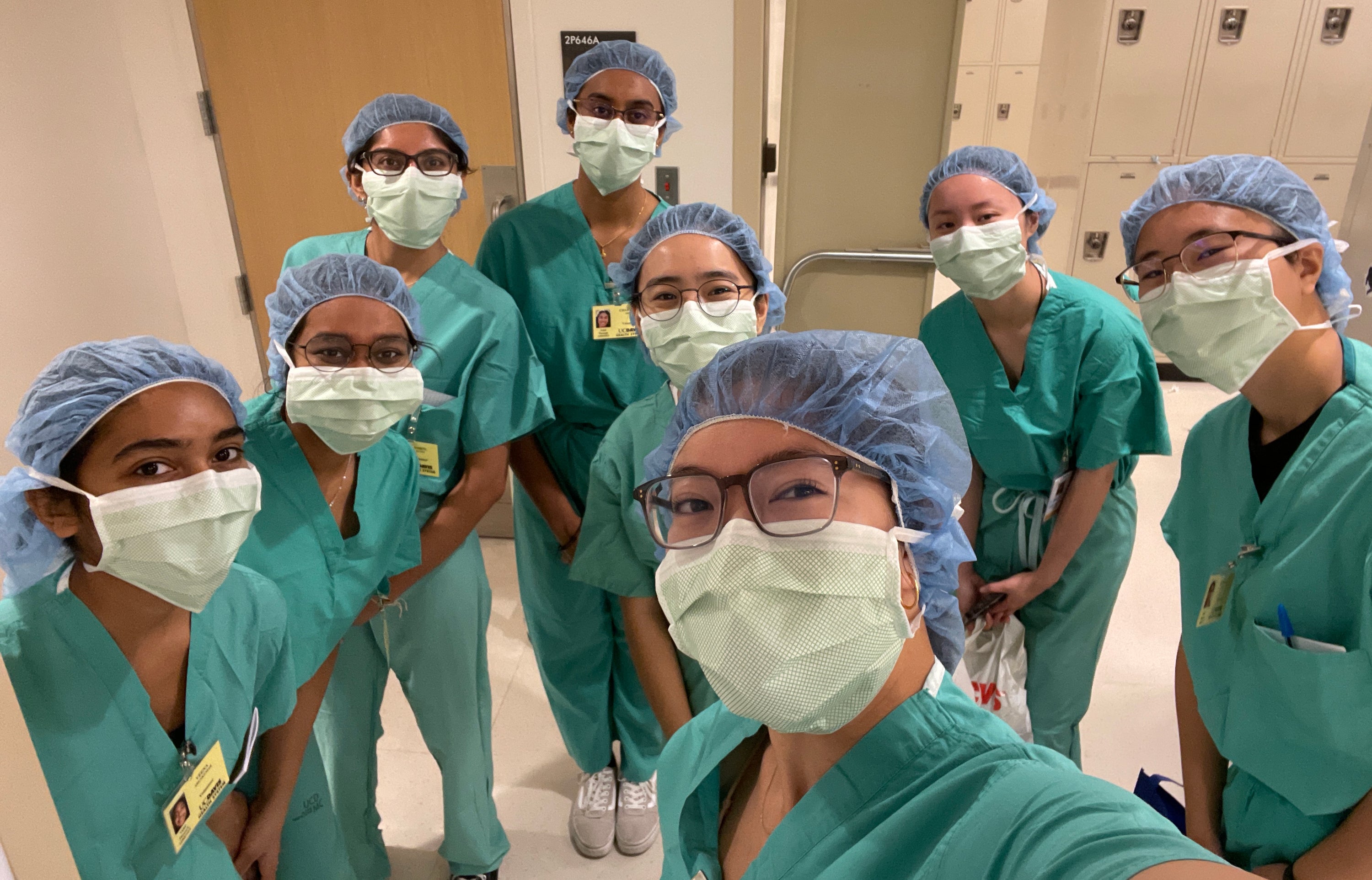
Because the program is based at UC Davis Health and the Aggie Square innovation district, students gain firsthand exposure to cutting-edge research, healthcare delivery and technology development. In the biomedical engineering experience, for example, students observe surgeries and clinical care to see how medical devices are used in action. They then apply what they’ve learned to design new medical technology solutions that address real health care needs.
For Tiffany Chan (biomedical engineering, ’25), who participated in the biomedical engineering experience, seeing technology used in real surgeries made the impact of the work clear.
“It was incredibly motivating,” Chan said. “Being able to see the devices that biomedical engineers like me have made, watching them being used to save lives and seeing what it all leads to — that was so inspiring.”
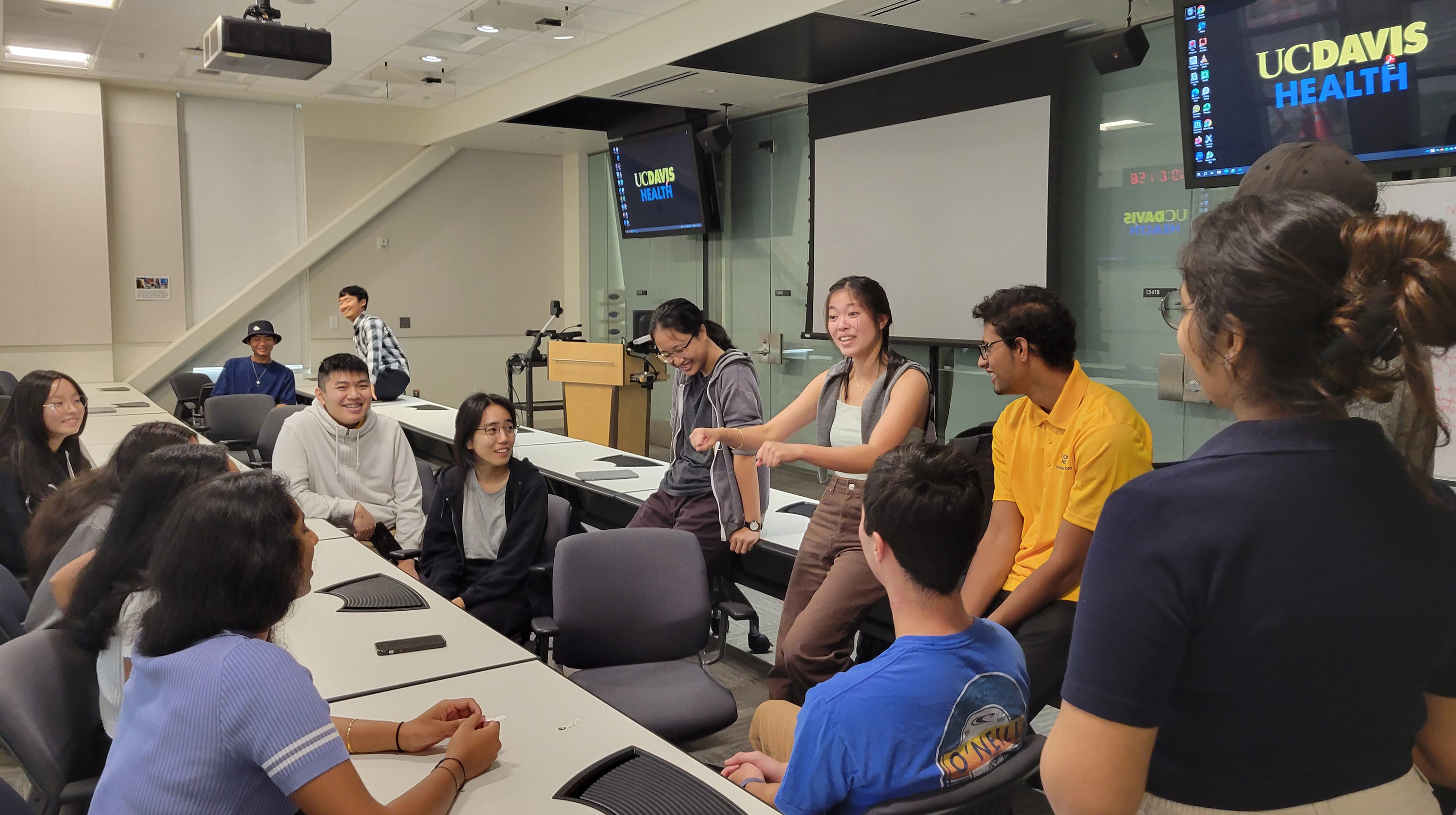
The program also helps students build professional networks and clarify career paths. Working closely with faculty and peers in small classes gives students access to mentors they might not find in large lecture courses, while internships expose them to potential employers and fields they may want to pursue after graduation.
“I think Quarter at Aggie Square is going to be one of the coolest experiences of my life, no exaggeration,” reflected Chan, who is now working on her master’s in biomedical engineering at UC Davis. “It set the stage for me in terms of understanding the context of what I’m working toward in my career, where I want to go, and what I want to develop.”
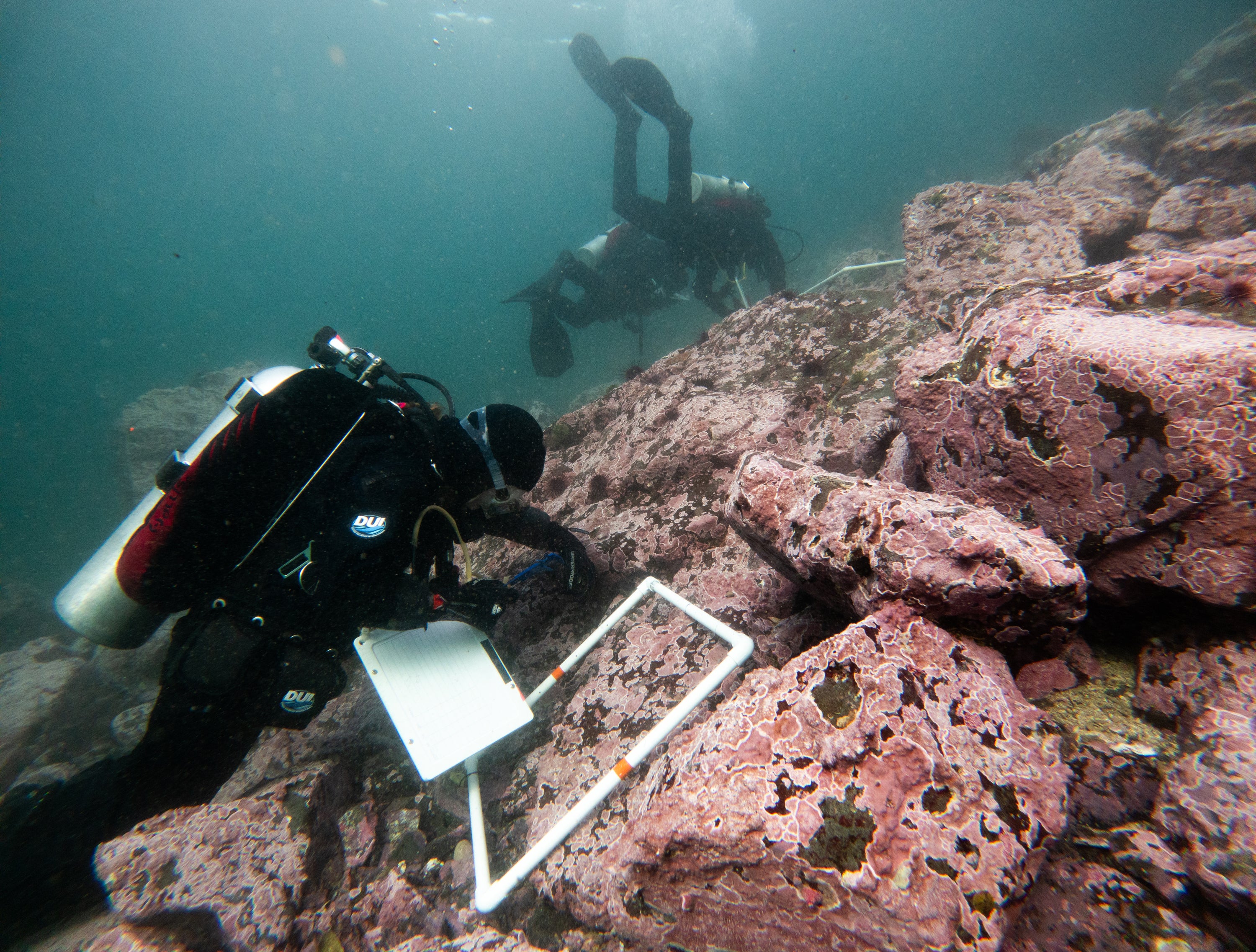
Degree-Defining Experiences: Transformative learning experiences that lead to real-world opportunities

“A degree-defining experience is something that shifts your focus or helps you align yourself better toward a future career,” said Zimin Cohen, who participated in the Treehouse Undergraduate Bioinformatics Immersion program in childhood cancer research at UC Santa Cruz.
At UC Santa Cruz, Physical and Biological Sciences Dean Bryan Gaensler envisions a campus where a signature, hands-on learning experience is part of every undergraduate degree.
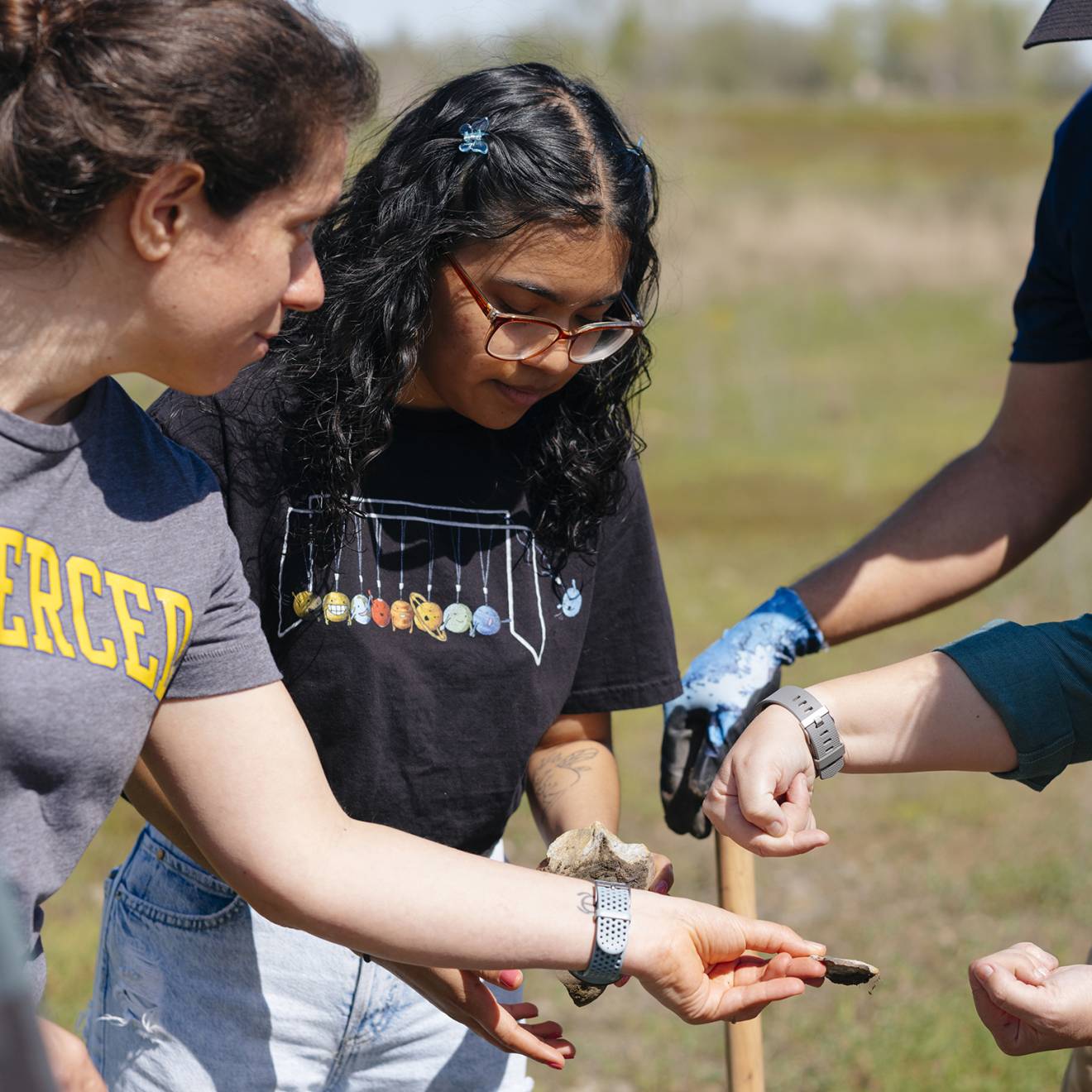
Piloted in the 2024–25 school year, the Degree-Defining Experiences program he developed connects students with transformative learning opportunities, including field courses, hands-on labs, mentorships, and research internships that apply academic learning beyond the classroom. The experiences help students dive deeper into their fields, explore academic and career pathways, and build workforce-ready skills.
If graduate school is the next step in a student’s career trajectory, the program helps them build the resume they need to get in. It also gives students a chance to test out professional fields before graduating, allowing them to pursue deeper opportunities sooner or pivot if it’s not the right fit.
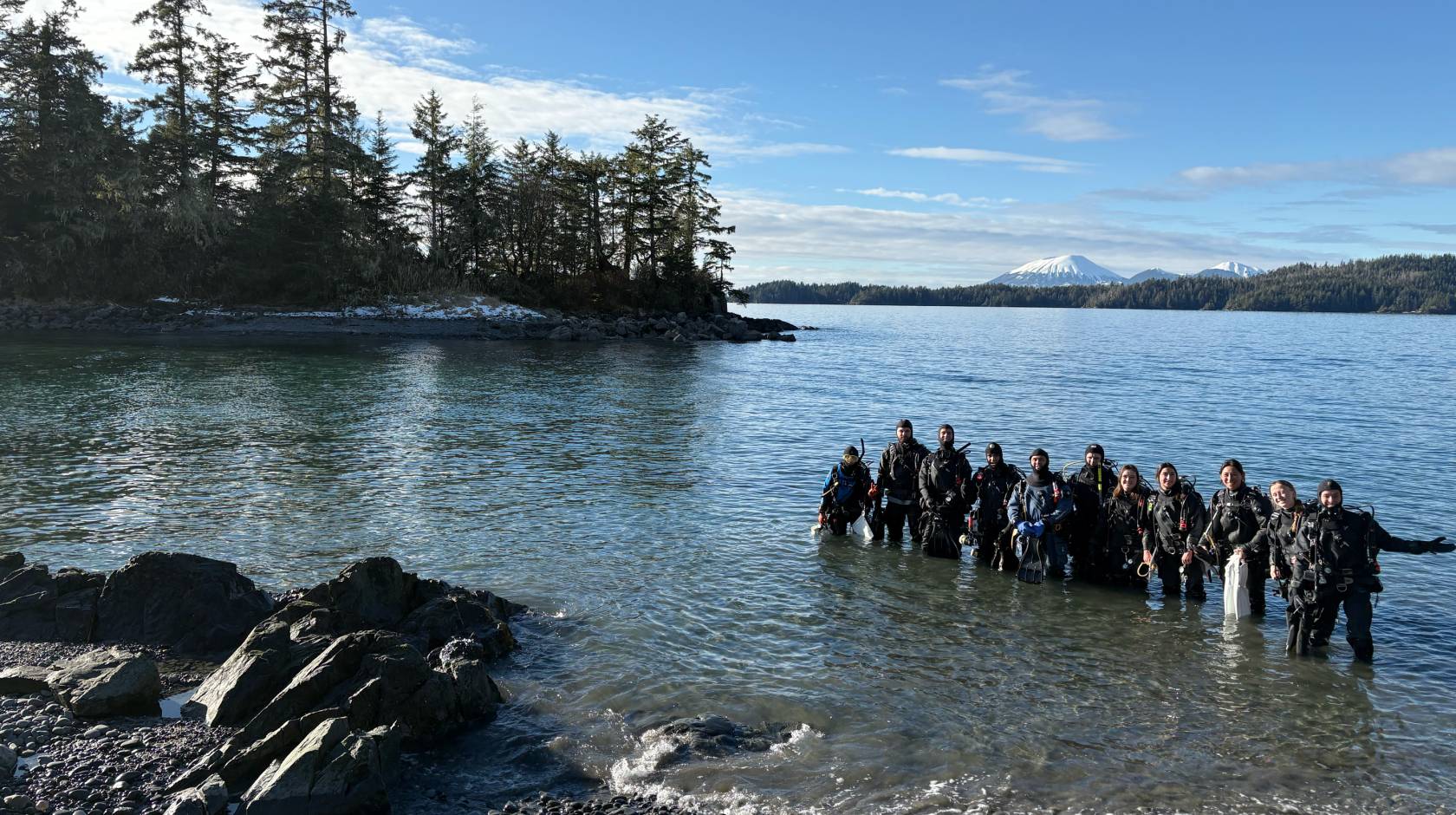
At the introductory level for first-year students or new transfers, experiences might include trips to the Lick Observatory or participation in the scientific SCUBA program. More advanced students take on larger, research-centered projects.
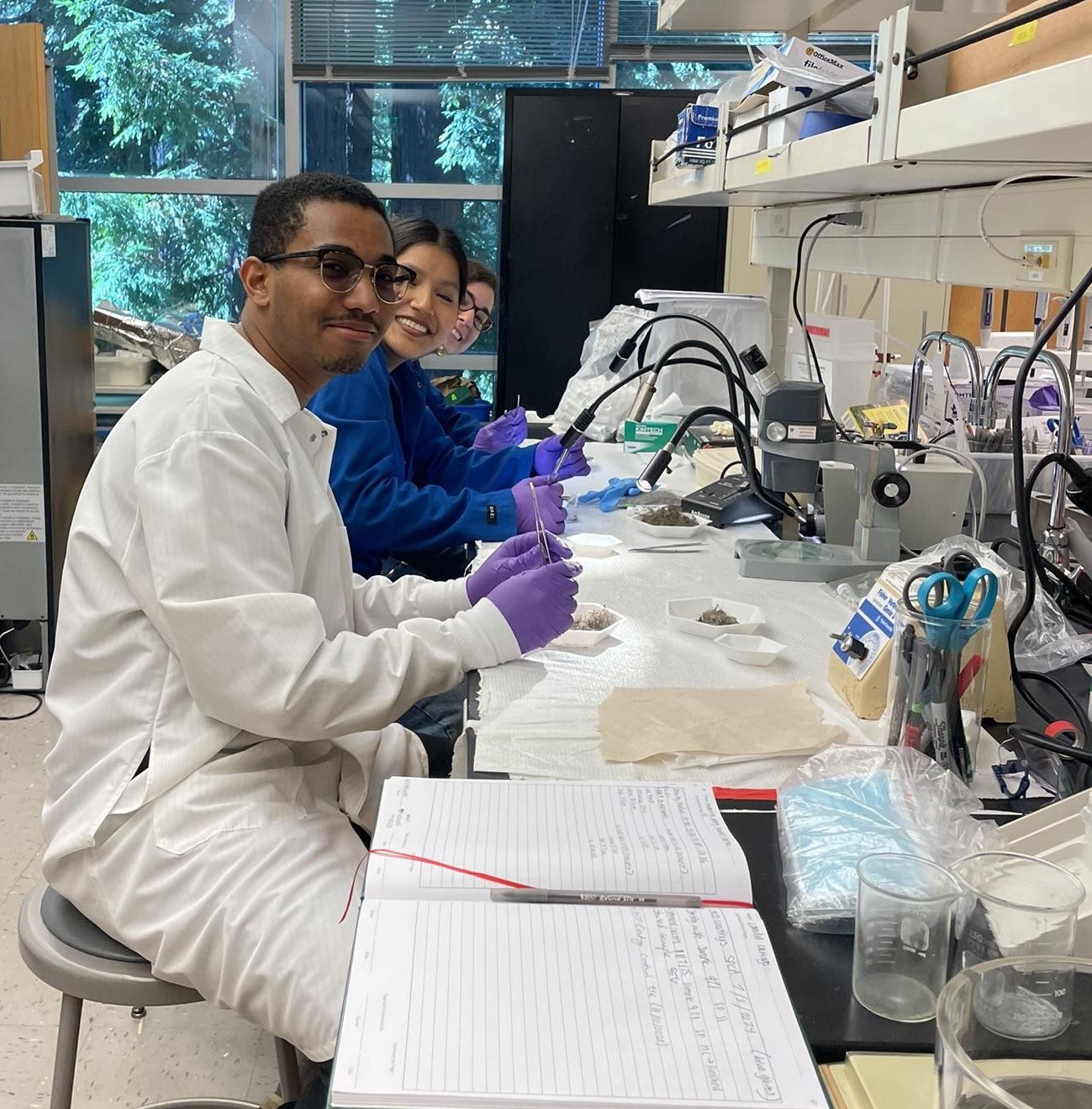
Degree-Defining Experiences students in the Predatory Bird Research Immersion and Conservation Toxicology program at UC Santa Cruz
For example, students in the Marine Ecology Field Quarter in Sitka, Alaska, designed and carried out their own field research projects, produced podcasts, participated in ecological monitoring, and conducted educational outreach with local schools. Closer to home, student interns with the Treehouse Childhood Cancer Initiative contribute to DNA research while building technical skills and support networks in bioinformatics and computational biology.
Last year, the program hosted students from 26 majors, spanning arts, humanities, physical and biological sciences, social sciences, and engineering. This year, even more students have signed up.
Bella Shamoon, (ecology and evolutionary biology, ’25), who participated in the Sitka marine ecology program last year, reflected on what makes a degree defining experience: “It’s something you carry with you … something that makes your entire time at an institution feel worthwhile.”
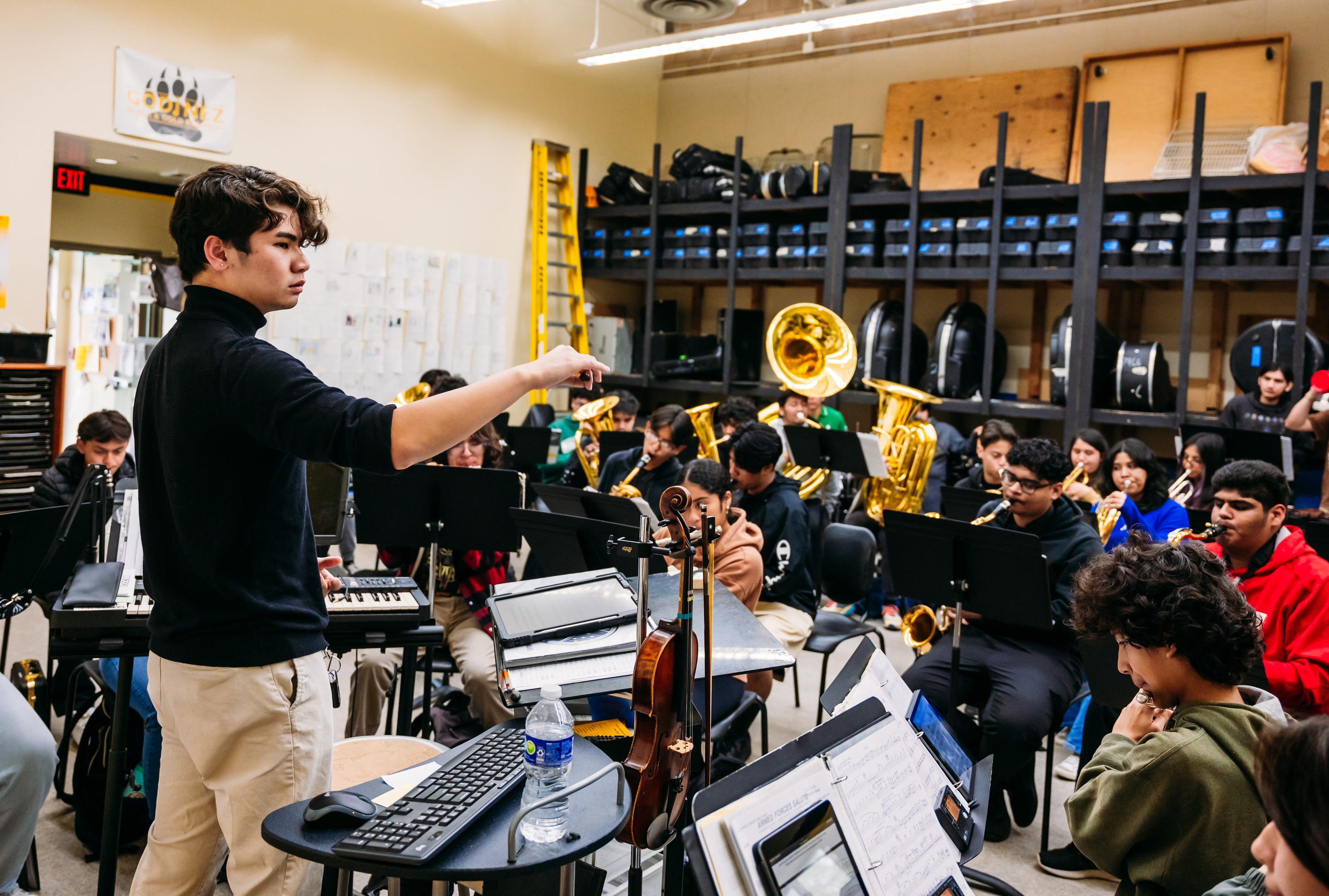
Arts Launch & Creative Connections: Opening doors for careers in the creative sector
At UC Irvine, yearlong paid internship programs support arts students in developing job skills and exploring career pathways in the creative sector. Housed in the Claire Trevor School of the Arts, these professional experiences in the local community run parallel to students’ artistic training in campus studios, theaters and concert halls.
In the Creative Connections program, students receive training in pedagogy and classroom management for arts education before working alongside experienced educators in area schools, teaching visual art, dance, drama and music. It’s a win-win. Over just the past 5 years, the program has served nearly 10,000 Orange County students at 41 schools. In turn, the UC Irvine students gain valuable hands-on work experience and build skills they can use immediately.
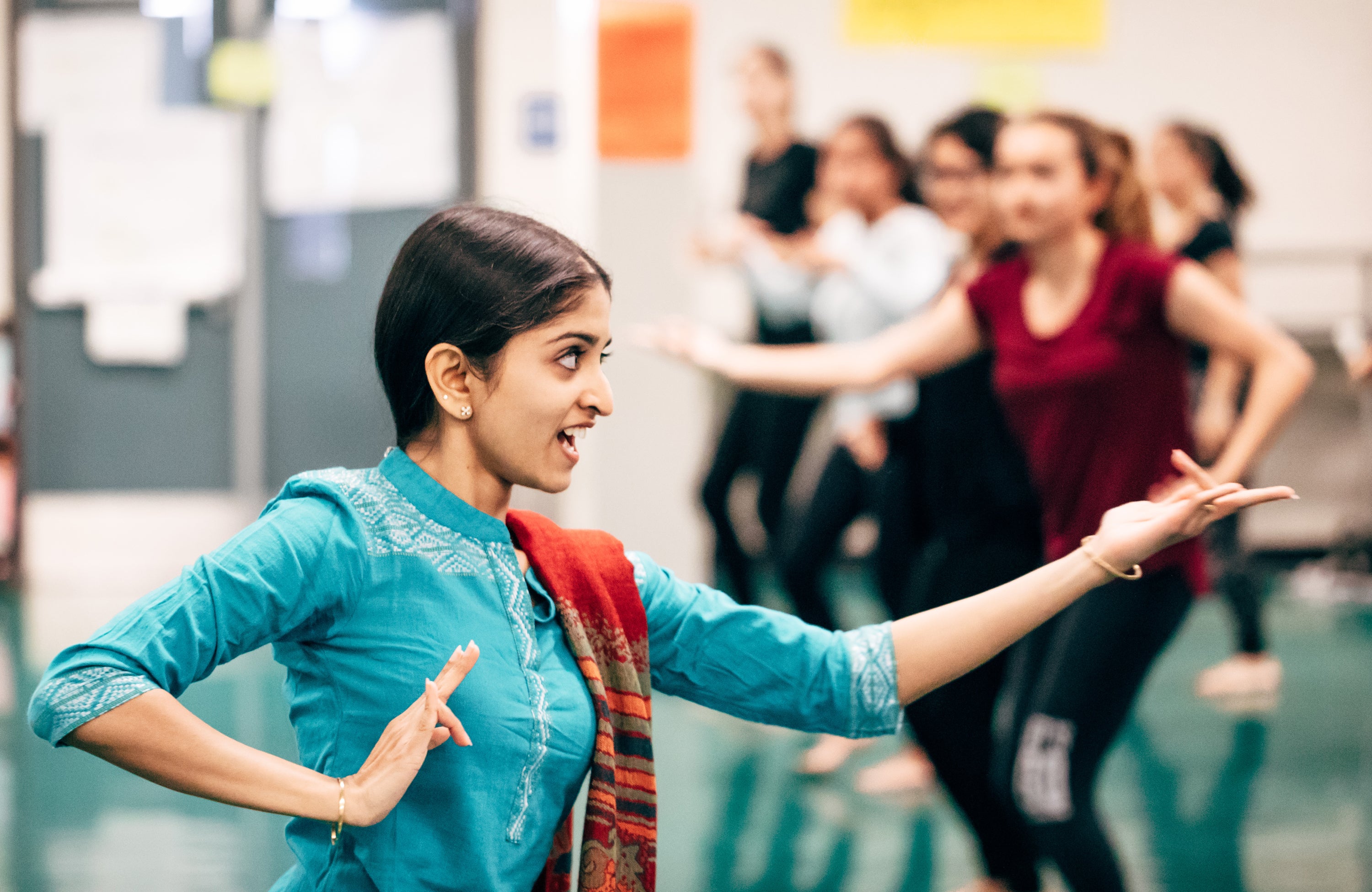
“It’s so helpful for me not only as an artist, but as someone who’s about to go out into the world and look for a job,” said Mia Gabbey, a dance and education double major teaching at Irvine High School through Creative Connections.
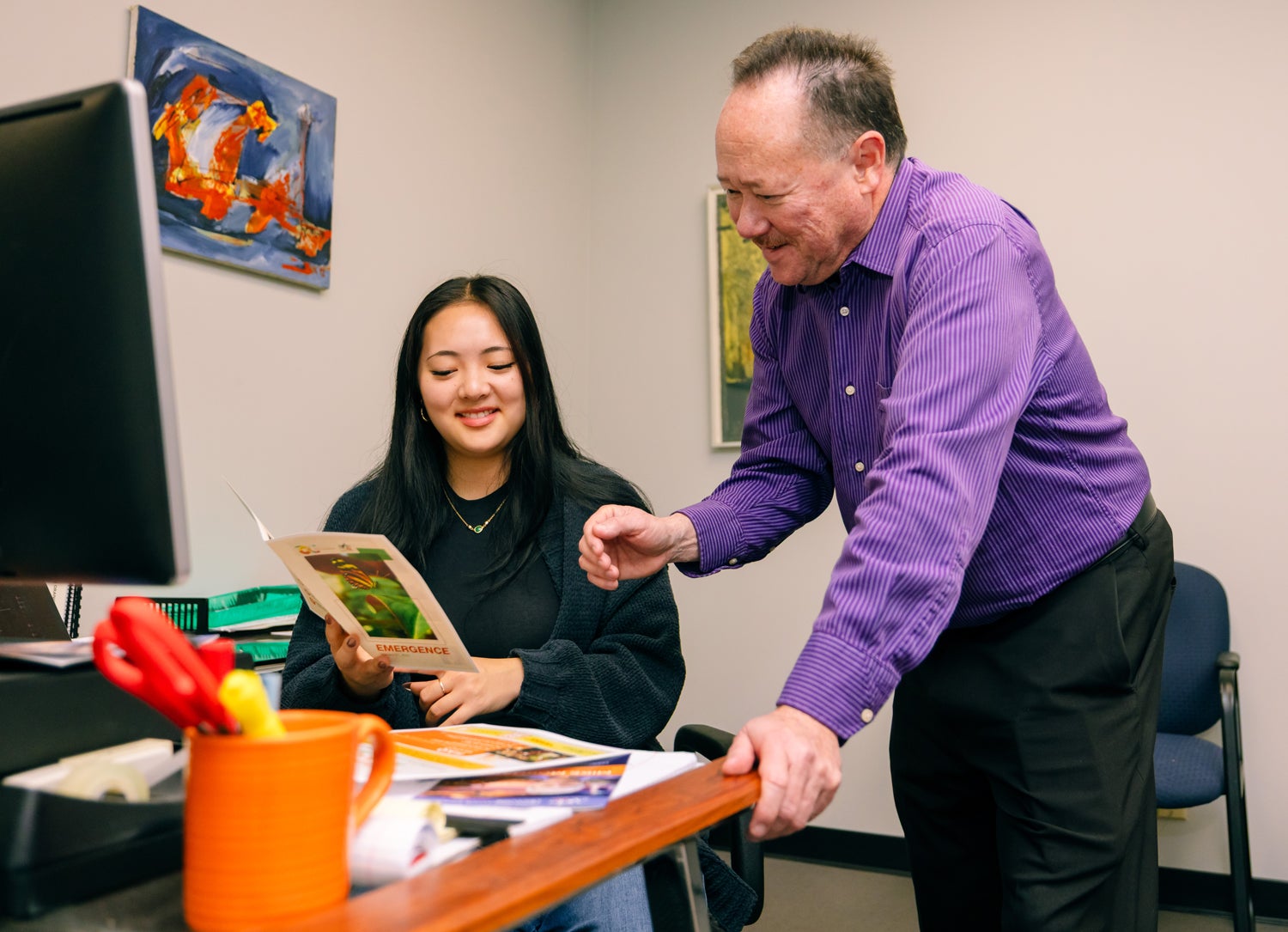
UC Irvine student and Arts Launch participant Joy Xu works with Patrick Brien at Arts Orange County. The internship program provides paid, yearlong arts management internships for arts majors. Photo: Will Tee Yang, UC Irvine.
A second, newer program, Arts Launch, offers similar reciprocal benefits for campus and community. Undergraduates are placed in paid arts management internships with small- to mid-sized arts organizations that often can’t otherwise afford to pay interns, like Philharmonic Society of Orange County and the Muckenthaler Cultural Center. Working with mentors in yearlong placements, students learn how to fund, market, distribute and build audiences for creative work.
“Arts students can come in with a very narrowly defined vision of what success looks like for working artists. But the creative sector is vast — it’s a multibillion-dollar industry,” says program director Megan Belmonte. “Some of them will go on to be practicing artists, while others may shift toward the business side of running an arts organization. We want to give them a taste of that while they’re still in school, so that when those pivot points happen in their lives, they already have some training and experience to support them.”