What’s the deal with the latest stomach illness making waves across much of the United States?
Cyclosporiasis isn’t new, but it doesn’t usually make the news.
It’s an intestinal illness caused by the microscopic parasite Cyclospora cayetanensis, also known as cyclospora. In the past, outbreaks have been linked back to fresh produce. Cases have been reported as of this writing in 31 states, with 86 hospitalizations and no deaths. But it isn’t pleasant.
UC Davis Health asked Dr. Dean Blumberg, chief of pediatric infectious diseases at UC Davis Children’s Hospital, to explain what you need to know about cyclosporiasis. Watch his answers below or scroll down to find out what he said.
What is cyclosporiasis?
DR. BLUMBERG: Cyclosporiasis is caused by the parasite cyclospora and it’s mainly known for causing gastrointestinal illness, which primarily is diarrhea, sometimes explosive. It’s often associated with nausea, bloating and a lot of gas.
How is it different from other gastrointestinal illnesses?
It usually doesn’t result in a lot of vomiting, which makes it different from many other gastrointestinal illnesses.
How is cyclosporiasis transmitted?
It’s primarily transmitted by food or water contaminated by human feces, which means that people who have cyclosporiasis, if they have inadequate hygiene or bathroom facilities, may contaminate water or the environment that then ends up contaminating food. People then are infected by eating the food that’s contaminated. It’s not generally transmitted person-to-person. That’s much more rare. So it’s really via contaminated food.
Which foods are associated with cyclosporiasis?
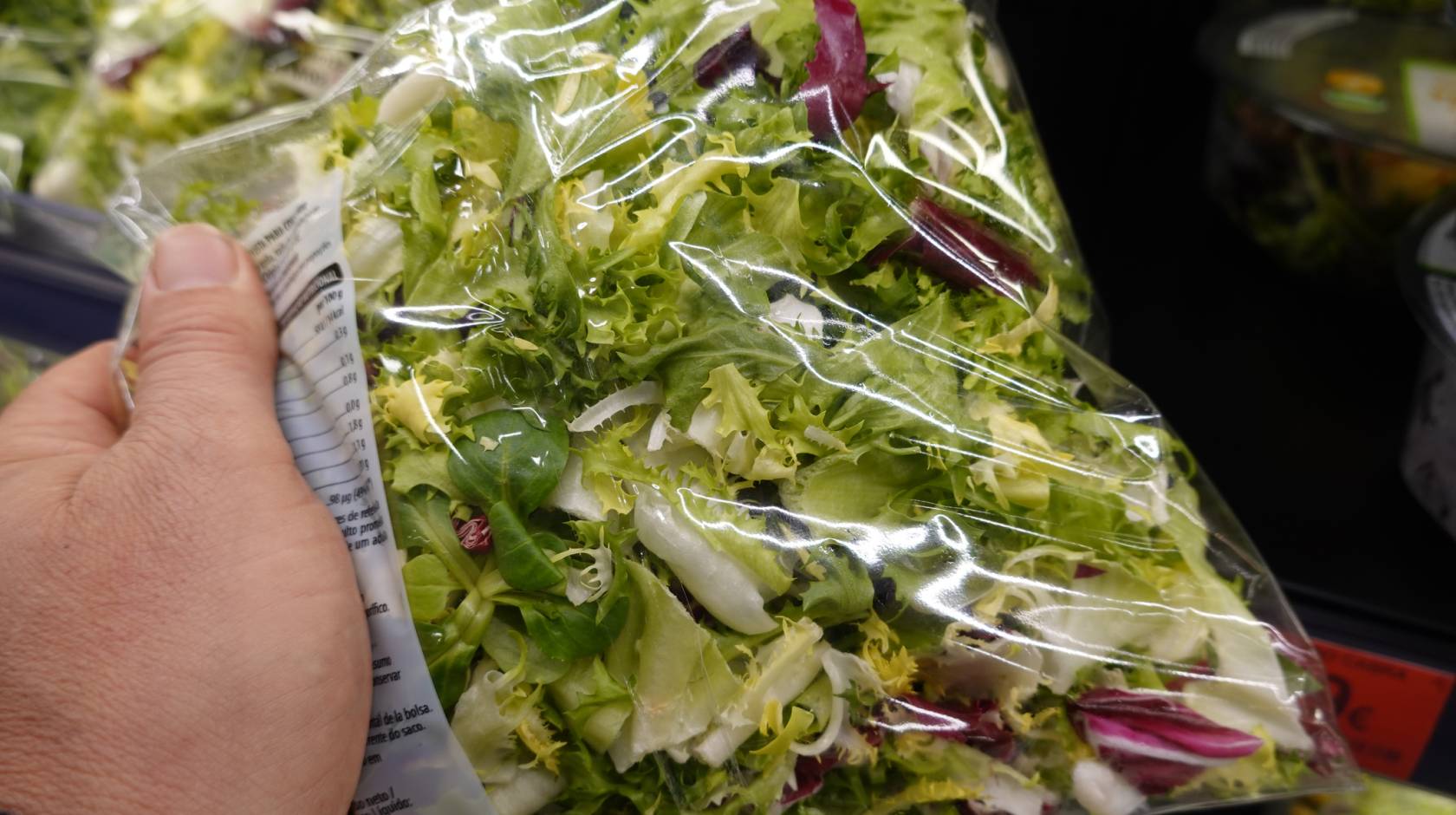
The main foods that have been implicated are herbs, such as basil and cilantro, salad greens, especially greens that have been bagged, which may become contaminated during processing.
Raspberries, because they are very difficult to wash. They have very small spaces that are hard for the water to get into.
Snow peas are another food that’s been implicated in previous outbreaks.
What are the warning signs of cyclosporiasis?
So if you do have this explosive diarrhea that’s not associated with vomiting, that’s a clue that it might be cyclosporiasis because many other causes of gastrointestinal illness will be associated with vomiting, including norovirus and some of them also are associated with fever. Cyclosporiasis usually doesn’t cause fever.
How can cyclosporiasis be diagnosed?
It can be diagnosed with a simple stool test. So we do a gastrointestinal panel, a PCR assay, and it’s included on that panel, and then there is a treatment to shorten the illness.
How can cyclosporiasis be treated?
Giving an antibiotic, trimethoprim/sulfamethoxazole, can shorten the illness.
How can cyclosporiasis be prevented?
It’s very difficult to prevent because the foods that are implicated, you really need to wash them and even if you wash them thoroughly, there may be some contamination still on them.
For example, for salad greens, it’s best to have unprocessed salad greens. A whole head of lettuce is less likely to be contaminated than bagged lettuce.
For other produce, it’s best to wash the items completely.
Is there anything else I can do to prevent contracting cyclosporiasis from produce?
Using any chemicals isn’t very useful. Cooking is very useful in terms of reducing the load, but of course, for some things, they’re better eaten fresh.