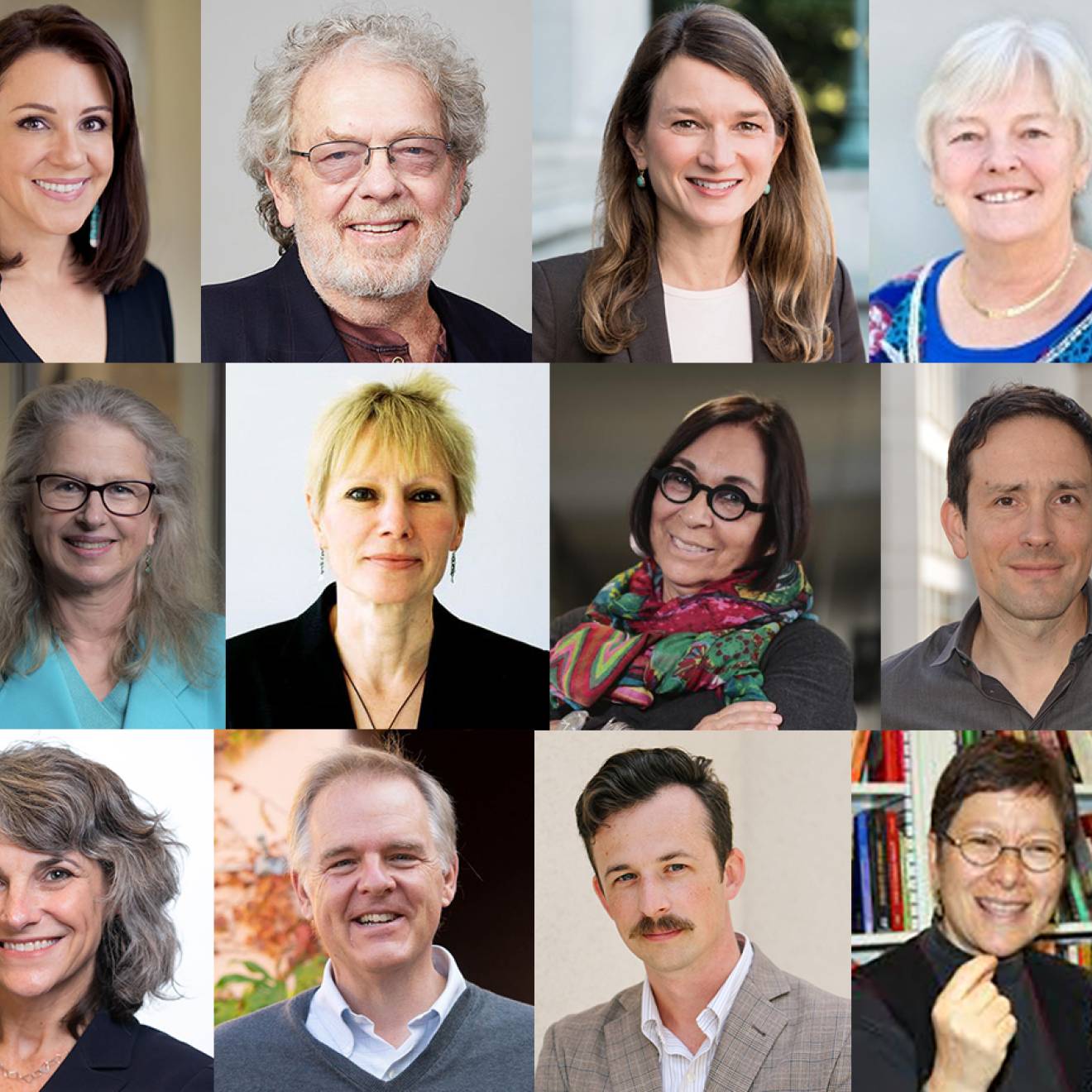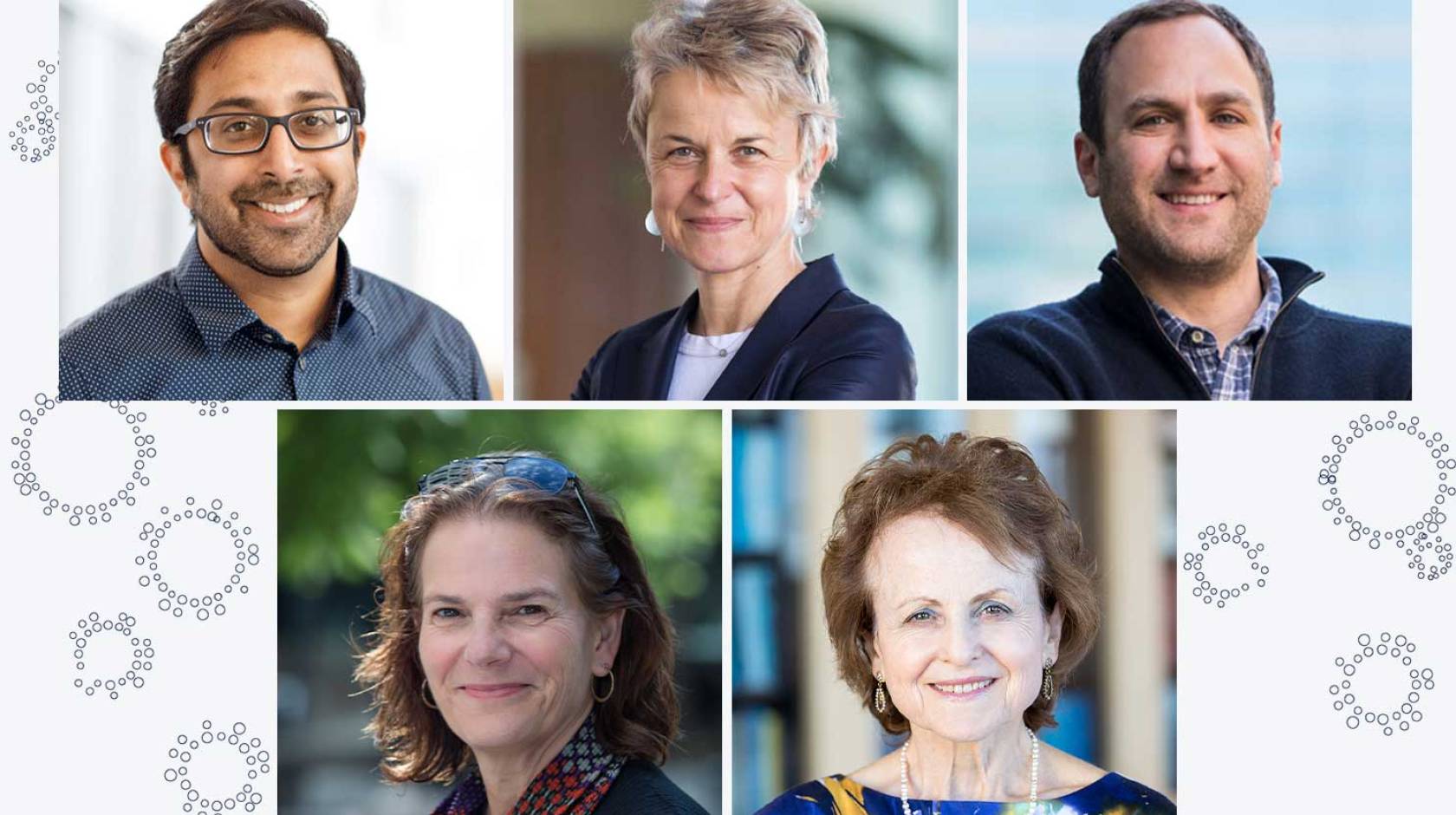
Seven University of California leaders in health have been elected to the National Academy of Medicine, one of the highest honors across health and science, while two UC faculty received prestigious medals for their extraordinary contributions.
Why it matters:
The National Academy of Medicine recognizes a commitment to public service and outstanding contributions to medical science, healthcare and public health by electing new members each year.
It is one of three academies — the National Academy of Sciences and National Academy of Engineering are the others — that provide independent, objective analysis and advice to the nation on critical issues in science, medicine, health and public policy.
293 UC faculty members in total have been elected to the National Academy of Medicine since its establishment in 1970.
The new members:
Susan L. Ettner, Ph.D., UCLA
Distinguished professor, Department of Medicine, David Geffen School of Medicine; distinguished professor, Department of Health Policy and Management, Fielding School of Public Health; and dean emerita of the Division of Graduate Education.
For her foundational research on the link between socioeconomic status and health and for pioneering research in the field of behavioral health economics.
Cynthia Gyamfi-Bannerman, M.D., M.S., UC San Diego
Samuel S.C. Yen Endowed Chair, professor and department chair of Obstetrics, Gynecology, and Reproductive Sciences.
For global leadership in maternal-fetal medicine, pioneering landmark clinical trials that expanded the use of antenatal corticosteroids to improve respiratory outcomes for infants born late preterm, and changing obstetric practice internationally.
Donald Barry Kohn, M.D., M.S., UCLA
Distinguished professor, Departments of Microbiology, Immunology, and Molecular Genetics, and Pediatrics at the David Geffen School of Medicine.
For developing techniques to treat genetic blood diseases by gene correcting and transplanting a patient’s own hematopoietic stem cells.
Alexander Marson, M.D., Ph.D., UC San Francisco
Senior investigator, Gladstone Institutes; professor of medicine at UCSF; and director, Gladstone-UCSF Institute of Genomic Immunology, San Francisco.
For revolutionizing genome engineering in human lymphocytes, and pioneering CRISPR-based technologies for targeted non-viral genome editing, genome-wide screens, and therapeutic reprogramming.
Melanie Ott, M.D., Ph.D., UC San Francisco
Director and senior investigator at the Gladstone Infectious Disease Institute; and Nick and Sue Hellmann Distinguished Professor at UCSF.
For seminal contributions to curing HIV and curbing SARS-CoV-2 by mapping the epigenetics of latent HIV and pioneering CRISPR-based and mobile phone diagnostics, and translating fundamental virology into innovative prevention and treatment strategies.
Dennis J. Slamon, M.D., Ph.D.
Professor of medicine and chief of Division of Hematology/Oncology at the David Geffen School of Medicine at UCLA; and director, Clinical/Translational Research, Jonsson Comprehensive Cancer Center, Los Angeles.
For basic and clinical research that led to the development of the molecularly targeted breast cancer drugs trastuzumab (Herceptin) and palbociclib (Ibrance), both of which have changed how we treat patients with breast cancer and have led to saving thousands of lives.
Vikaas Singh Sohal, M.D., Ph.D., UC San Francisco
Professor, Psychiatry and Behavioral Sciences.
For transforming our understanding of how rhythmic patterns of brain activity track and influence mood and anxiety in real time and can be targeted to improve cognition in conditions such as schizophrenia.
Medals for pioneering research and extraordinary impact
Two UC San Francisco were honored by the academy as well.
Kristine Yaffe, M.D., the Scola Endowed Chair, Epstein Endowed Chair, and vice chair and distinguished professor of Psychiatry, Neurology, and Epidemiology, received the 2026 Rhoda and Bernard Sarnat International Prize in Mental Health for her pioneering research on cognitive aging and dementia prevention.
Yaffe’s research has helped redefine dementia as a preventable condition. She identified links between cognitive decline and modifiable factors including physical activity, sleep disorders, PTSD, cardiovascular health, and metabolic syndrome. She also led the first U.S. randomized trial testing whether a tailored intervention targeting these risk factors together could protect brain health and delay cognitive decline.
Claire D. Brindis, DrPH, an expert on adolescent, young adult, and women’s health, received the Adam Yarmolinsky Medal, which recognizes a NAM member whose work extends beyond health and medicine.
A Distinguished Professor and emerita director of the Philip R. Lee Institute for Health Policy Studies, Brindis has translated public health research into policy since joining UCSF in 1983. Her research and service on NAM committees have helped shape state and federal initiatives, including Affordable Care Act preventive health care provisions requiring private insurers to cover contraceptive access, breast and cervical cancer screening, and breast pumps for breastfeeding women without requiring co-payments.
This article contains contributions from Robin Marks at UCSF: National Academy of Medicine Honors 5 Distinguished UCSF Faculty