2026 may well go down as the year we turned the tide on pancreatic cancer.
In August, the FDA approved the first medicine shown to substantially extend life expectancy for people with the most common form of pancreatic cancer, a disease that currently claims about 50,000 lives in America each year. The drug, daraxonrasib, arose from research at UC San Francisco, which later hosted clinical trials alongside UCLA and UC San Diego. When its developers presented proof that the drug works earlier this year, a room full of cancer doctors gave them a standing ovation.
Daraxonrasib is one of the UC-connected innovations on TIME magazine’s Best Inventions of 2026. Some of these inventions save lives, some save time, and some just bring people joy. They all exemplify the spirit of progress that powers UC, the university that produces four new inventions every day.
Revolution Medicines’ daraxonrasib: A landmark drug for pancreatic cancer
Daraxonrasib blocks one of the drivers of pancreatic cancer — mutations in KRAS, a gene that helps regulate cell growth. UC San Francisco professor Kevan Shokat discovered a pocket on K-Ras, the protein that the KRAS gene encodes for. Then his lab developed molecules that could fit into the pocket and bind to the protein, weakening and killing the cancerous cells. For Mark Goldsmith, the UC San Francisco-trained doctor who launched a company to develop a drug based on Shokat’s discoveries, the breakthrough came when the drug shrank pancreatic tumors in an initial trial. “This is the moment,” he recalls thinking. “It’s very early. It’s a very small number of patients, but this is it.”
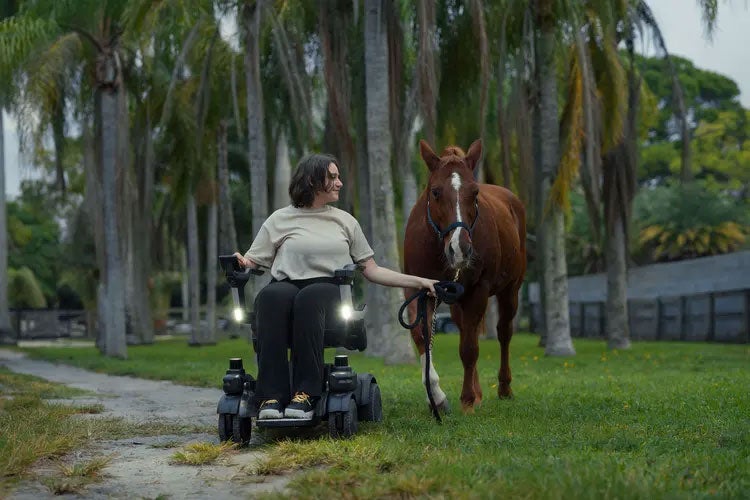
Strutt ev¹: A smarter power wheelchair
The Strutt ev1 resembles a power wheelchair but operates like an autonomous vehicle, with 360-degree sensors to avoid collisions, voice-controlled navigation, and active front-wheel steering for stable performance indoors and out. “Will the doorway be too narrow? Will the pavement change? Will the elevator be crowded? If the ev¹ can quietly carry some of that mental load, [mobility] can become less stressful and more joyful,” says Strutt founder and UC Berkeley physics Ph.D. Tony Hong.
AlgenBrain: Turning genetic insights into treatments
UC Berkeley professor Jennifer Doudna’s pioneering work with gene-editing technology, for which she won the 2020 Nobel Prize in chemistry, continues to spawn new inventions. Algen Biotechnologies spun off from Doudna’s lab in 2018 and created AlgenBrain, a genomics platform that identifies the genetic drivers of disease progression and develops new therapies. “We're building a platform that turns human disease biology into actionable, programmable, therapeutic strategy,” says co-founder and UCLA alum Christine Du.
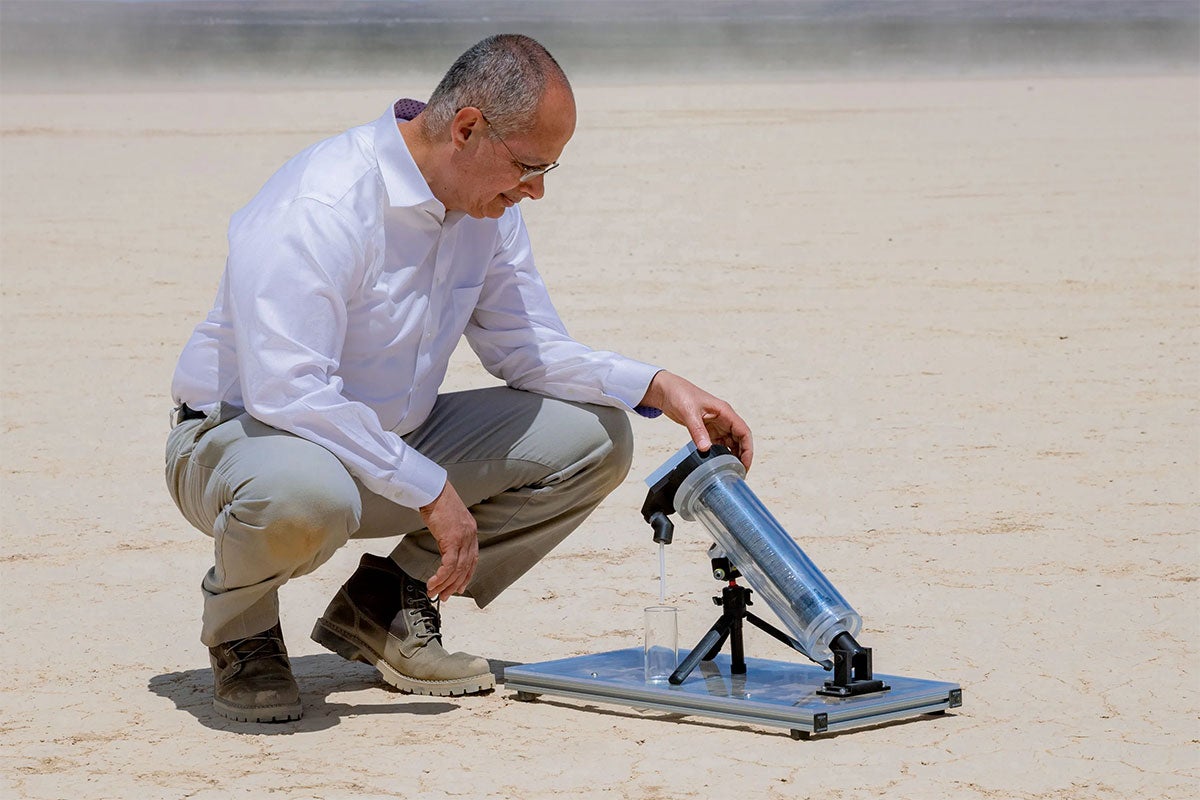
Atoco Reticular Materials: Pulling clean water from thin air
Last year, then-UC Berkeley chemist Omar Yaghi shared a Nobel Prize for developing Metal-Organic Frameworks, porous substances that can capture climate-warming carbon dioxide and harvest ambient, drinkable water from the air, no power needed. Yaghi founded a company called Atoco to commercialize academic research he did as a professor at UC Berkeley. The company installed a prototype water harvester outside of its California office this spring.
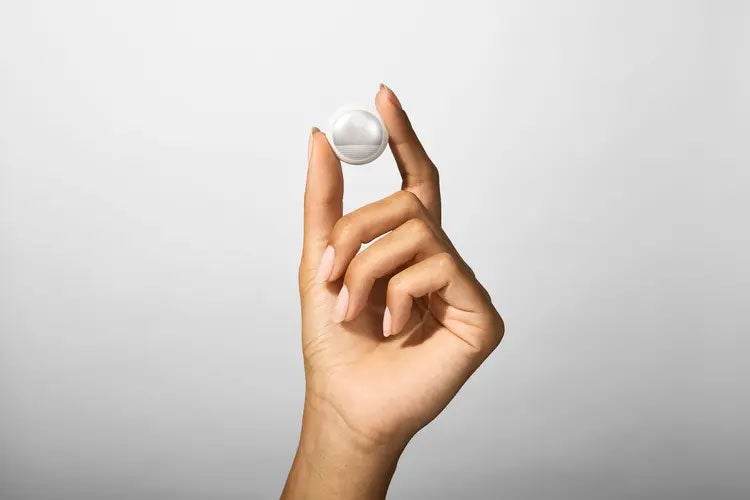
Continuous glucose monitors make it easier to track blood sugar, but most still involve sticking yourself with a needle and reading results on your phone. Biolinq Shine is a wearable patch that uses tiny silicon-based microsensors, while a display on the patch provides real-time feedback without an app. Co-founder and UC San Diego Ph.D. Jared Tangney’s doctoral research launched the technology. The device, which also tracks sleep and activity, “can help people see what they can’t otherwise feel in the moment,” says Biolinq CEO and UC Irvine alum Rich Yang.
GoPro Mission 1 Pro ILS: the smallest 8k camera
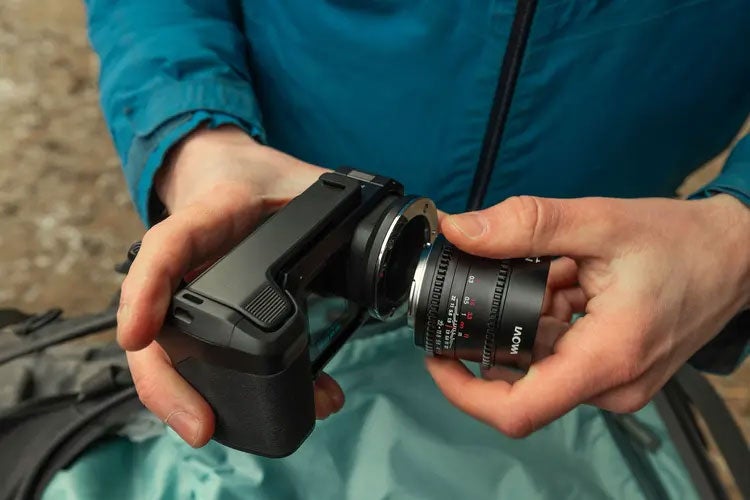
Designed with input solicited on the sets of “Game of Thrones” and “Twisters,” the GoPro Mission 1 PRO ILS is the smallest 8K cinema camera available. GoPro, founded by UC San Diego alum Nick Woodman, equips its new offering with a Micro Four Thirds mount, adding compatibility with lenses designed for many other cameras.
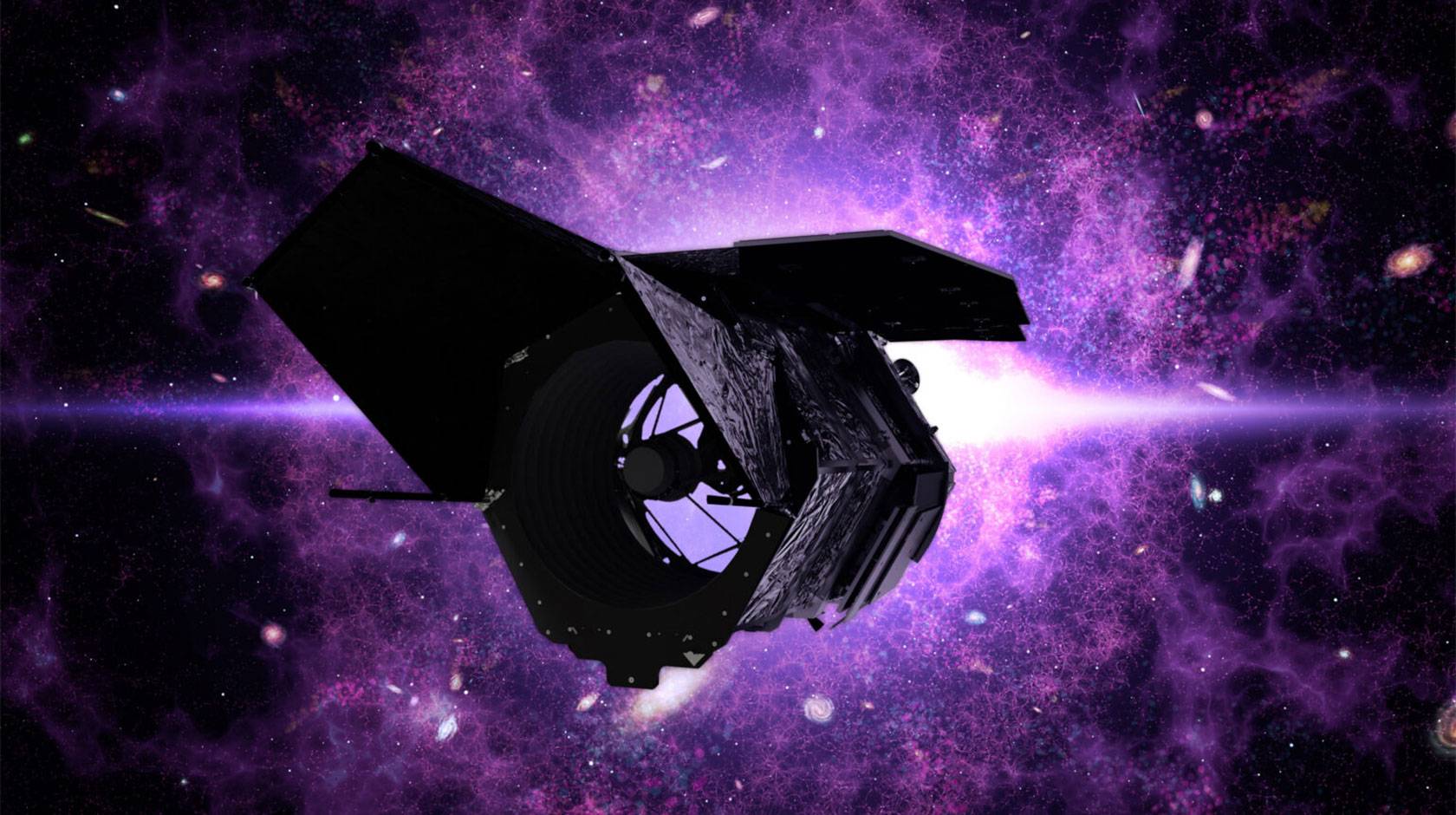
NASA Nancy Grace Roman Space Telescope: Capturing the cosmos
One of cosmology’s greatest mysteries is the nature of dark energy — the invisible force that keeps the universe expanding at an ever-increasing rate. On Aug. 30, NASA took a huge step toward solving it, with the launch of the Nancy Grace Roman Space Telescope. Roman, named after NASA’s first female executive, looks at a patch of sky much larger than the James Webb Space Telescope is able to and can peer more than 10 billion light-years away, collecting images of the early universe. UC Berkeley physicist and Nobel laureate Saul Perlmutter first proposed the telescope nearly 30 years ago, and UC Berkeley professor Jessica Lu leads a collaboration of over a thousand scientists parsing the data as it arrives.
Joby: An all-electric air taxi
Joby is a quiet, four-passenger electric aircraft that can point upward to take off and land, similar to a helicopter, and point forward to fly like a plane. Joby was invented by a team of engineers led by UC Davis alum JoeBen Bevirt, who also created the Gorillapod, the original flexible camera tripod. The company says its air taxis can make the trip from Santa Monica to Burbank in just 10 minutes — a trek that can easily take over an hour in traffic.

Luum: Automated eyelash extensions
A full set of eyelash extensions can take up to three hours to apply. Luum’s AI-powered Lash Robot cuts that time in half. Invented by mechanical engineer and UC Berkeley alum Nathan Harding, Luum is now available to customers in New York, California and Texas. Luum plans to expand to Chicago by year’s end, with broader rollouts through partnerships with Nordstrom and Ulta Beauty expected to bring the service nationwide in coming years.
Coco 2: A delivery robot built for cities
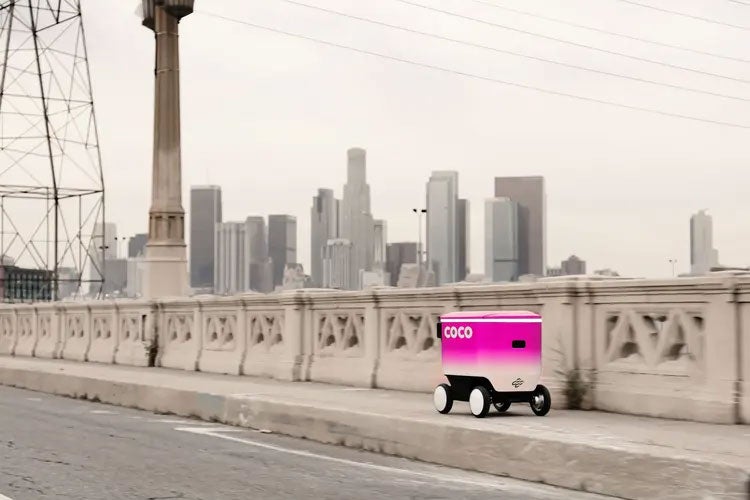
In February, Coco Robotics released the Coco 2 food delivery robot in Chicago, Miami, Los Angeles, and other cities, with upgrades for operating on roads and shoulders, in bike lanes, and in extreme weather conditions. It is compact, emissions-free, and requires no gas. “It’s like a cooler on wheels,” says cofounder and UCLA alum Zach Rash.
PRIMA: A vision-restoring retinal implant
Macular degeneration is the leading cause of vision loss in older people. Existing treatments can slow its progression but can’t restore vision loss. That could soon change with PRIMA, a system combining a tiny eye implant and specialized glasses. The glasses project light onto pixels in the implant, which converts those light patterns into an electrical current that stimulates the retina. Eighty percent of patients who received PRIMA had meaningful vision improvements. “These patients can read again, [and] see faces of their loved ones,” says UC San Francisco ophthalmologist Frank Brodie, who helped develop the technology and now serves as its parent company’s chief medical officer of ophthalmology.