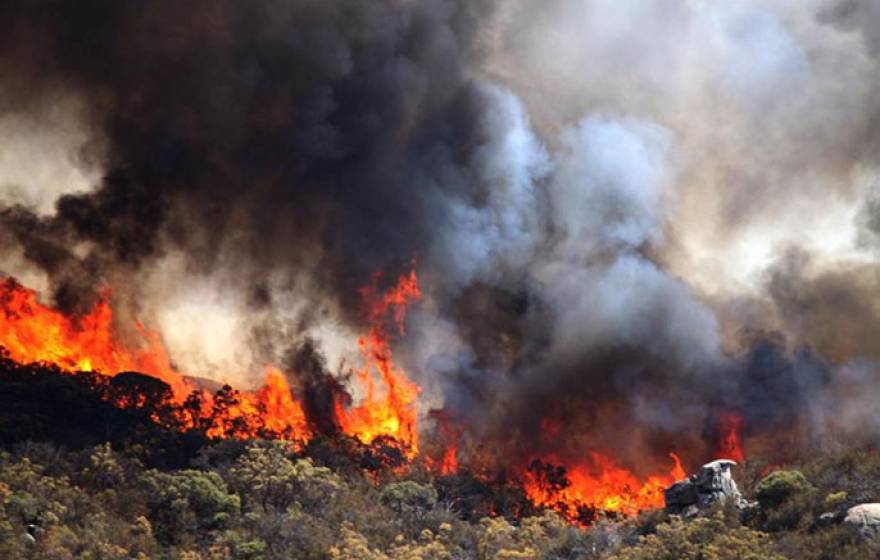
Fire ecologist spells out what could be ahead for the Southland in this fourth year of severe drought. (Image courtesy of Cal Fire)
UC Riverside |
Forecast for Southern California’s 2015 fire season
UC Office of the President |
UC tops list of universities granted U.S. patents
UC was granted 453 utility patents in 2014 for discoveries made by its researchers. As of June 2014, the university had 4,448 active U.S. patents in total.

Science Today |
One pill makes you compassionate
In a new study at UC Berkeley, researchers found people were more willing to distribute money equally when they were given tolcapone, an FDA-approved drug used to treat Parkinson’s disease.
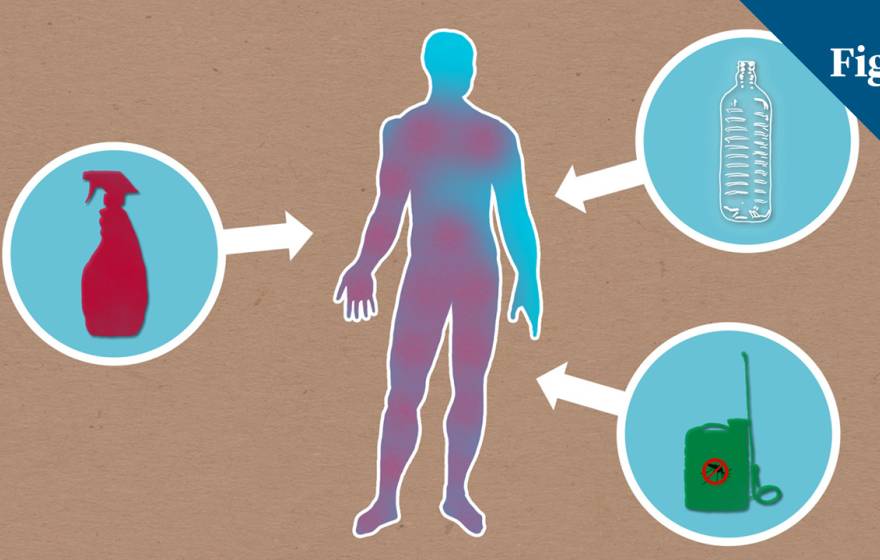
Fig. 1 by University of California |
How do our bodies fight off dangerous chemicals?
Cells are like night club bouncers, says UC San Diego's Amro Hamdoun: With every substance that a cell encounters, it has to decide which to eliminate and which to let in.
UC Irvine |
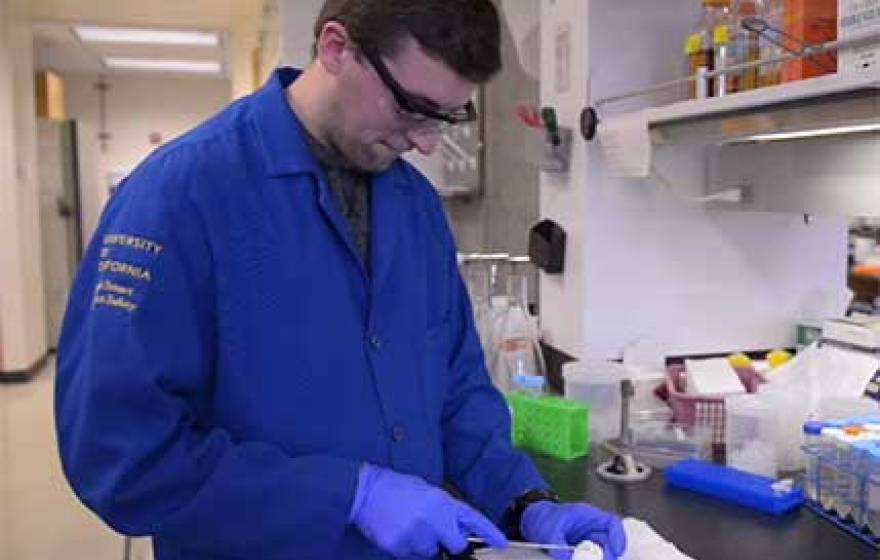
Why unboil an egg?
Gregory Weiss, UC Irvine chemistry professor, talks about 'unboiling' egg white proteins and returning them to their original state. The ability to quickly restore molecular proteins could slash biotechnology costs and dramatically reduce the costs for cancer treatments.
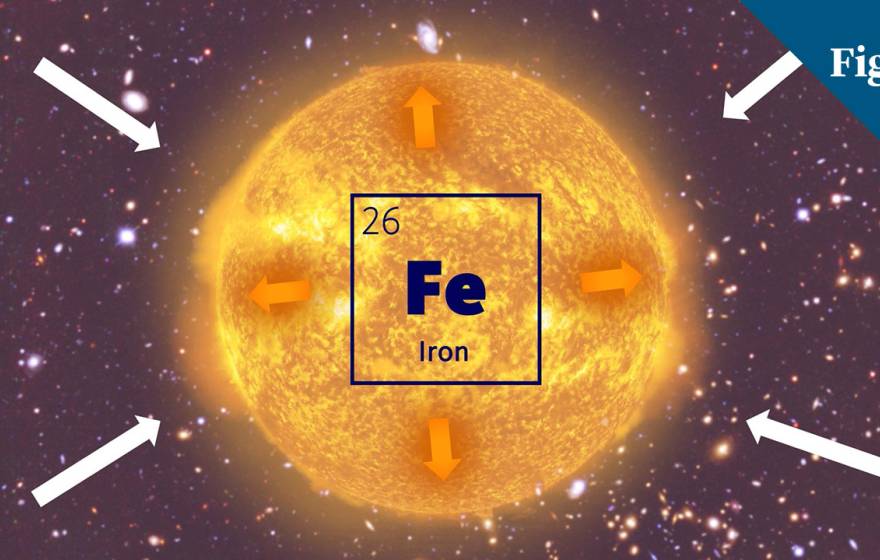
Fig. 1 by University of California |
The life of a star explained in 1 minute
The iron in our blood, the silicon in your computer, the oxygen that we breath — all of those elements were synthesized inside a star. UC Santa Cruz astrophysicist Enrico Ramirez-Ruiz walks us through the process from a star's beginning to its death.
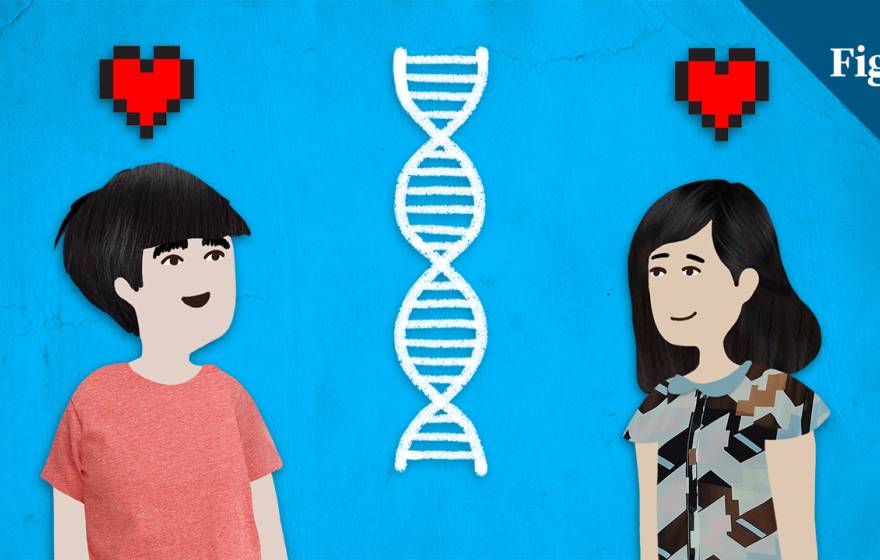
Fig. 1 by University of California |
Is the secret to a happy marriage in your DNA?
Can something as simple and small as a gene impact something as complex as marriage? UC Berkeley researchers have found a link between relationship fulfillment and a gene variant, or allele, of the serotonin transporter gene.
Calit2ube/UC San Diego |
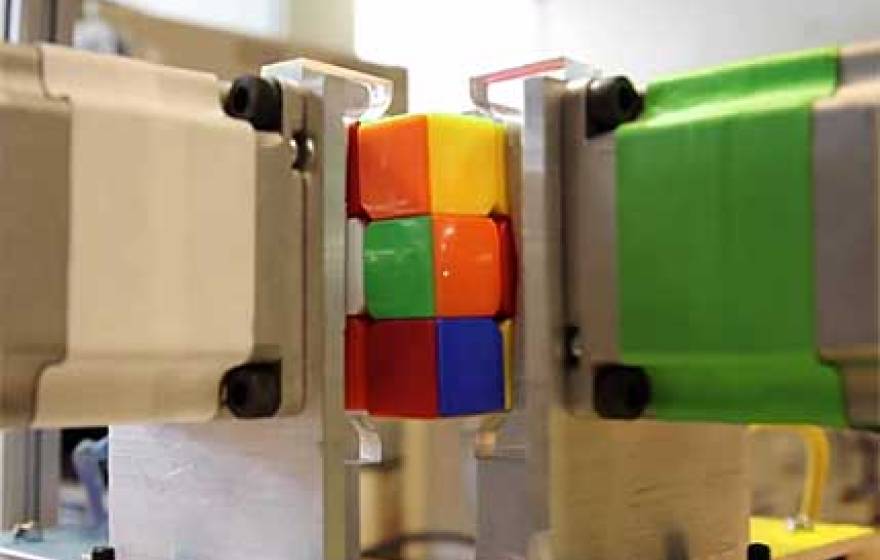
A robot that solves Rubik's Cube
Ruku is the first Raspberry PI Rubik's Cube-solving robot, and has the potential to inspire students to be interested in STEM fields.
UC Davis |
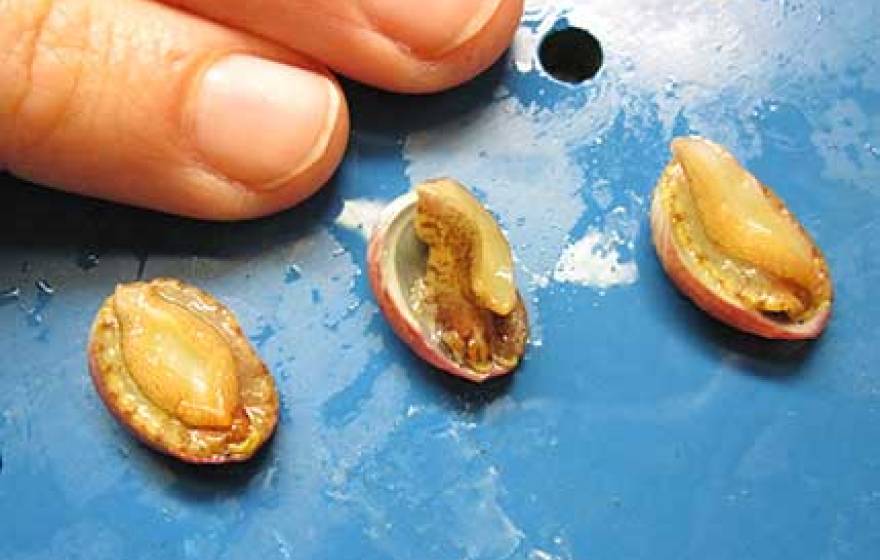
Spawning success for endangered white abalone
Decades ago, abalone was a common seafood menu item, but overfishing wiped it from restaurants and the ocean. In 2012, the abalone breeding program at UC Davis' Bodega Marine Laboratory had just 70 abalone. Since then, their shellfish number in the thousands.
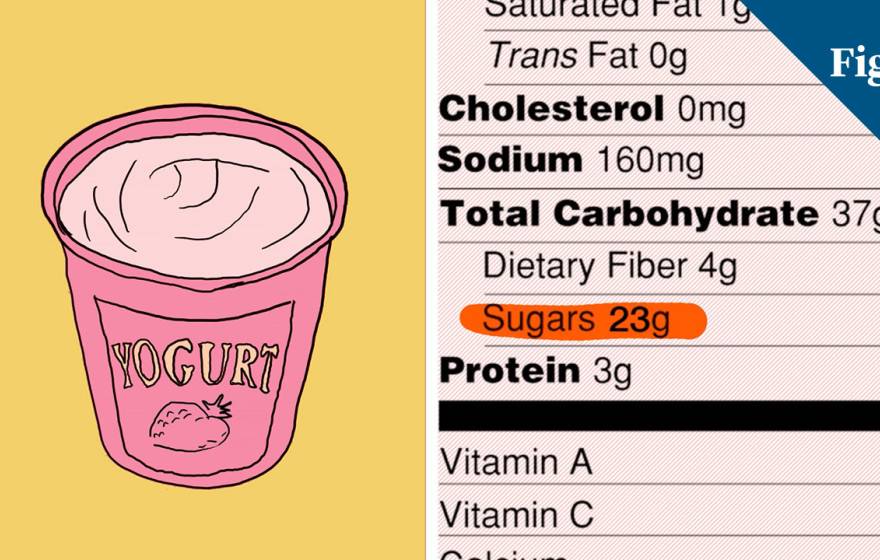
Fig. 1 by University of California |
How much sugar are you really eating?
In the near future, the Nutrition Facts label on the back of packaged foods will have a new look and more information. UC Davis' Kimber Stanhope explains how this will reveal the amount of sugar that is added to our foods.
|
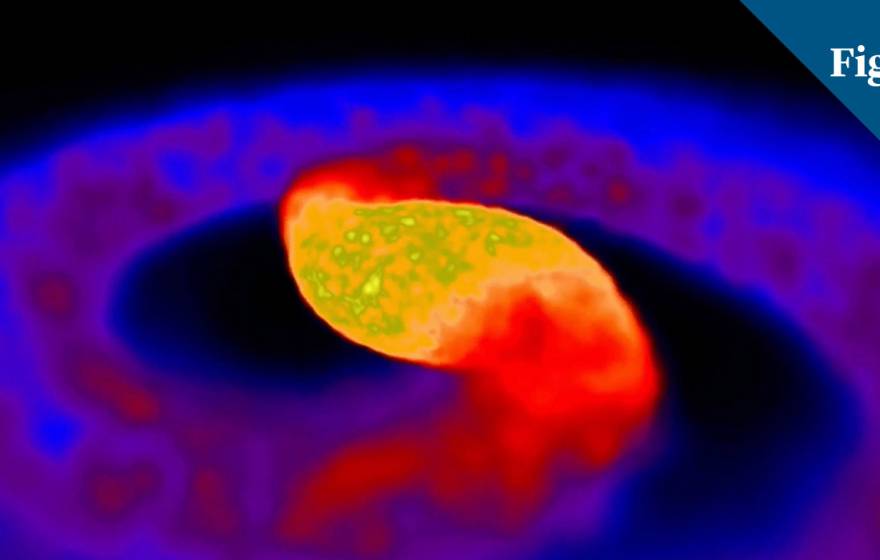
Why science needs art
UCSC's Enrico Ramirez-Ruiz gives us a glimpse of how he visualizes his research. Since much of what he studies is abstract calculations and theories, he shows us how important it is to have visuals to both explain and comprehend his work.
Science Today |
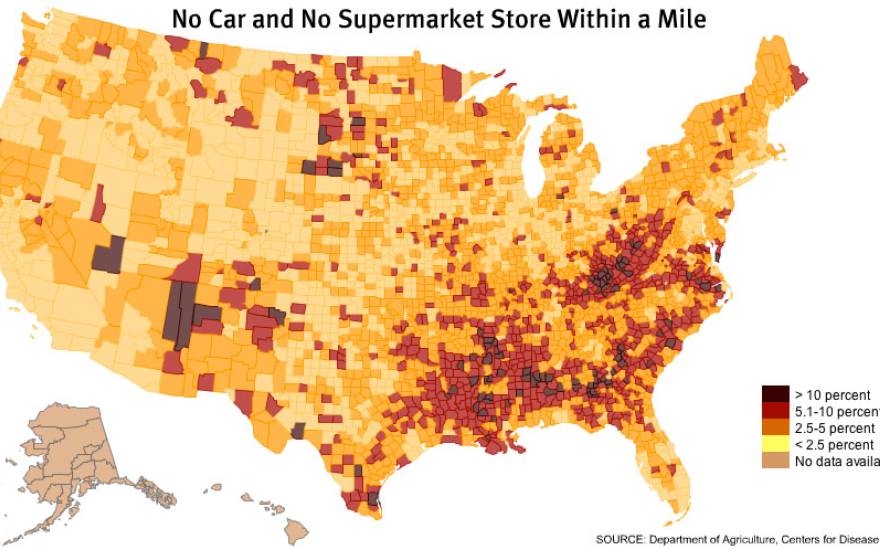
Do you live in a food desert?
Have you heard of food deserts? You may even live in one. The USDA defines a food desert as parts of the country that lack fresh fruit, vegetables and other healthy foods. They’re usually found in impoverished urban areas. Shashi Buluswar, the executive director of the Lawrence Berkeley National Laboratory’s Institute for Globally Transformative Technologies, explains why healthy foods are often not available in low-income neighborhoods.