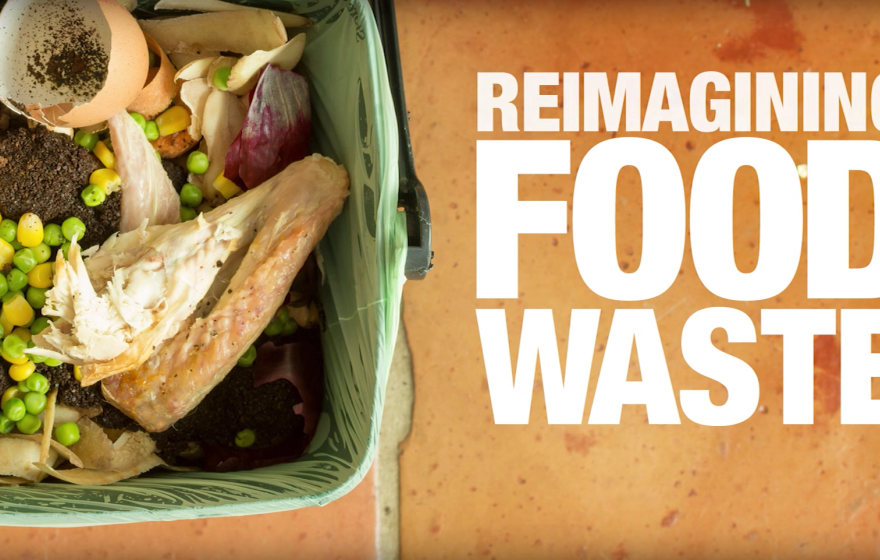
Food waste in the United States is at an all-time high. Globally, food waste is a major source of greenhouse gases - in fact, if food waste was a country, it would be the third largest emitter of greenhouse gases in the world. What to do? A panel of experts convened by Kitchens for Good and the Berry Good Food Foundation explores how to reverse this trend by connecting suppliers with those who will benefit most from increased access to healthy foods.
|
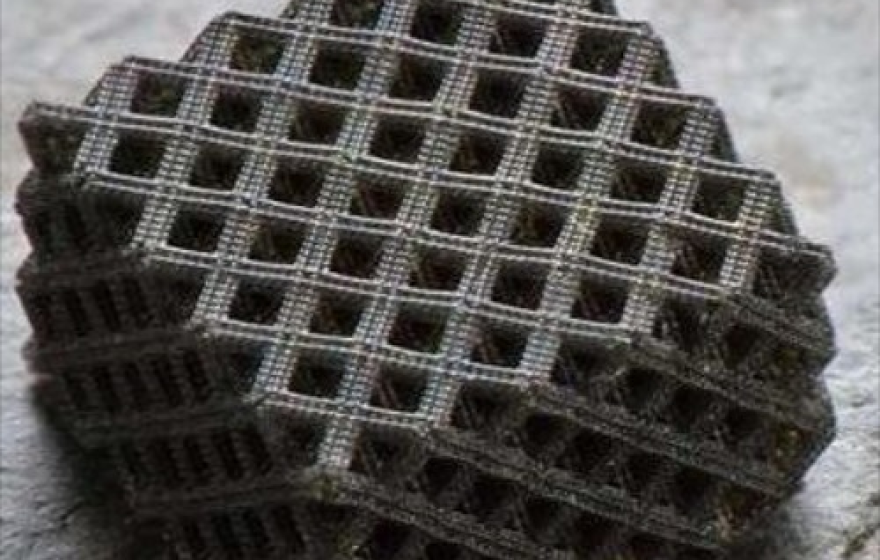
The quest for the Holy Grail in energy storage systems
One of the biggest issues in the field of renewable energy is coming up with better energy storage methods. Marcus Worsley of the Lawrence Livermore National Laboratory is hunting for the Holy Grail: a system that holds a lot of energy, but can be discharged and charged quickly.
|
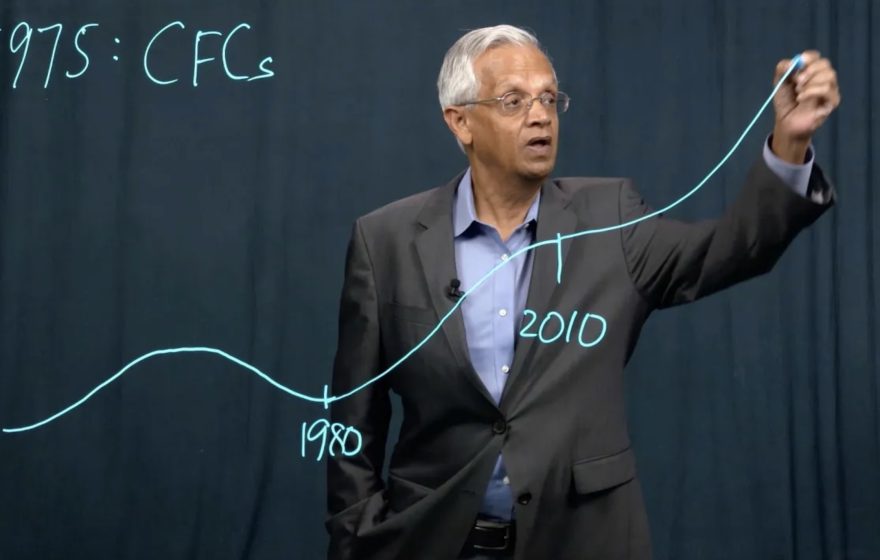
"Bending the curve" on climate change
Renowned atmospheric scientist V. Ramanathan of UC San Diego's Scripps Institution of Oceanography explains how the state of California and the UC system together can lead the charge through the Carbon Neutrality Initiative and ‘bend the curve’ in global warming.
UC Office of the President |
TomKat UC Carbon Neutrality Project launched with $300,000 donation to combat climate change
The University of California launched the TomKat UC Carbon Neutrality Project with a $300,000 gift from the TomKat Foundation, established by Tom Steyer and Kathryn Taylor. The TomKat UC Carbon Neutrality Project seeks to develop and deploy solutions to the challenges of climate change.

UC Newsroom |
UC brings California’s climate change message to Paris
All eyes will be on Paris next week as the nations of the world come together to negotiate the future of the planet at the 2015 UN Climate Conference (COP-21), and California will be at the table.
|
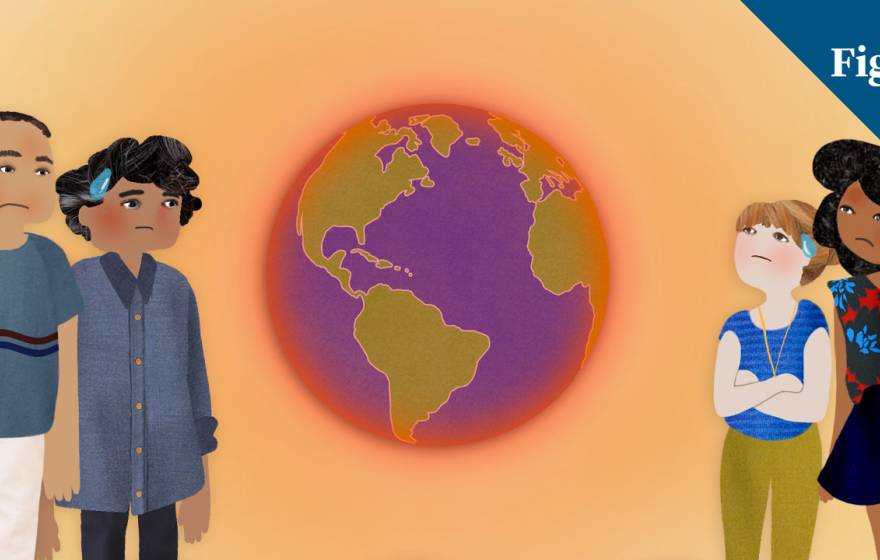
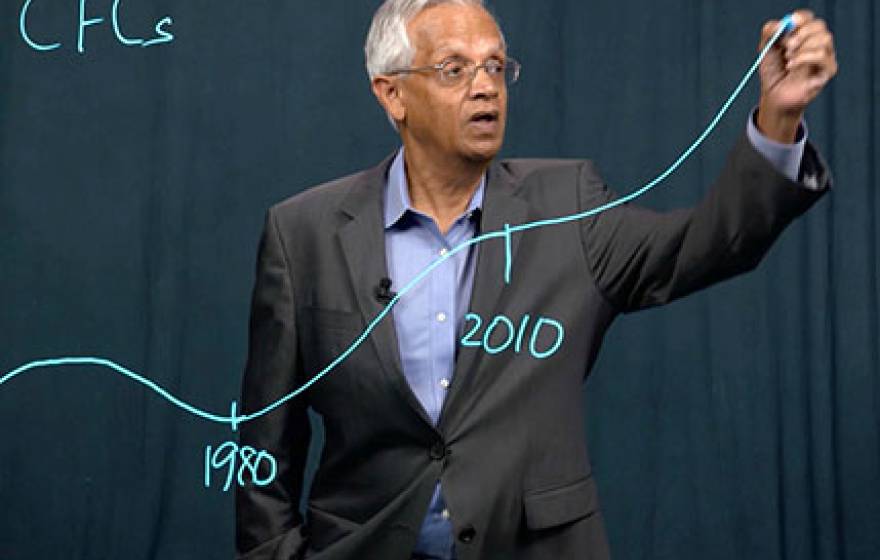
Climate change facts you need to know
Under current guidelines, the planet is on target to warm up by 2 degrees Celsius in 2050 and by 4 degrees in 2100, triggering serious large-scale problems by the end of the century. UC San Diego's climate scientist V. Ramanathan accurately predicted this trend back in 1980. He says that if we make an effort to adopt existing technology today, we might be able to change our course on climate.
University of California |
Bending the curve on climate change
Renowned atmospheric scientist V. Ramanathan of UC San Diego's Scripps Institution of Oceanography explains how the state of California and the UC system together can lead the charge through the Carbon Neutrality Initiative and ‘bend the curve’ in global warming.
UC Riverside |
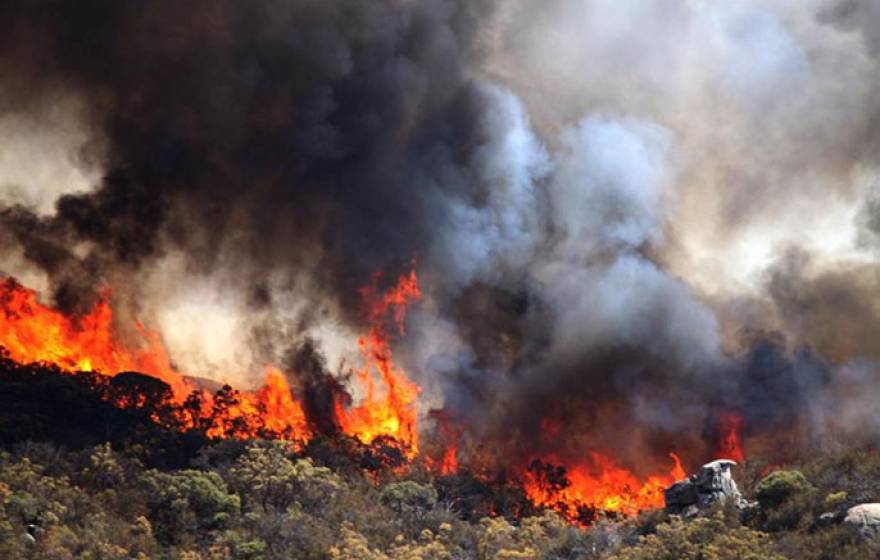
Forecast for Southern California’s 2015 fire season
Fire ecologist spells out what could be ahead for the Southland in this fourth year of severe drought. (Image courtesy of Cal Fire)