Humans have evolved to be far more cooperative than other animals. These scientists investigate how and why.
UC Santa Barbara |
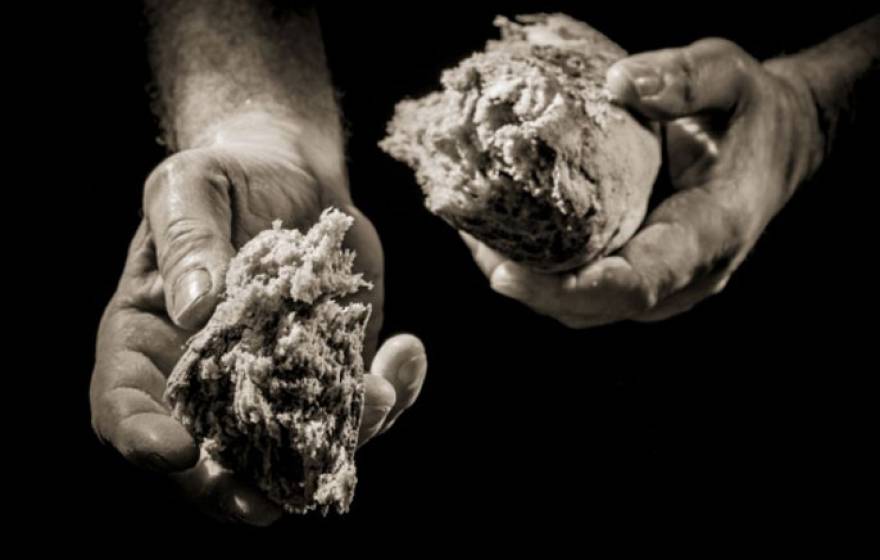
Study: Believe it or not, humans are kind

UC Santa Barbara |
Study: Believe it or not, humans are kind
Humans have evolved to be far more cooperative than other animals. These scientists investigate how and why.
UC Office of the President |
University of California announces recipients of UC Cures for Alzheimer’s Disease awards
The University of California announced on Monday (July 25) the recipients of the UC Cures for Alzheimer’s Disease Initiative awards, which were created to accelerate the development of promising Alzheimer’s disease research by UC scientists.
UC Office of the President |
University of California tops list of universities granted US patents
The University of California ranked first in the world among universities granted U.S. utility patents in 2015, according to a new report.

|
Interviews: Jennifer Smith on the health of coral reefs
It turns out that remote coral reefs can thrive despite climate change.

UCLA |
The teenage brain on social media
A new UCLA study sheds light on the influence of what peers "like."
UC Office of the President |
TomKat UC Carbon Neutrality Project launched with $300,000 donation to combat climate change
The University of California launched the TomKat UC Carbon Neutrality Project with a $300,000 gift from the TomKat Foundation, established by Tom Steyer and Kathryn Taylor. The TomKat UC Carbon Neutrality Project seeks to develop and deploy solutions to the challenges of climate change.
UCSF via The Conversation |
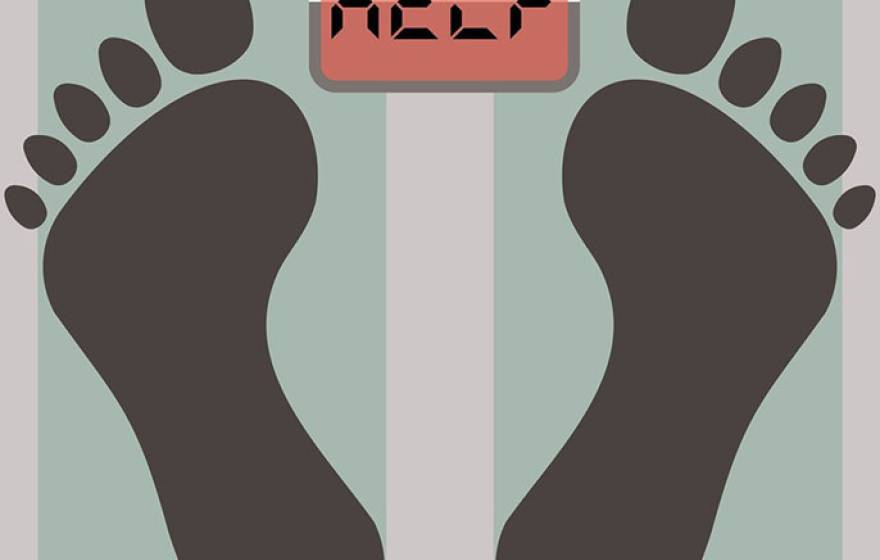
Want to lose weight? Train the brain, not the body
Emotional brain training can help you break the stress-obesity connection, a UCSF professor says.
UC Office of the President |
UC names Christine Gulbranson senior vice president for research innovation and entrepreneurship
The University of California Board of Regents today (May 12) approved Christine Gulbranson as senior vice president for research innovation and entrepreneurship at UC’s Office of the President.
UC Office of the President |
The three-minute pitch: Grad students compete to make their research accessible
A competition that helps grad students build valuable skills in explaining the what and why of their research, the 2016 Grad Slam takes place April 22.
UC Berkeley |
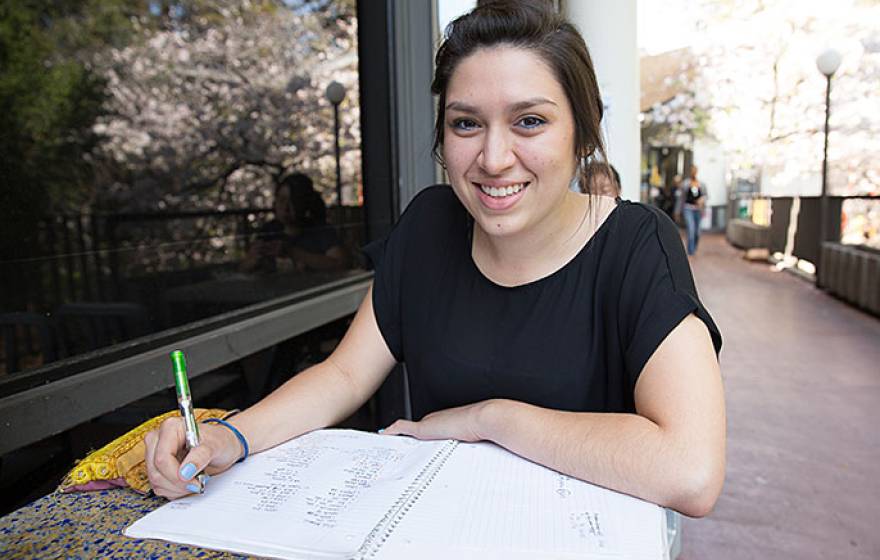
Teen girls see big drop in chemical exposure with switch in cosmetics
A UC Berkeley study finds that using personal care products free of hormone disruptors makes a difference.
|
Can we use Wi-Fi to see through walls?
We use Wi-Fi to stay connected, but UC's Yasamin Mostofi shows that Wi-Fi can also be used to sense the world around us – even behind walls.