Nature's rankings are based on the collective contributions of the university's faculty in major scientific journals.

San Diego Union-Tribune |
UC San Diego ranks first in U.S. in environmental science

San Diego Union Tribune |
High tech health gives hope to sick and injured
San Diego County has become a hotbed of medical innovation, led by UC San Diego and other institutions.
KPCC-FM |
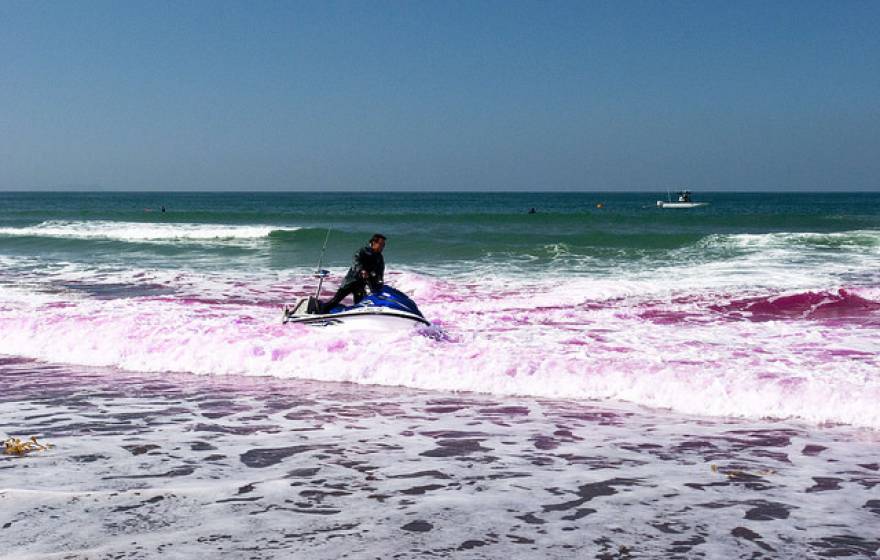
Pink waves shed light on beach contamination
Bacteria, chemicals and trash often end up on Southern California beaches after it rains. To understand how this and other contamination ends up in the water, the Scripps Institution of Oceanography at UC San Diego is dying water pink.
University of California |
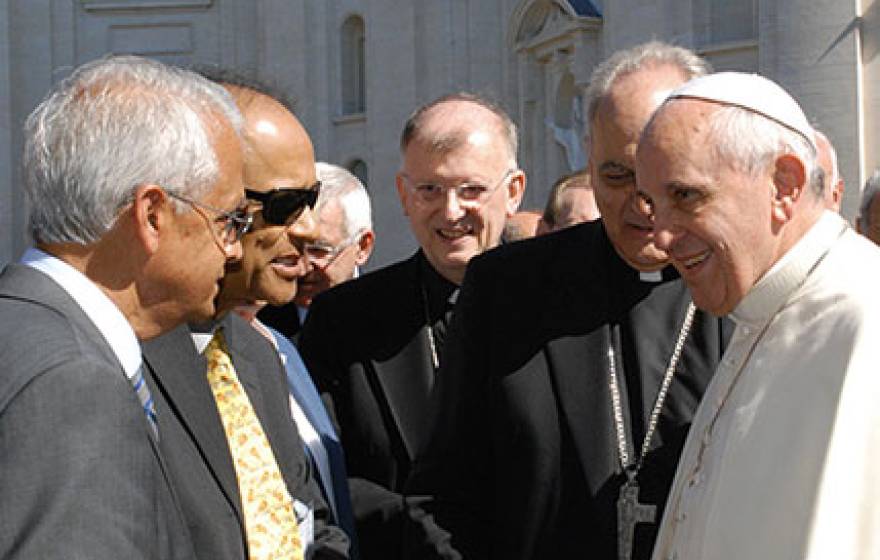
A 'parking lot pitch' to the Pope
Last year, UC San Diego’s V. ‘Ram’ Ramanathan had an audience with Pope Francis in the parking lot of the Vatican. Ramanathan, who serves on the prestigious Pontifical Academy of Sciences panel, delivered what he calls a ‘parking lot pitch’ to the leader of the Catholic Church. Here, Ramanathan describes this moment and how it may have influenced the Pope’s subsequent position on the matter.
San Diego Union Tribune |
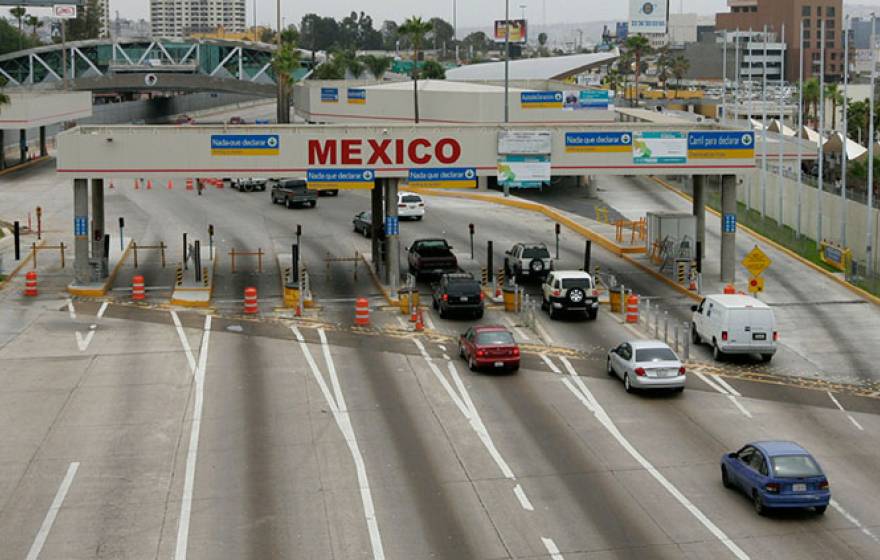
Technology key to border's future
UC San Diego report highlights new possibilities for increasing the efficiency of operations at border crossings in the San Diego-Tijuana region.
The Guardian |
El Nino: a global weather event that may save California — and destroy the tropics
The anticipated El Niño of 2015 could help farmers in California, but this climate phenomenon typically 'creates winners and losers on a global scale,' write UC Berkeley’s Solomon Hsiang and UC Santa Barbara's Kyle Meng.
California Matters by University of California |
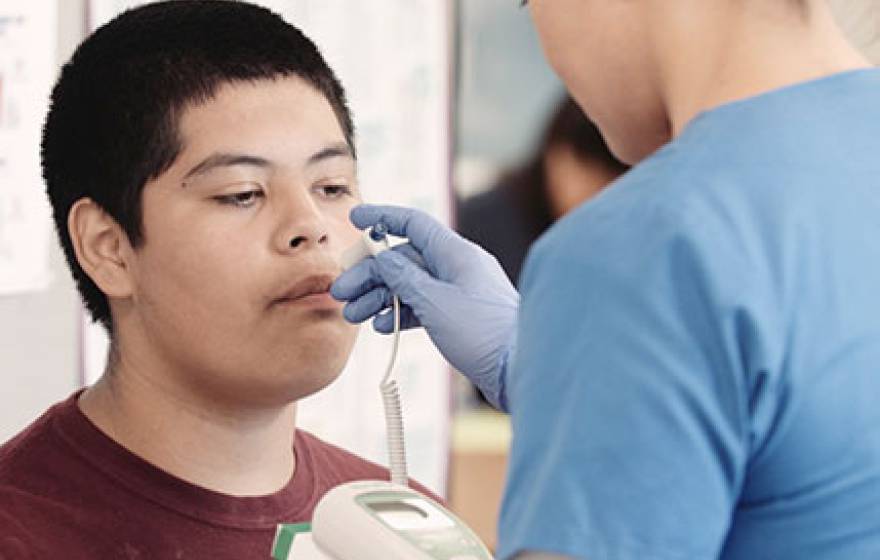
A watchful eye on farm families’ health
Venture out into the fields of Salinas with Mark Bittman as he interviews UC Berkeley's Brenda Eskenazi. She leads the CHAMACOS study, which follows children born between 2000-02 and assesses the impact of pesticides and other environmental chemicals (like flame retardants) on their long-term health.
Davis Enterprise |
UC Davis is poised to lead in aquaculture
Aquaculture is reviving now, and the Bodega Marine Laboratory is positioned to further research on local species.
Washington Post |
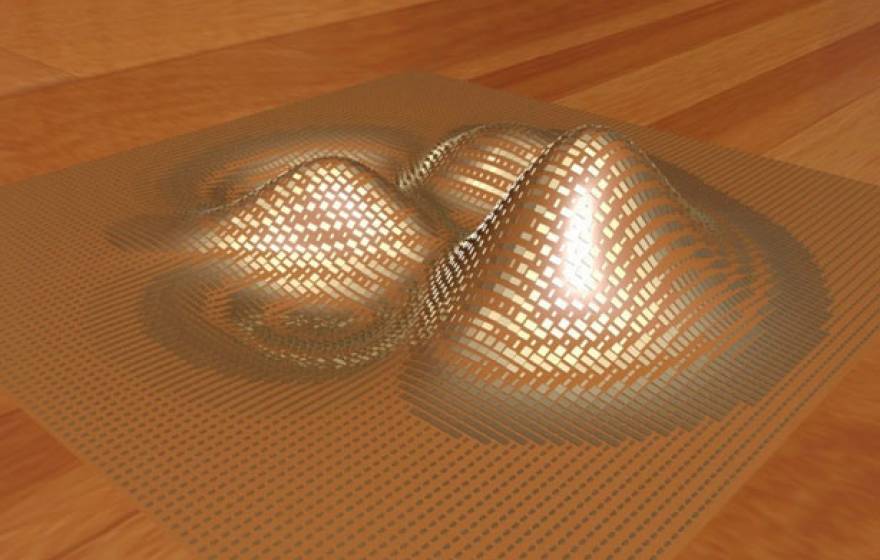
Skintight ‘invisibility cloak’ can hide any 3-D object — as long as it’s super tiny
We're one step closer to Harry-Potter-style invisibility cloaks. Berkeley Lab researchers report the first ever success in cloaking 3-D objects regardless of their shape.
Wired |
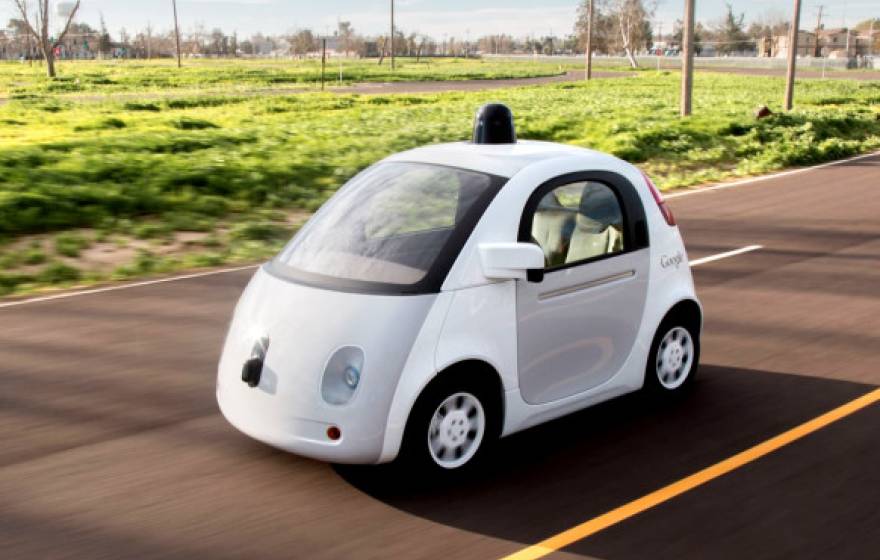
Laser breakthrough could speed rise of self-driving cars
UC Berkeley research could reduce size, weight, cost, and power consumption of the sensors that help direct the vehicles.

Fig. 1 by University of California |
Do high fives help sports teams win?
Hugs. High fives. Fist bumps. Touch is an essential part of how people communicate with one another. UC Berkeley psychology professor Dacher Keltner examined NBA games to see if there is a relationship between a team's success and how often they touch.
San Francisco Chronicle |
Food industry needs to step up on responsible groundwater use
Mindy Lubber and UC Irvine's Jay Famiglietti: Food production, the world’s biggest water user, is a major underlying cause of dropping water tables and sinking land in the drought-plagued Central Valley and around the globe.