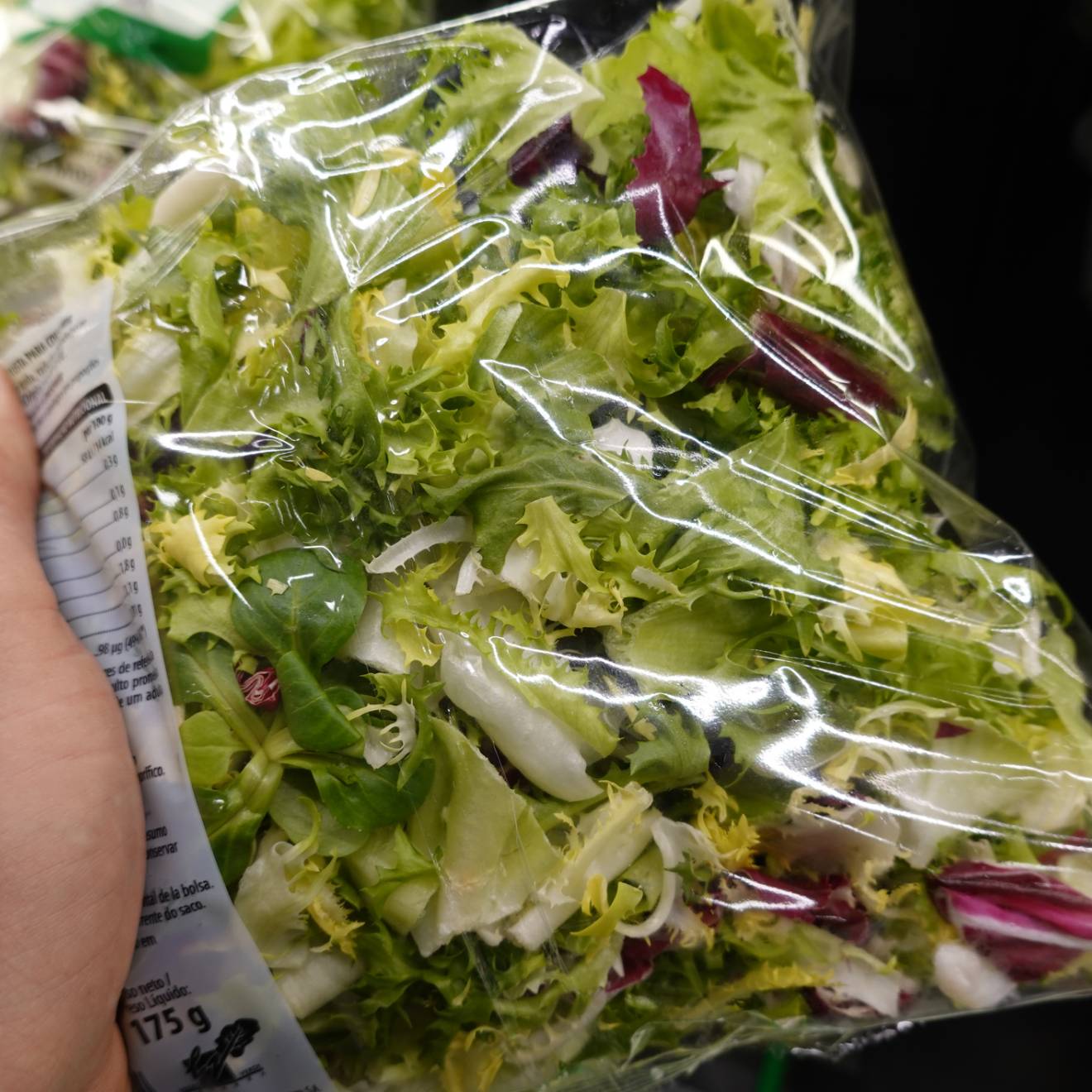
A Cyclospora outbreak linked to lettuce has many Americans wondering whether it’s still safe to eat leafy greens. We asked UC Davis food safety expert Erin DiCaprio what consumers should actually know.
Takeaway No. 1: This is a unique outbreak.
At the time of writing, the U.S. Centers for Disease Control and Prevention has identified nearly 25,000 cases of cyclosporiasis, the illness causing severe digestive upset linked to the parasite Cyclospora. Typically, Cyclospora sickens up to 1,000 people a year, so this is a notable increase in scope — and two people have died.
But that doesn’t mean you have to be scared.
“Most of the new cases added to the outbreak statistics in recent weeks were individuals who consumed the lettuce prior to the recall being initiated,” DiCaprio said. The outbreak became as big as it did because the implicated lettuce was distributed to multiple food service, retail stores and restaurants across the U.S.
While the contaminated lettuce is likely out of the food system, the nature of Cyclospora makes this slow-moving.
Because it can take 1 to 2 weeks to show symptoms, and up to 6 weeks to trace the origin of the illness to the outbreak — that is, if they receive medical care — DiCaprio estimates the number of cases will continue to rise.
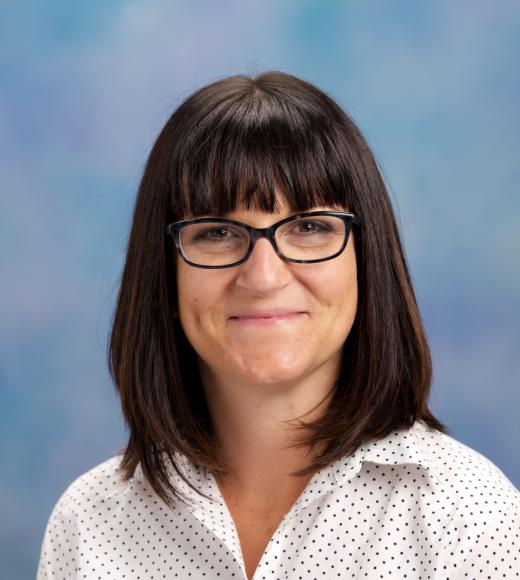
Erin DiCaprio is an associate professor in Cooperative Extension at UC Davis and the UC Division of Agriculture and Natural Resources with a focus on community food safety.
Takeaway No. 2: The food safety system is still remarkable.
“I’m not scared to eat,” DiCaprio said. “There are a lot of systems in place that most folks aren't aware of to help manage food safety across the entire farm-to-fork chain.”
If foodborne illness seems more common than ever, that’s partly because outbreaks make headlines.
But Americans eat billions of meals every year without getting sick.
Bottom line: The fact that outbreaks are relatively rare is evidence that decades of food safety research, regulation and industry practices do work.
Takeaway No. 3: UC works closely with California farmers to make sure food safety starts long before food reaches your plate.
Most people think about washing lettuce.
Researchers and growers think about irrigation water, worker hygiene, wildlife, equipment sanitation and dozens of other ways contamination can happen before harvest.
“The fundamental principle,” DiCaprio said, “is that anyone who’s growing, processing, or serving food needs to understand the potential food safety hazards ... and then implement strategies to help mitigate those risks.”
UC researchers don’t just study those risks: They work directly with California growers to reduce them through training and applied research.
Takeaway No. 4: The pests scientists are trying to stop are often some of the most difficult to study.
One of the biggest surprises?
Many foodborne viruses and parasites — including Cyclospora — can’t be grown under laboratory conditions.
“The parasite doesn’t grow in food or the environment,” DiCaprio said. “It requires a human host to amplify.”
“That makes it difficult to study mitigation strategies,” she added.
Researchers instead use surrogate organisms while developing better detection methods and studying how pathogens survive in water, soil and on produce.
What we know about Cyclospora is that people can be actively shedding the parasite where it is endemic into water used to grow or process the food. “It does not take ingesting many oocysts [spores] to get sick and they can persist in the food chain for long periods after the initial contamination event,” DiCaprio said.
Why it matters: Preventing outbreaks starts with understanding organisms that are remarkably difficult to study.
Takeaway No. 5: Finding the source of an outbreak is painstaking detective work.
When someone gets sick, investigators don’t immediately know which food is responsible.
Instead, they interview patients and ask them to remember what they ate days, or even weeks, earlier.
“You can imagine it could be pretty challenging to ask someone, ‘What did you eat a week ago or two weeks ago?’” DiCaprio said.
Only then do investigators trace products backward through restaurants, distributors, processors and farms.
What’s next: New traceability systems for foods like leafy greens should make future investigations much faster.
The bottom line
Food safety isn’t a single inspection or a single laboratory test. It’s thousands of small decisions made by researchers, growers, processors and public health officials before food ever reaches your plate.
“The lack of [large outbreaks] is a testament to the food safety systems that producers and processors have in place,” DiCaprio said.
That’s the paradox of food safety: When it works, almost nobody notices.