People found sleep-deprived individuals to be more socially unattractive, and felt lonelier after interacting with them.

UC Berkeley |
How poor sleep can ruin your social life
UC San Diego |
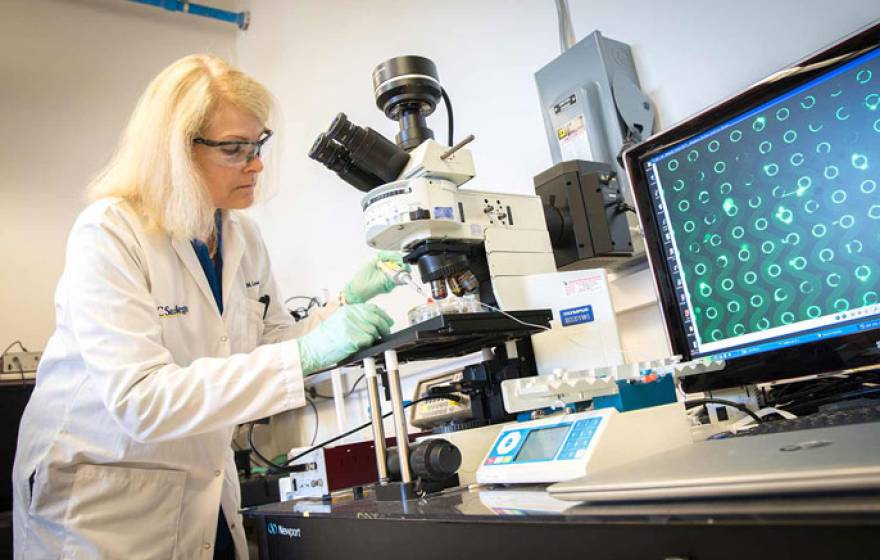
New blood test rapidly detects signs of deadly cancer
Pancreatic cancer is often detected too late, but a new diagnostic tool shows promise.

UCLA |
Curcumin improves memory and mood, new study says
Lovers of Indian food, give yourselves a second helping. The compound found in turmeric has new benefits.
UC Office of the President |
UC praises Gov. Brown proposal to establish precision health institute
Executive Vice President of UC Health John D. Stobo issued a statement today (Jan. 10) applauding Governor Brown’s proposal to establish the California Institute to Advance Precision Health and Medicine.
UC Berkeley |
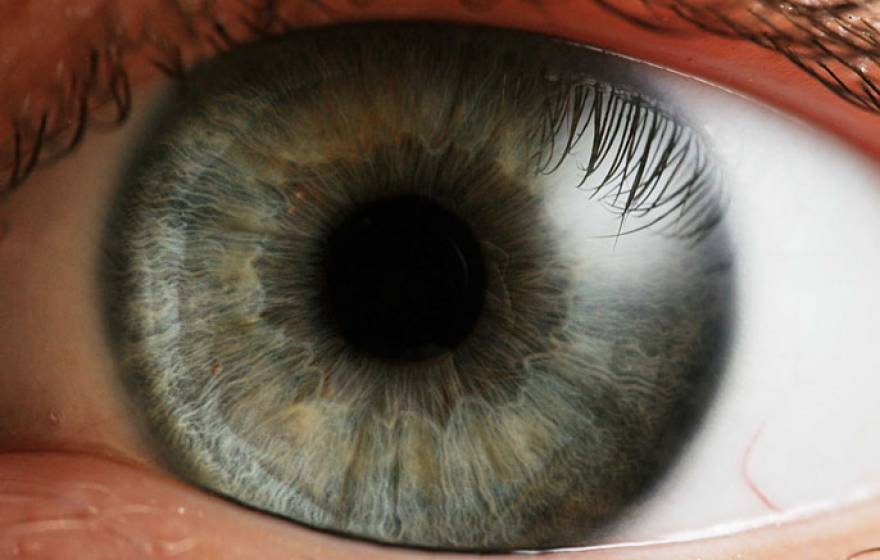
Scientists discover potential treatment to stop glaucoma in its tracks
It's a major step forward against a leading cause of blindness that affects 80 million worldwide.
UC Office of the President |
UC Health urges California congressional delegation to oppose Graham-Cassidy health bill
John D. Stobo, M.D., executive vice president of UC Health, today (Sept. 22) sent a letter to the California congressional delegation urging them to oppose the Graham-Cassidy health care bill.

UC San Diego |
How climate change makes us all lose sleep
Millions of nights of insufficent sleep could be created by rising temperatures, study says.
UC San Diego |
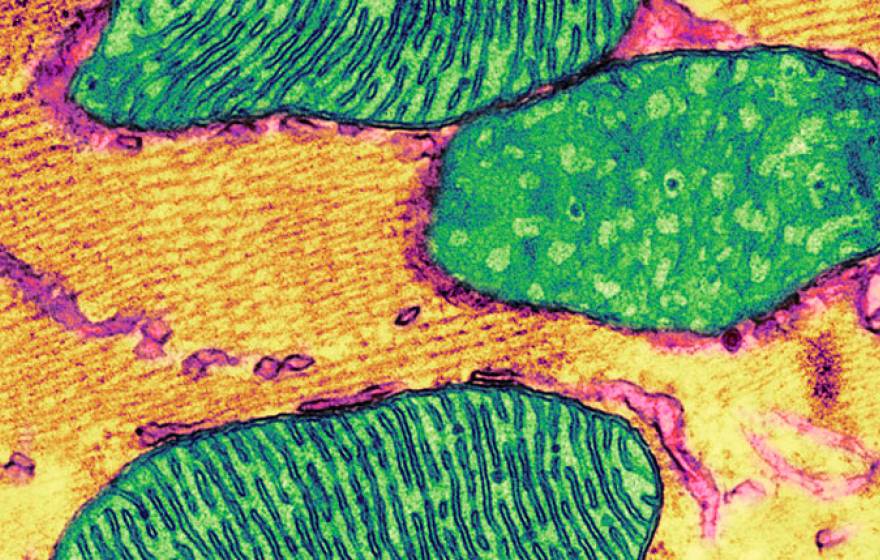
Century-old drug could provide new approach to autism
A single dose produced groundbreaking improvements in language and social behavior, giving hope to families.
UC Office of the President |
UC moves to shut down alleged fraud targeting students
The University of California today (April 20) announced it has uncovered a massive scheme targeting students through its student health plan that fraudulently obtained student information and then stole almost $12 million from UC by writing phony medical prescriptions in the students’ names.

UC Santa Barbara |
How your diet affects climate change
You are what you eat, as the saying goes, and while good dietary choices boost your own health, they also could improve the health care system and even benefit the planet. Healthier people mean not only less disease but also reduced greenhouse gas emissions from health care.
UCSF via The Conversation |
Want to lose weight? Train the brain, not the body
Emotional brain training can help you break the stress-obesity connection, a UCSF professor says.
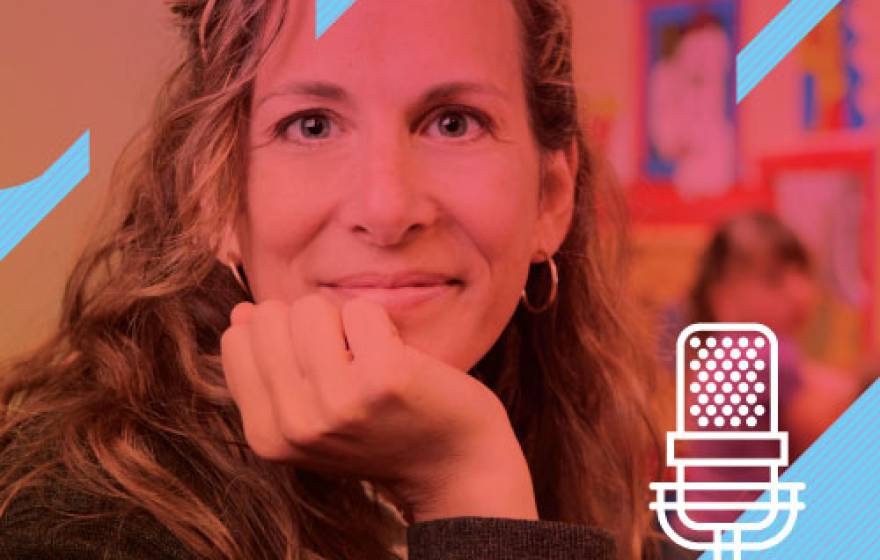
Science Today |
Breakthrough study reveals biological basis for Sensory Processing Disorder
More common in children than autism, SPD has only recently gained recognition as a distinct neurological disorder. UCSF's Elysa Marco explains how her team's groundbreaking research may lead to a greater understanding of the condition, as well as better diagnosis and treatment.