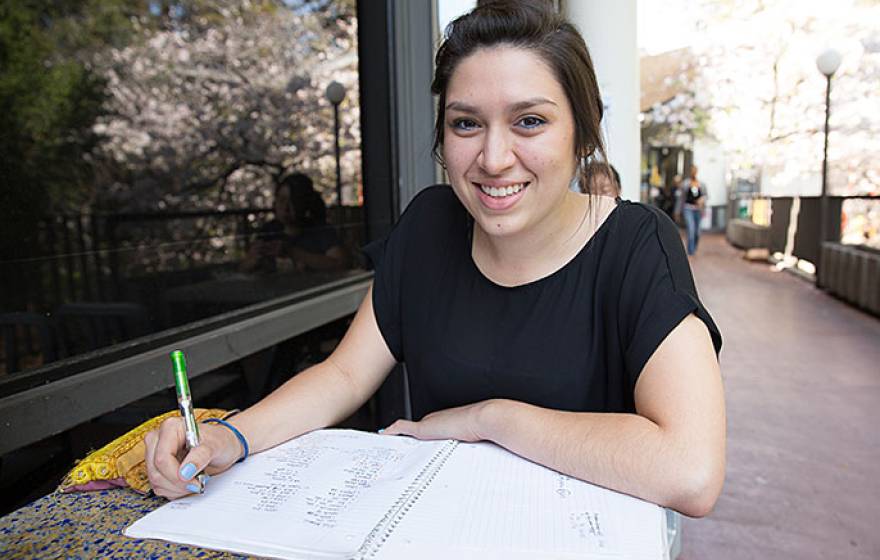
A UC Berkeley study finds that using personal care products free of hormone disruptors makes a difference.
Science Today |
Eye drops to reverse cataracts
UC San Francisco’s Jason Gestwicki describes his lab’s work developing eye drops to reverse cataracts, a potential boon to millions of people who go blind every year in developing countries because they can't afford (or have access to) the current, successful surgical treatment.
UC Davis |
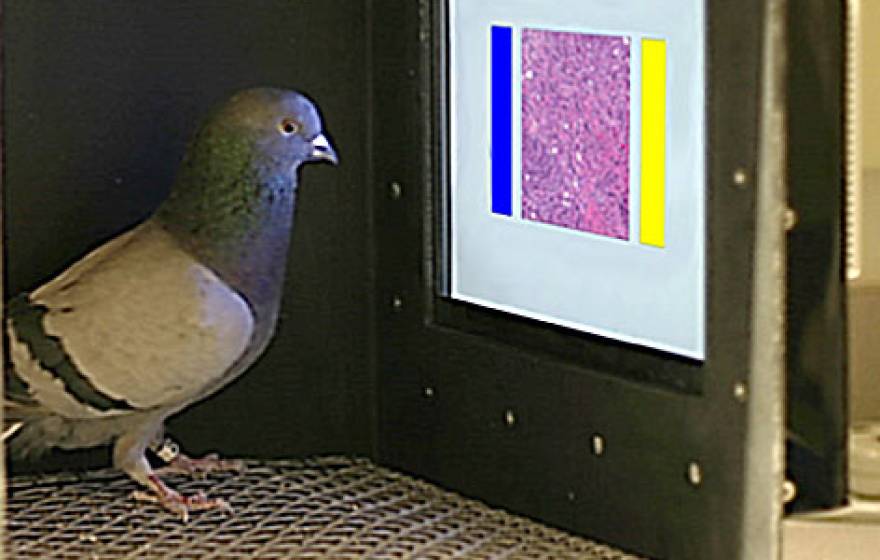
Pigeons can distinguish cancerous breast tissue from normal
Study finds the birds are uncommonly good at distinguishing cancerous breast tissue from normal .
UC Office of the President |
Health Sciences and Services changes name to UC Health
The UC Office of the President's health division has changed its name to reflect its role providing leadership and strategic direction for UC’s five academic medical centers and 17 health professional schools.
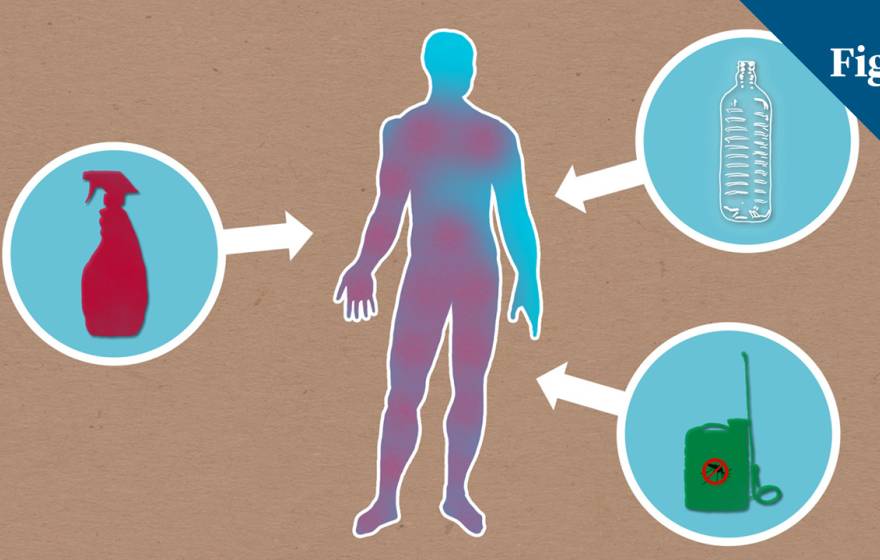
Fig. 1 by University of California |
How do our bodies fight off dangerous chemicals?
Cells are like night club bouncers, says UC San Diego's Amro Hamdoun: With every substance that a cell encounters, it has to decide which to eliminate and which to let in.

Fig. 1 by University of California |
How much sugar are you really eating?
In the near future, the Nutrition Facts label on the back of packaged foods will have a new look and more information. UC Davis' Kimber Stanhope explains how this will reveal the amount of sugar that is added to our foods.
UC Berkeley |
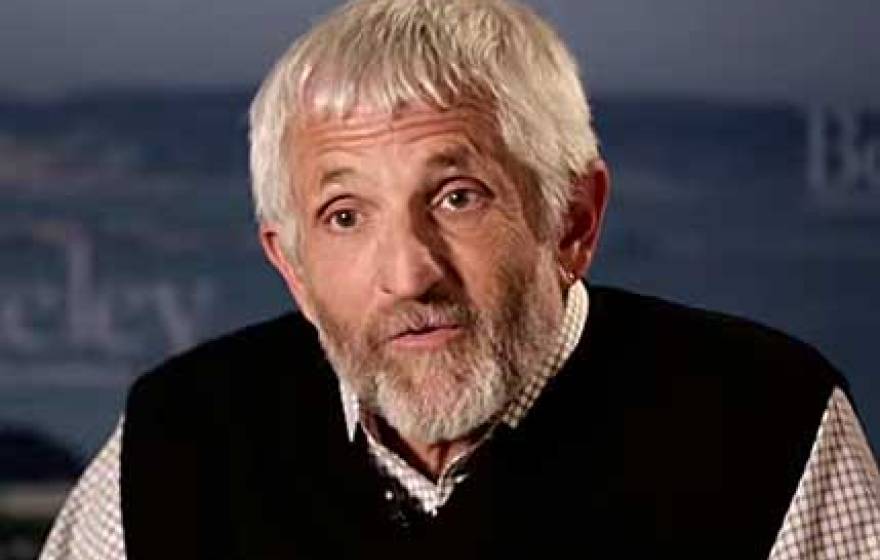
Ebola 101
An infectious-disease expert at UC Berkeley offers a primer on the deadly Ebola virus.
UC San Diego |
Herpes infected humans before they were human
The virus originated in chimpanzees and jumped into humans 1.6 million years ago.
UC Office of the President |
Pharmacy education growing rapidly, easing workforce shortages
The landscape for pharmacy education has changed dramatically in recent years, as rapid growth in new schools and student enrollment has eased state and regional workforce shortages, according to a new report from the University of California.
UC Irvine |
Fighting malaria in the 21st century
Vector biologist Anthony James takes a fresh look at how mosquitoes transmit malaria and other diseases.
UCLA |
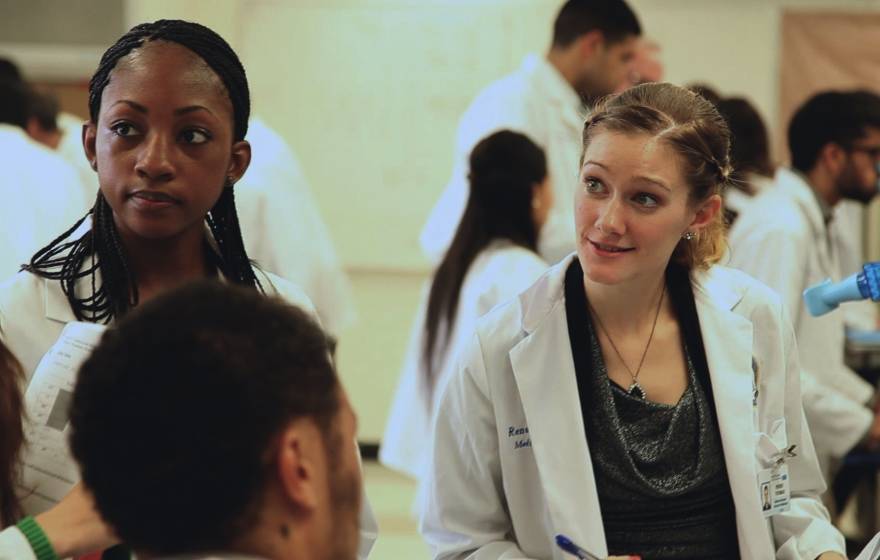
Geffen's $100M gift for medical students
Donation will fully fund costs for select students; with previous gift, it makes David Geffen the largest individual donor in the history of UCLA.
UCLA |
Drug combo better at preventing HIV transmission
A two- or three-drug combination given to infants of HIV-positive mothers within 48 hours of birth cut infection rates to half of what was achieved with AZT alone.