KQED Science |
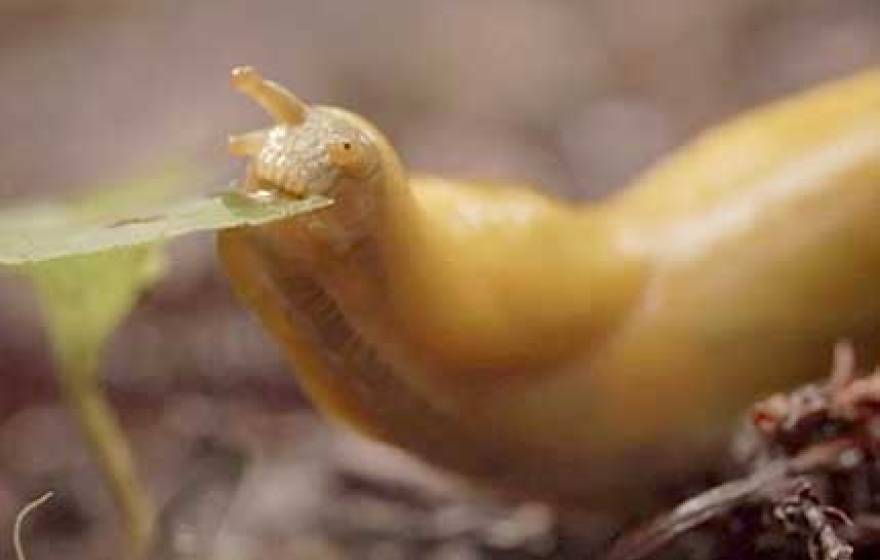
Banana slugs: secret of the slime
Engineers and other researchers at UC Merced, UC Santa Cruz and UCLA are studying slime and other properties of the humble banana slug (which happens to be the Santa Cruz mascot).
UC Irvine |
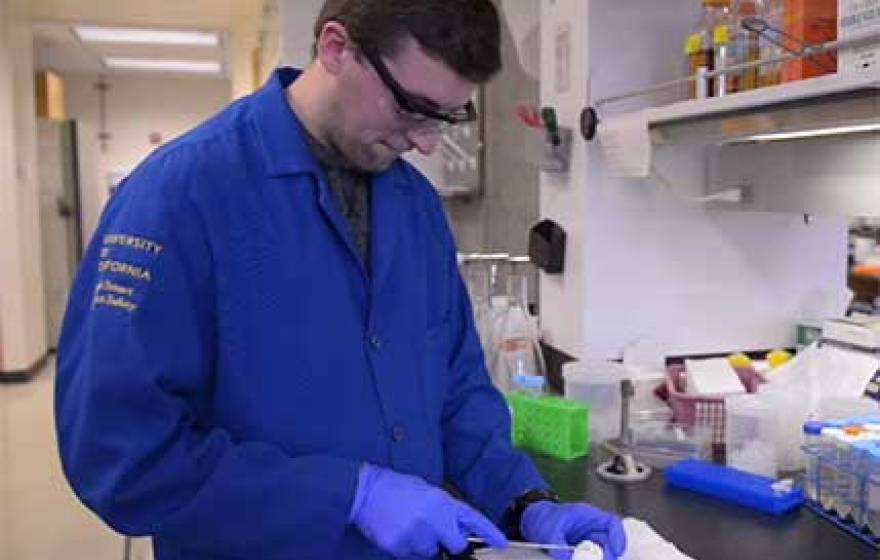
Why unboil an egg?
Gregory Weiss, UC Irvine chemistry professor, talks about 'unboiling' egg white proteins and returning them to their original state. The ability to quickly restore molecular proteins could slash biotechnology costs and dramatically reduce the costs for cancer treatments.
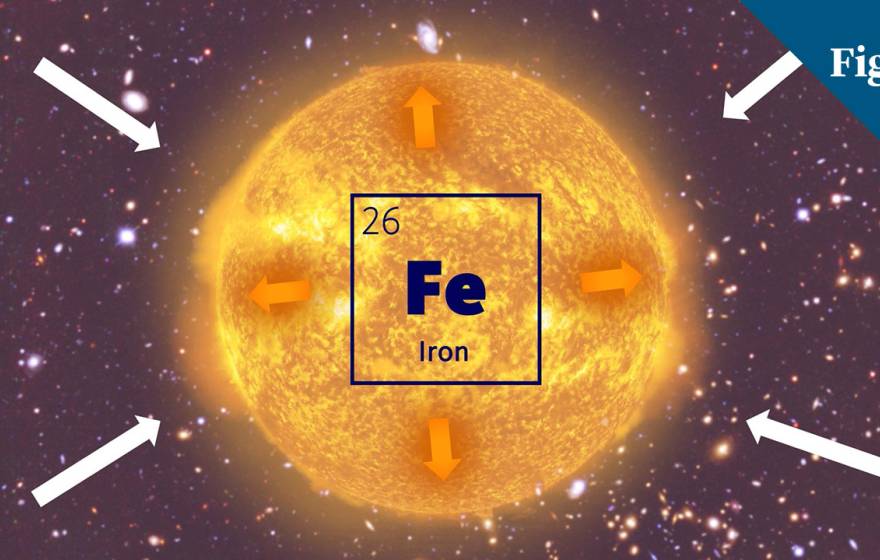
Fig. 1 by University of California |
The life of a star explained in 1 minute
The iron in our blood, the silicon in your computer, the oxygen that we breath — all of those elements were synthesized inside a star. UC Santa Cruz astrophysicist Enrico Ramirez-Ruiz walks us through the process from a star's beginning to its death.
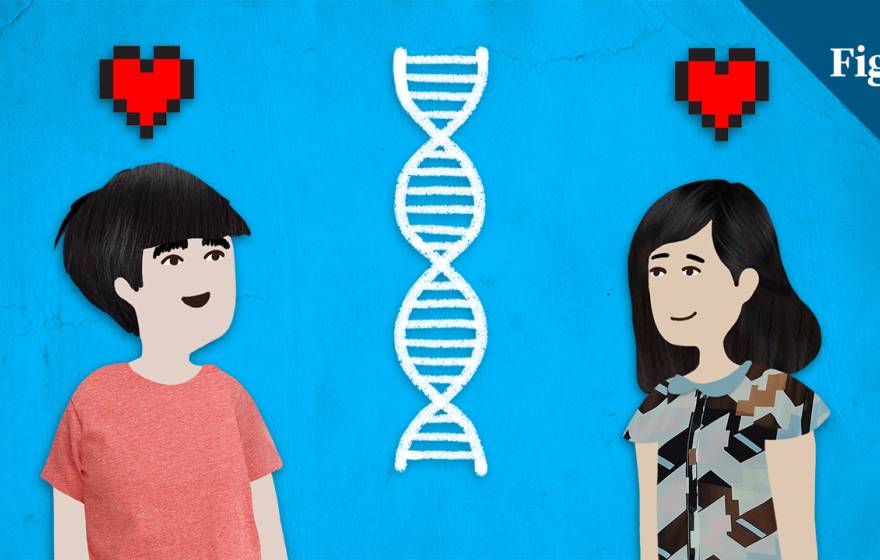
Fig. 1 by University of California |
Is the secret to a happy marriage in your DNA?
Can something as simple and small as a gene impact something as complex as marriage? UC Berkeley researchers have found a link between relationship fulfillment and a gene variant, or allele, of the serotonin transporter gene.

Here and Now, WBUR |
Brian Williams says he misremembered. Can that really happen?
Elizabeth Loftus, a professor of psychology and social behavior at UC Irvine School of Law, discusses the phenomenon of false memory.
Wired |
Forecasting a river of atmospheric water
After starting the new year with a dry month, California soon will be falling off the wagon. Scientists have been tracking a tentacle of moisture-laden tropical air—a so-called atmospheric river—that’s supposed to make it rain.
Los Angeles Times |
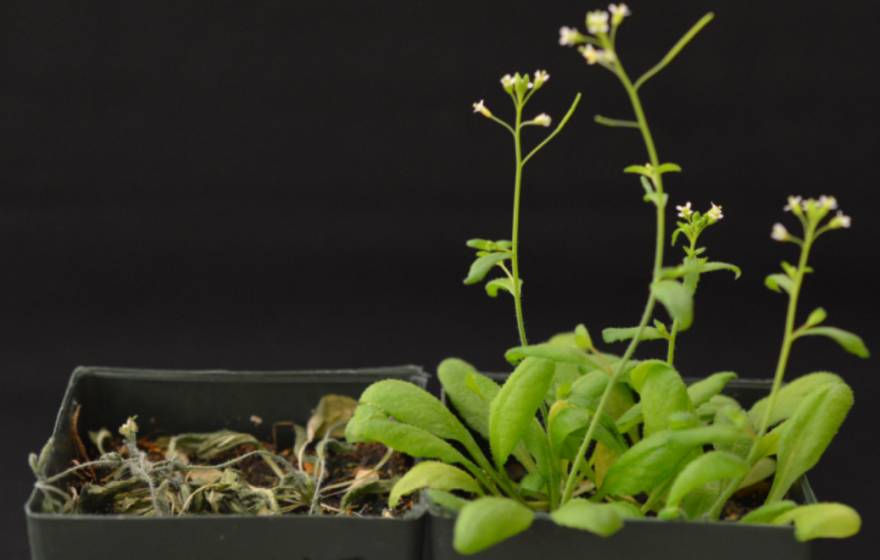
Can scientists engineer drought-tolerant plants?
As the California drought enters its fourth year, scientists — among them, UC Riverside's Sean Cutler — are trying to genetically engineer plants that survive on less water.
National Geographic |
Trying to be less stupid
Aren't we all? It's the work of brain science, and UC Santa Barbara neuroscientist Michael Gazzaniga discusses where the next big breakthroughs in understanding the brain will come from.
Calit2ube/UC San Diego |
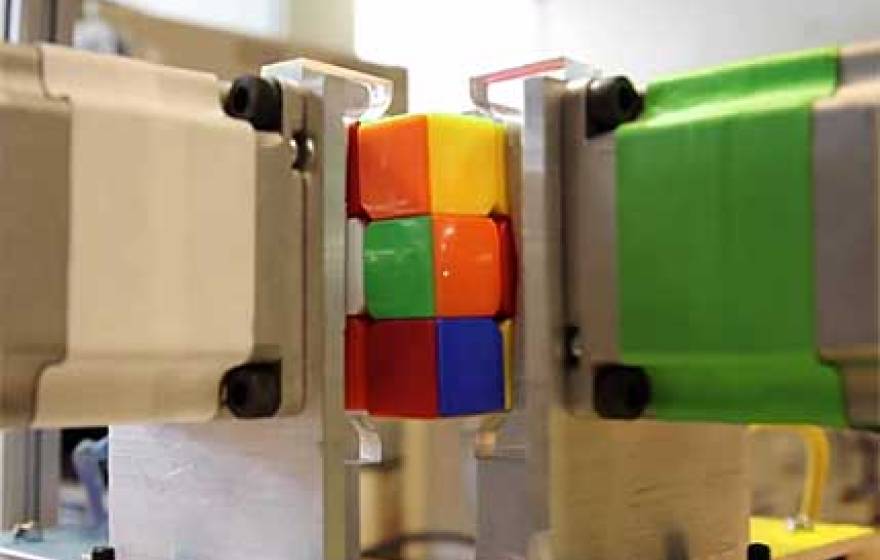
A robot that solves Rubik's Cube
Ruku is the first Raspberry PI Rubik's Cube-solving robot, and has the potential to inspire students to be interested in STEM fields.

NPR |
The icebergs are talking. We just have to listen
A Scripps Institution of Oceanography researcher is one of the authors of a new study that interprets the acoustics of glacial melting.
UC Davis |
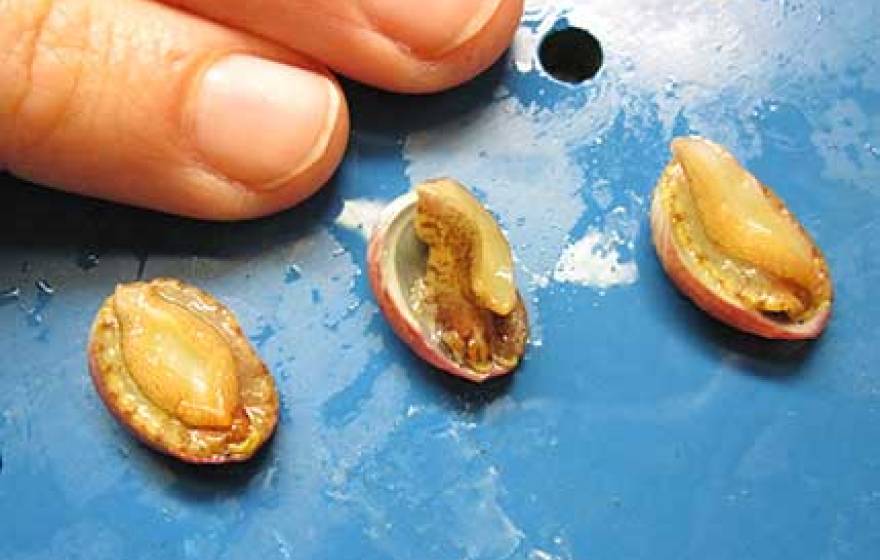
Spawning success for endangered white abalone
Decades ago, abalone was a common seafood menu item, but overfishing wiped it from restaurants and the ocean. In 2012, the abalone breeding program at UC Davis' Bodega Marine Laboratory had just 70 abalone. Since then, their shellfish number in the thousands.
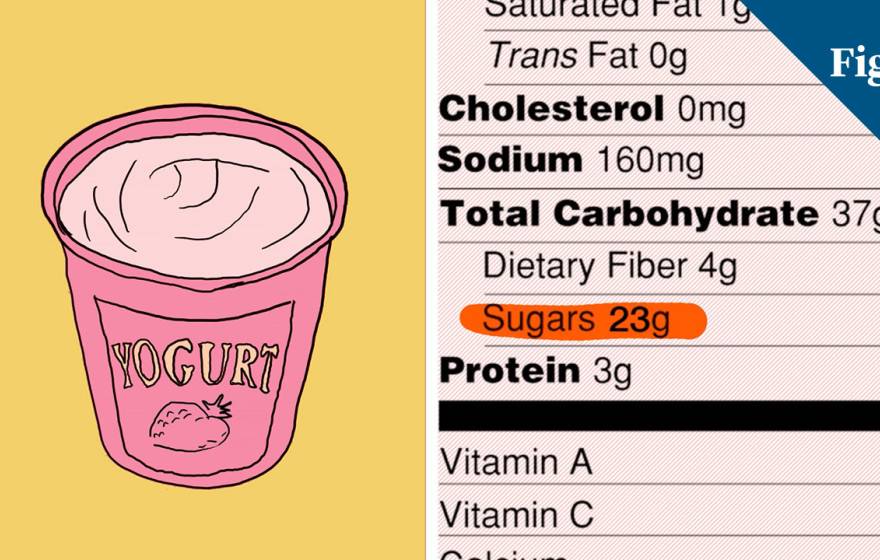
Fig. 1 by University of California |
How much sugar are you really eating?
In the near future, the Nutrition Facts label on the back of packaged foods will have a new look and more information. UC Davis' Kimber Stanhope explains how this will reveal the amount of sugar that is added to our foods.