Forbes |
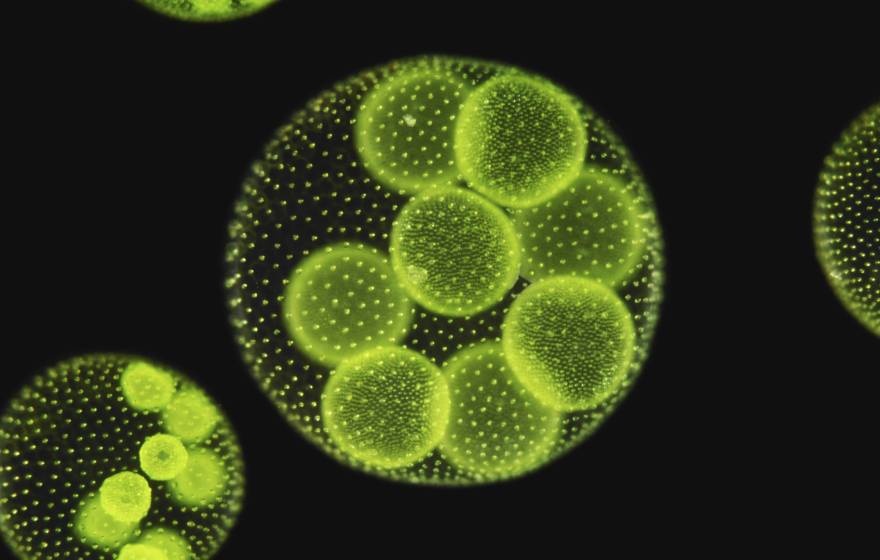
Scientists are engineering algae to fuel your car and cure cancer
UC San Diego’s California Center for Algae Biotechnology aims to 'train a little algae to do pretty much whatever we want.'
National Geographic |
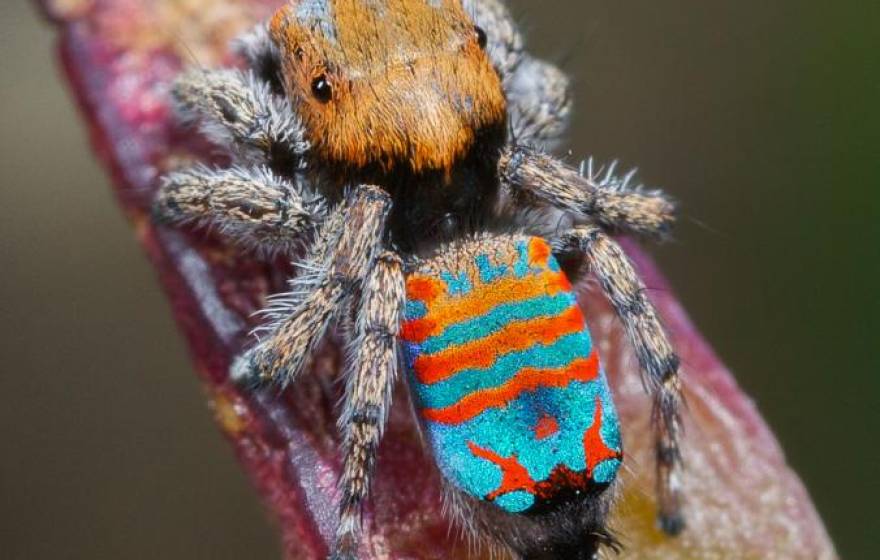
Sparklemuffin and Skeletorus, new peacock spiders
A few new species of these colorful, dancing spiders have been found in eastern Australia; a UC Berkeley grad student discovered and named some of them.
Daily Mail |
The science of folding clothes
UC Berkeley-engineered robot gets the laundry down pat.

Washington Post |
The house of the future is a Honda
UC Davis hosts — with an assist from the car maker — a house that takes green living to a whole new level.
Capital Public Radio |
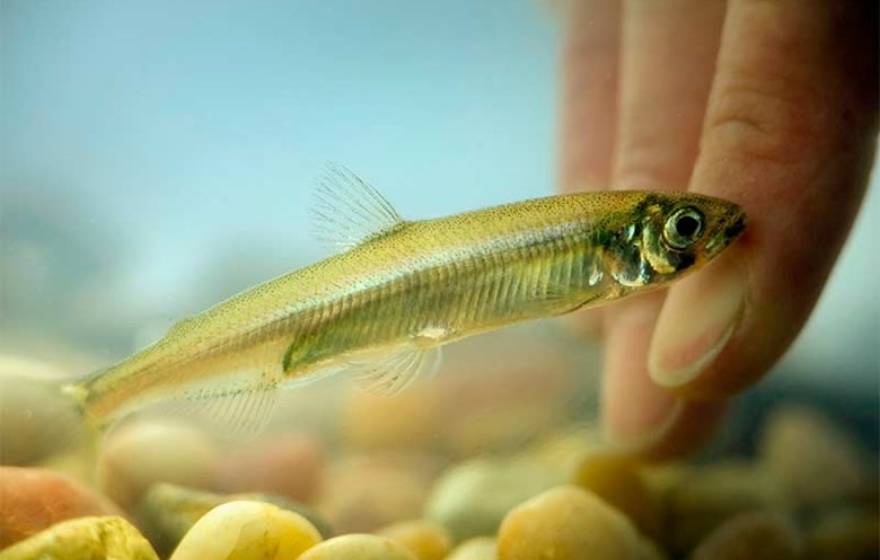
Endangered Delta smelt may be extinct
Latest trawl survey found six fish, instead of hundreds.
National Geographic |
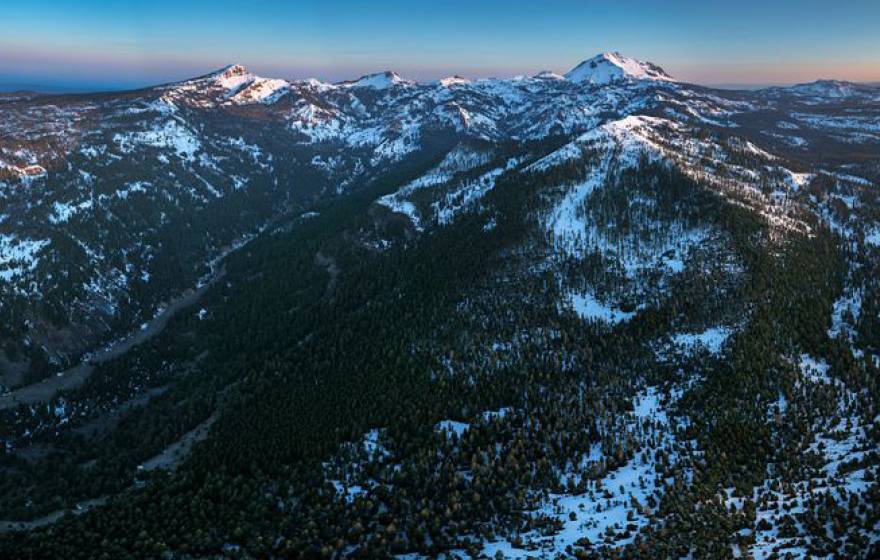
Lack of snow leaves California's water tower running low
Rising temperatures and declining snowpack in the mountains mean that the drought across the western U.S. is about to get even worse.
Capital Public Radio |
The cork-vs-screw cap debate goes on
Which one better preserves the flavor of wine? UC Davis wine chemist Andrew Waterhouse is on the case.
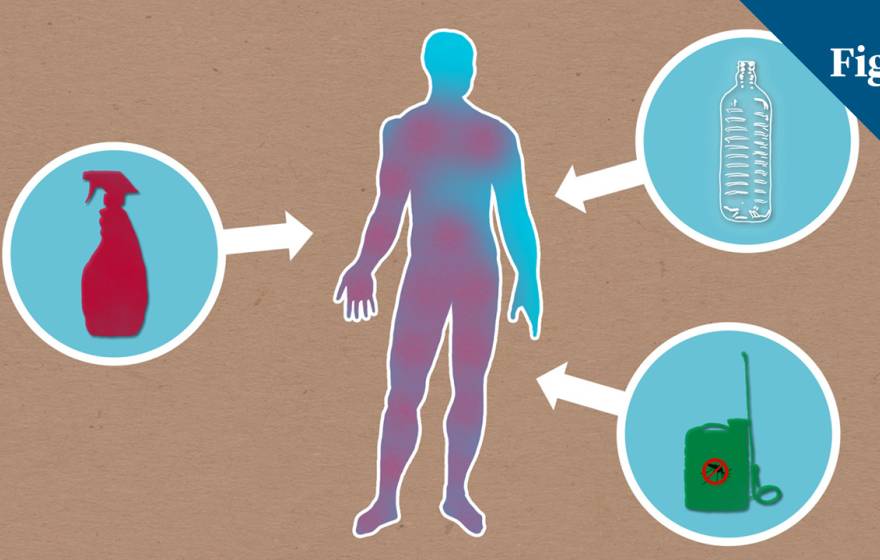
Fig. 1 by University of California |
How do our bodies fight off dangerous chemicals?
Cells are like night club bouncers, says UC San Diego's Amro Hamdoun: With every substance that a cell encounters, it has to decide which to eliminate and which to let in.
Los Angeles Times |
California is rife with laws used to harass homeless
Op-ed co-authored by a Berkeley law professor addresses the proliferation of vagrancy laws in California — and which cities lead the pack.
Daily Mail |
Science behind the faces of meth
Images of crystal meth addicts show clearly how the drug drastically alters a person's appearance. Now, Daniele Piomelli and others at UC Irvine have discovered how the drug affects the body's cells to speed up aging.

KGO TV |
Want to lose weight? Just chill
Most people trying to lose weight would expect to break a sweat, but a UC Irvine researcher has a different idea. In fact, he recommends chilling out... literally.

Scientific American |
What on earth made these perfect fossil rings?
They're 492 million years old and are in Wisconsin, and researchers at UC Riverside want your help in figuring them out. (There's a prize for whoever comes up with the best 'natural explanation.')