
New York Times |
The troubles of building where faults collide
A stalled project to build two skyscrapers has become a symbol of whether developers can withstand the complications of working in quake-prone L.A.
UC Research Tumblr |
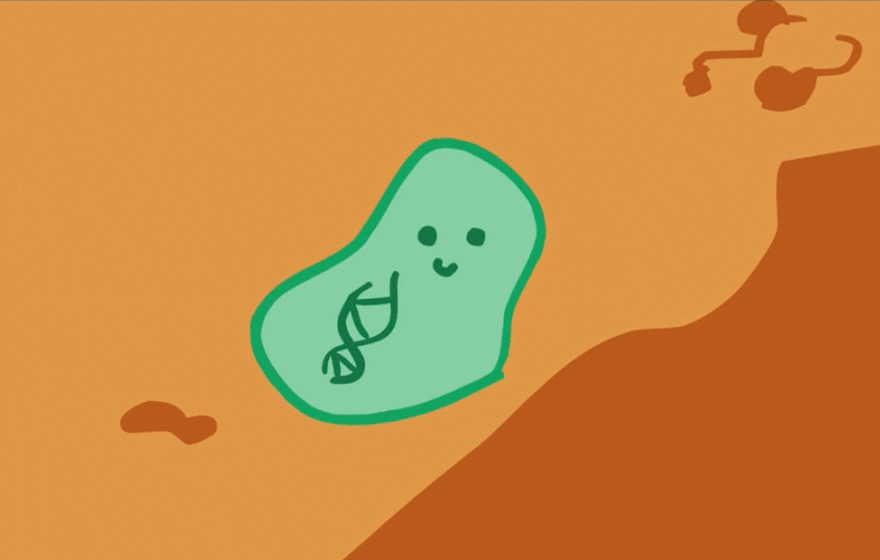
Microbial Dark Matter Video
Researchers estimate there are more undiscovered microbes on earth than stars in the sky, and UC scientists are part of the effort to illuminate this microbial "dark matter."
NPR |
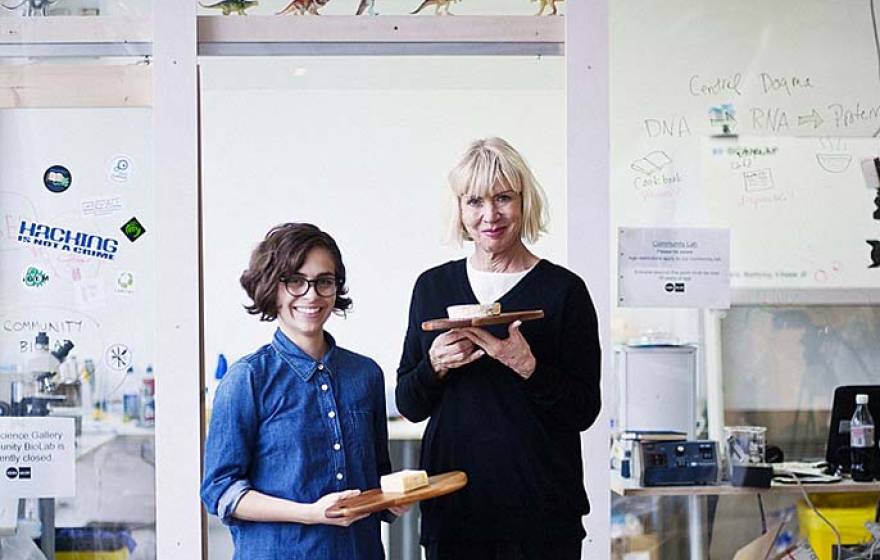
Would You Eat Michael Pollan Microbe Cheese?
Making your own cheese and yogurt is all the rage. Now a UCLA scientist has taken the DIY craze to an entirely new level: making cheeses using the microcritters on human skin.
NPR |
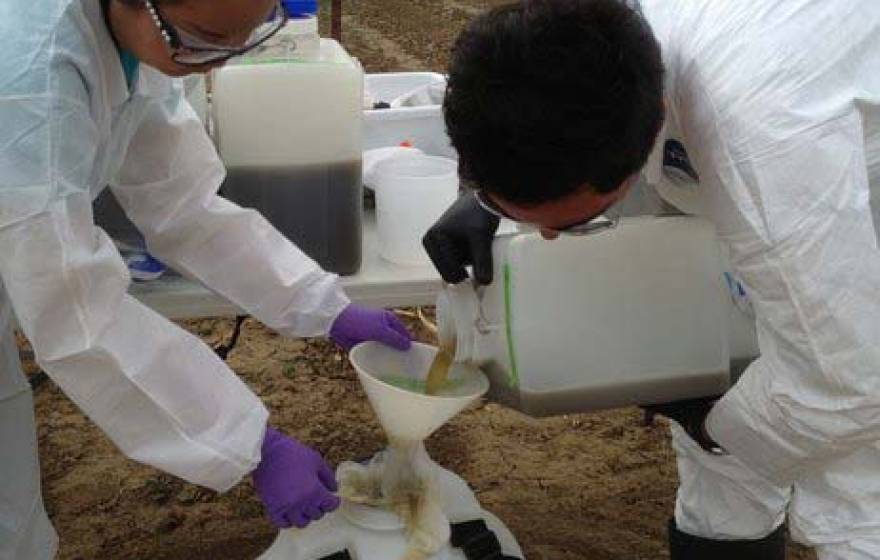
Slathering spinach fields in poop, in the name of science
UC Davis scientists are mixing raw manure with salad greens in order to help protect us from E. coli and other food-borne bacteria.
Futurity |
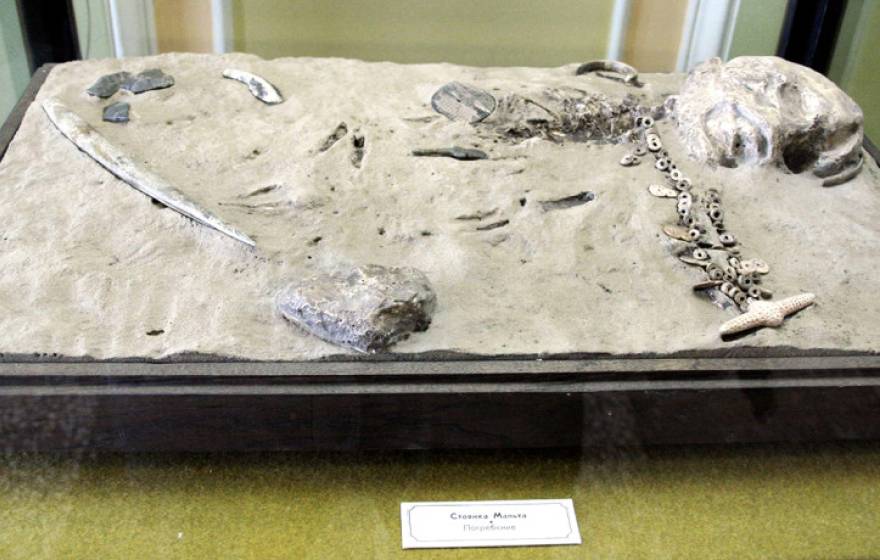
Boy's 24,000-year-old skeleton links Native Americans to Siberia
Nearly 30 percent of modern Native Americans' ancestry came from this youngster’s gene pool.
National Public Radio |
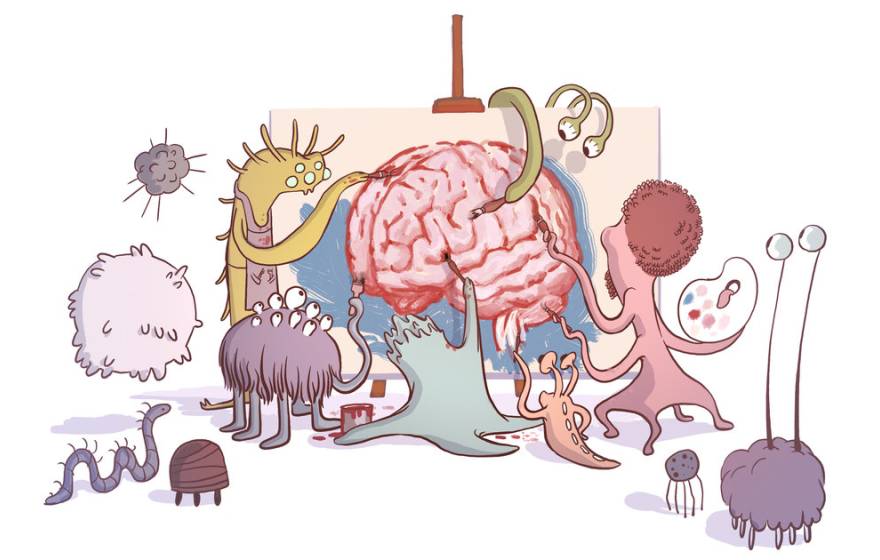
Gut bacteria might guide the workings of our minds
Could the microbes that inhabit our guts help explain that old idea of "gut feelings?" There's growing evidence that gut bacteria really might influence our minds.
The Atlantic |
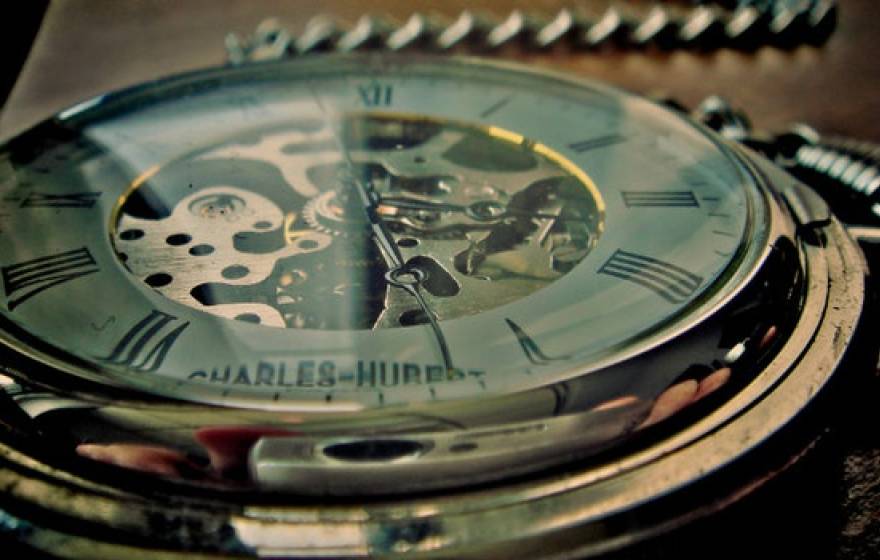
How many of your memories are fake?
When people with super memory — those who can remember what they ate for breakfast on a specific day 10 years ago — are tested for accuracy, researchers find what goes into false memories.
CBS |
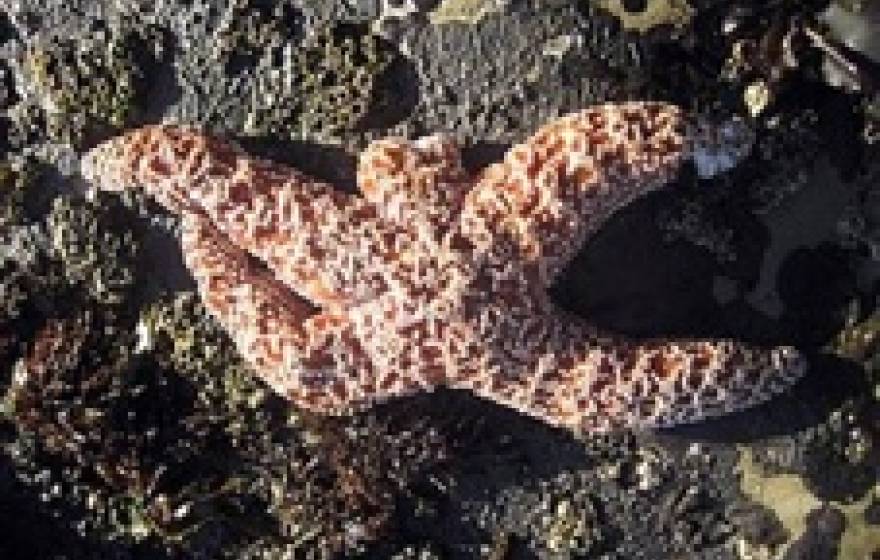
Widespread starfish deaths reported on West Coast
Marine scientists are finding many dead starfish stricken with a disease that causes the creatures to lose their arms and disintegrate.

New York Times |
Oarfish offer chance to study elusive animal
Two oarfish were found off the California coast last month, giving marine biologists a rare opportunity to study a creature long thought a monster.
UC Irvine |
Fighting malaria in the 21st century
Vector biologist Anthony James takes a fresh look at how mosquitoes transmit malaria and other diseases.
NPR: All tech considered |
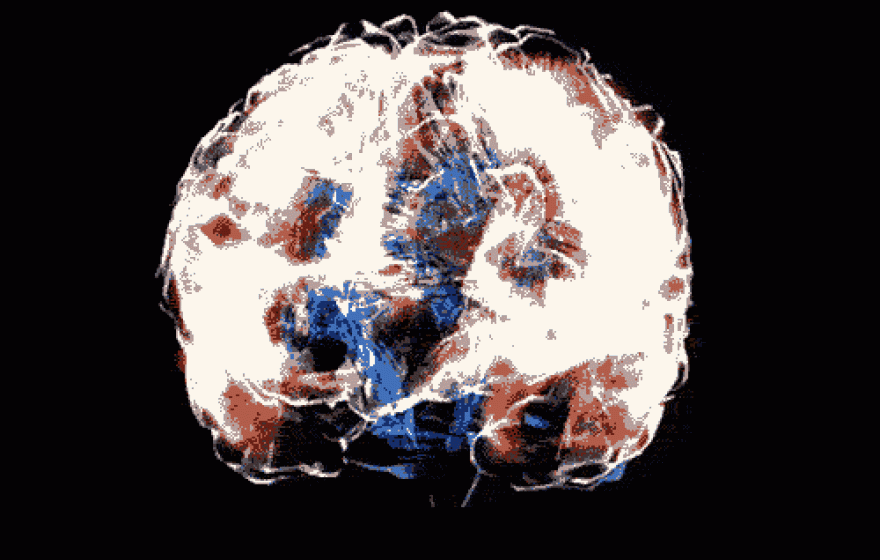
Musician Mickey Hart's Brain On Music
Musician Mickey Hart worked with UCSF researchers to develop representations of his brain in light and music.
UC Research Tumblr |
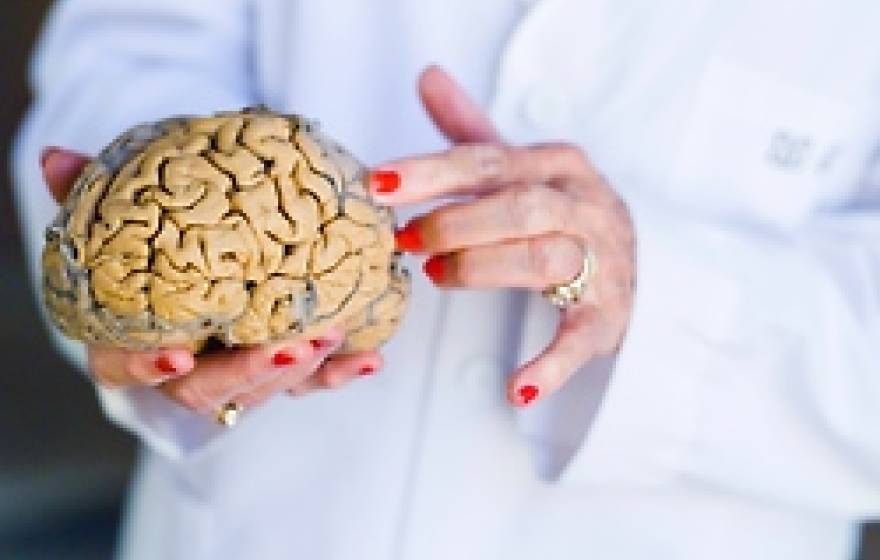
Einstein’s Brain…and the neuroscientist who studied it
Marian Diamond, the first female student in the department of anatomy at UC Berkeley, researched Einstein's brain.