The Weather Channel |
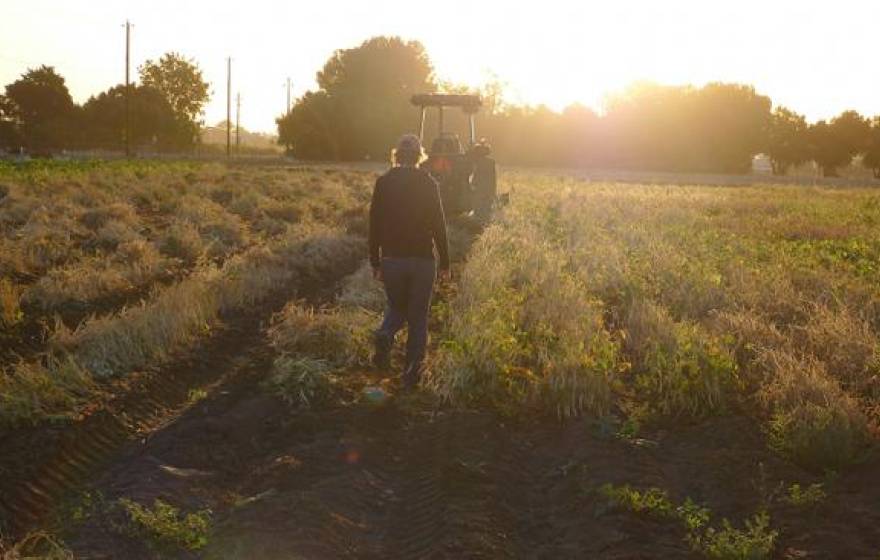
Women who are feeding the world
A recent UC Davis forum, focused on women's role in agriculture, featured images of women working to sustain life and economies around the world.
UC Natural Reserve System |
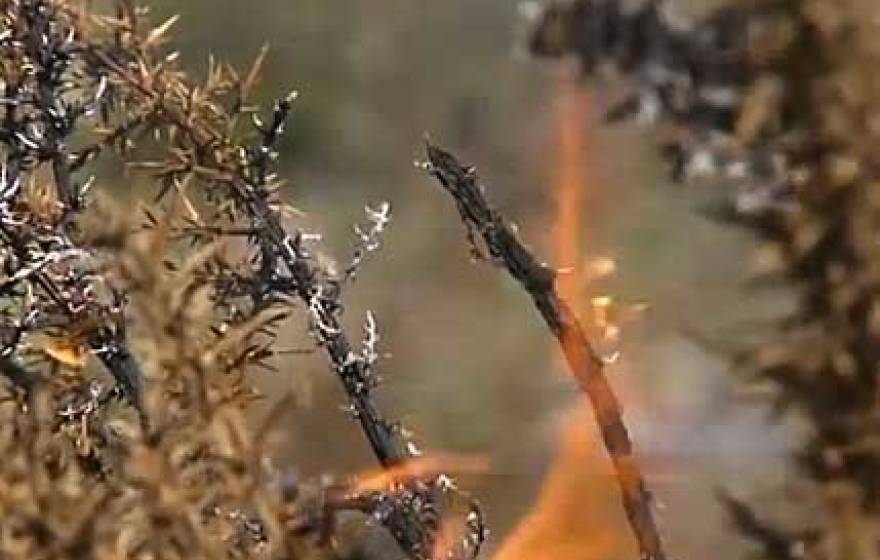
Drought, fire and flood
Explore how the the nature of highly seasonal rainfall cycles and periodic fires create conditions that have shaped Mediterranean climate ecosystems.

Time |
Mexicans are the most successful immigrants
"Tiger Mom" may be off base: UC Irvine/UCLA study of Los Angeles immigrants finds that when we measure success as progress from generation to generation, Mexican-Americans come out ahead.
San Francisco Chronicle |
Biotech startup turns to crowdfunding
With venture capital funds dwindling, entrepreneurial scientists are turning to online crowdfunding sources.
KCBS-AM/FM |
Kelp eyed for Fukushima radiation
Researchers are analyzing ocean vegetation to try to detect radioactivity stemming from the quake- and tsunami-damaged nuclear plant in Japan.
Circle of Blue |
Drought saps water reserves above and below ground
Satellite data reveals extent of the shortage. UC Irvine's Jay Famiglietti weighs in on the crisis.
New York Times |
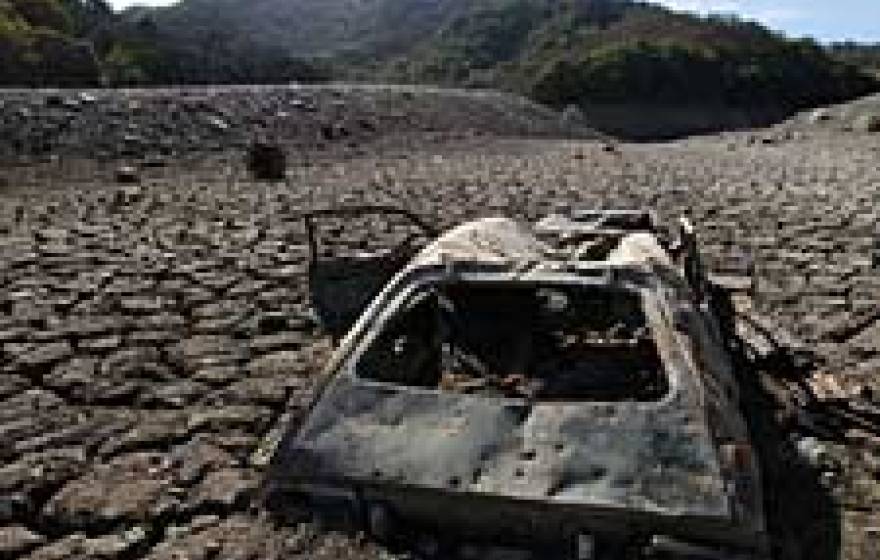
Severe drought has U.S. West fearing worst
Is this a 500-year drought? A UC Berkeley researcher says it is. Residents, farmers and ranchers are threatened by dwindling supplies of water.
Los Angeles Times |
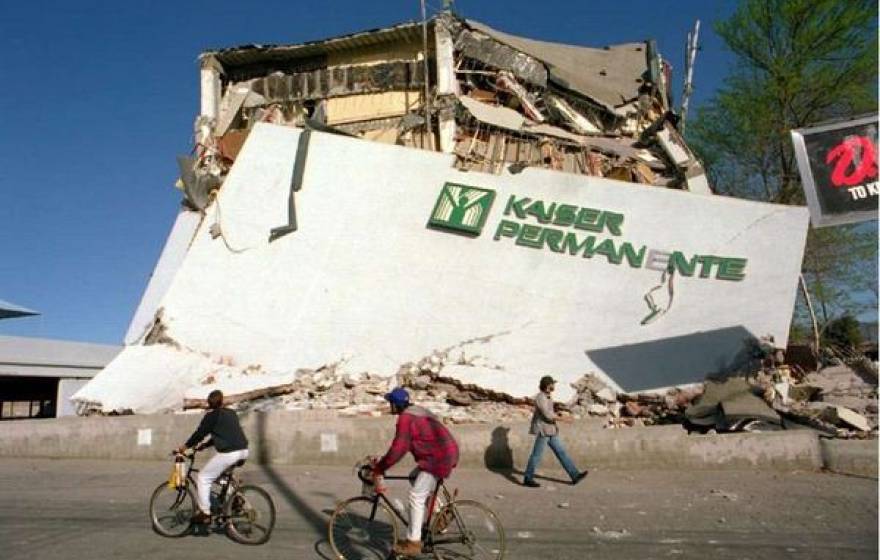
UC quake researchers give L.A. list of old concrete buildings
City officials get first look at identifying concrete buildings most likely to fail in an earthquake — and it could help officials take steps to strengthen the structures.
San Diego Union-Tribune |
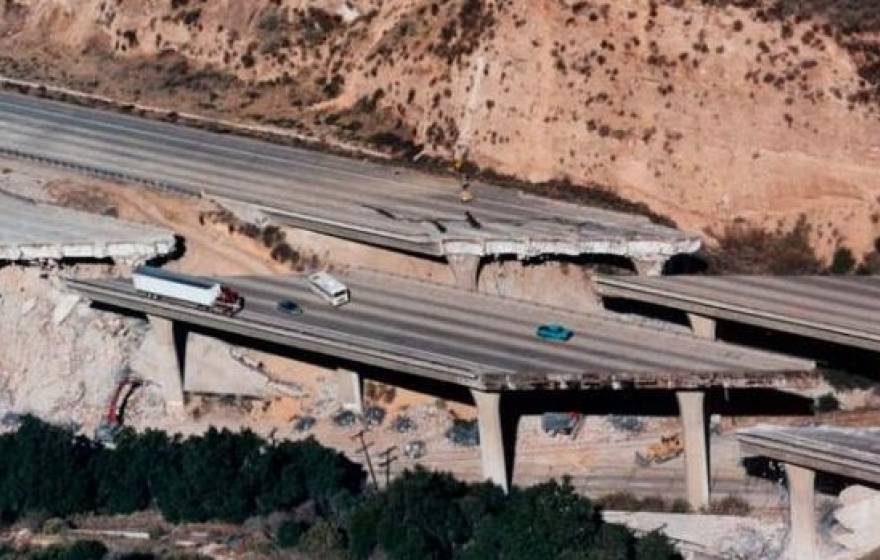
Are we safer 20 years after Northridge quake?
Scientists — including researchers at UC San Diego — say they've made great progress identifying and understanding the faults that pose danger in Southern California.
UC Santa Cruz |
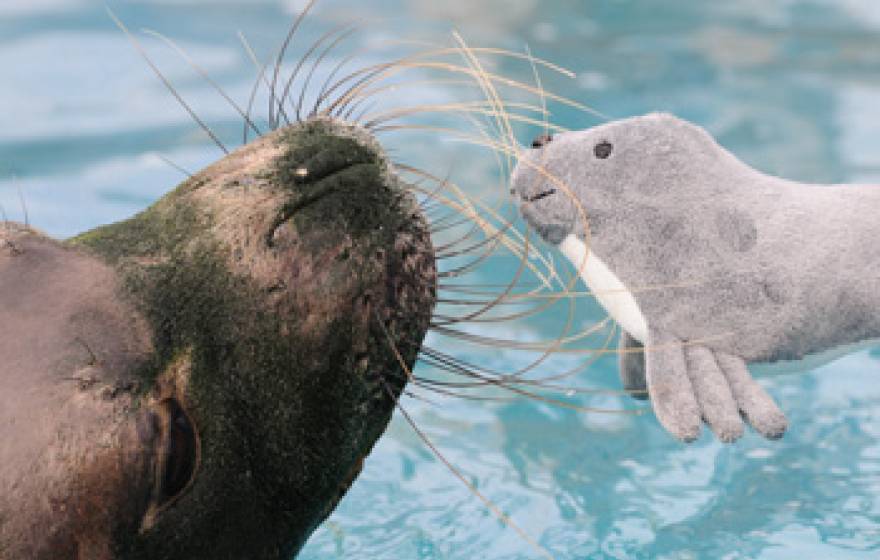
Toy seal raises funds for the real thing
Marine biologist launches a limited run of cuddly 'Real Seal' toys — one for each of the 1,100 Hawaiian monk seals left in the world.
NPR |
How to engineer the perfect cookie
The food and science folks at UCLA extend their expertise to cookies. Chemistry, they say, is the key to great baking.

KCET |
Race, class, fear and shame: transit barriers
UC Irvine study reveals bias against public transit trumps convenience and transit-first urban planning.