
A landmark accomplishment for the campus, two years ahead of its goal.

UC Newsroom |
The true cost of free shipping
Online shopping isn’t helping the climate-change fight — but there are simple solutions.
UC Newsroom |
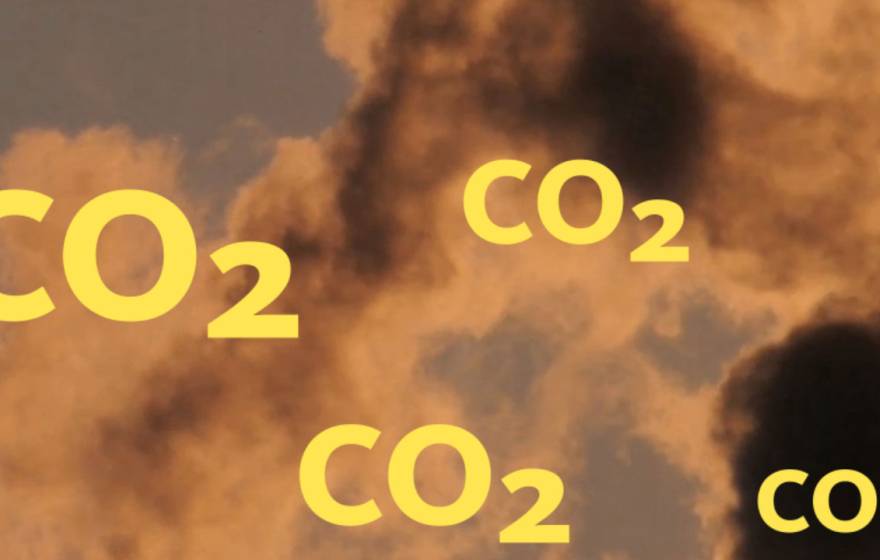
How we can recycle CO2 to make eco-friendly concrete
UCLA researchers take aim at a surprisingly large source of greenhouse gas emissions: concrete.
UC Newsroom |
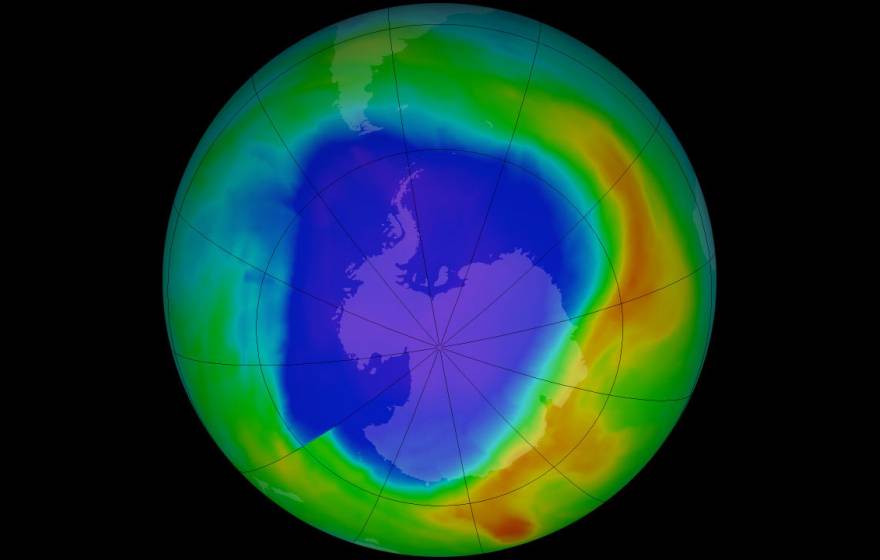
Stopping an environmental disaster before it’s too late
How UC research sounded the alarm on the ozone layer.
UC Santa Cruz |
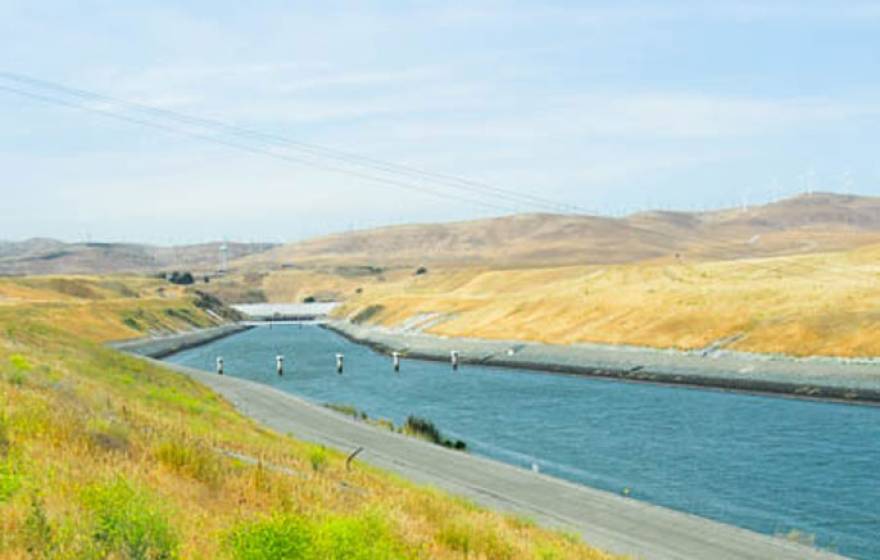
Could California put solar panels on top of canals?
Scientists at UC Merced and UC Santa Cruz are exploring a potential project to combine renewable energy with water conservation.

UC Newsroom |
UC to ditch single-use plastics
The University of California is taking a stand against the throwaway culture that is choking our oceans and landfills with single-use plastics.
UC Newsroom |
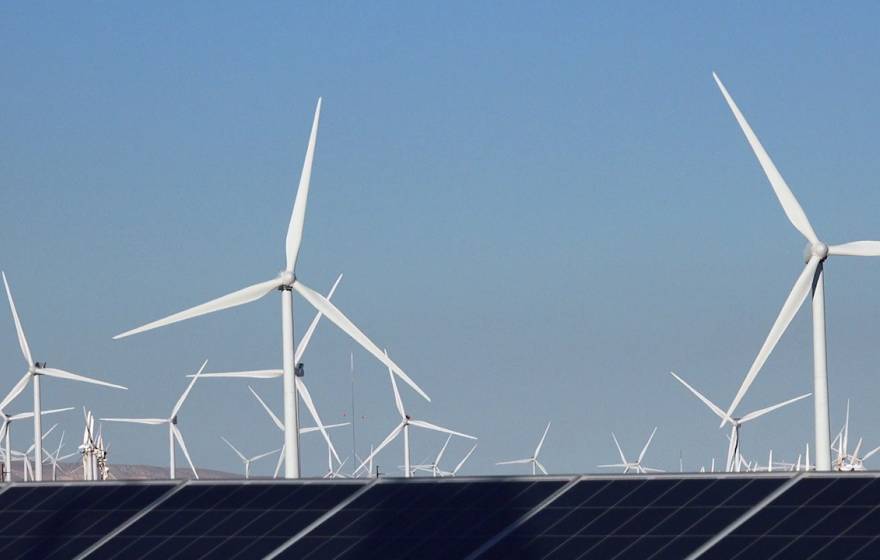
UC makes bold commitment to 100 percent clean electricity
The university pledges to transition to clean energy by 2025.

UC Newsroom |
What the battle over scooters gets wrong
The problem isn't what's on our streets. It's the streets themselves.

UC Newsroom |
Can behavioral psychology help stop food waste?
Sustainable dining is a huge deal on college campuses today, and the University of California, Santa Barbara is no exception. In fact, for years they’ve been taking an innovative approach towards reducing food waste by using behavioral psychology techniques to help diners reduce waste, often without even knowing it.

UC Newsroom |
Quiz: Do you know how your diet affects the planet?

UC Newsroom |
Can farmed fish feed the world sustainably?
The world’s population is expected to soar by an additional 2.5 billion people by 2050, bringing a host of global challenges – including how to feed so many hungry mouths.
UC Davis |
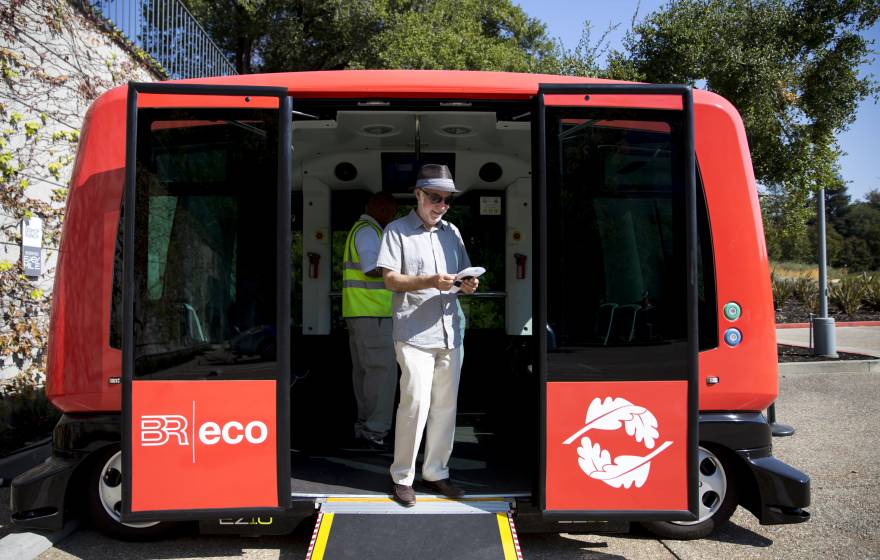
Driverless cars could be a solution to climate change, but two things have to happen
Driverless vehicle use worldwide could lower traffic congestion and emissions contributing to climate change by 50 percent or more in 2050, according to a 2017 report led by global transport expert Lewis Fulton at the Institute of Transportation Studies at UC Davis (ITS-Davis).