
At a time when nativism is on the rise, a new study reveals the universality of human emotional expression.

UC Newsroom |
The evolutionary advantage of the teenage brain
Research is showing that the behaviors of teenagers aren’t just there to annoy parents. They serve a real evolutionary purpose.

UC Riverside |
America’s most widely consumed cooking oil causes genetic changes in the brain
Soybean oil is linked to metabolic and neurological changes in mice in new research.

UC Newsroom |
Want to ace your tests? Take notes by hand
Even a brand new laptop won't give you an edge over pen and paper.

UCLA |
Can artificial intelligence tell a polar bear from a can opener?
How closely do deep learning computer networks mimic the human brain? There's still a long way to go, psychologists find.

UCSF |
Artificial intelligence can detect Alzheimer’s disease in brain scans 6 years before a diagnosis
A machine-learning algorithm diagnosed early-stage Alzheimer’s disease using a common PET scan.

UC Berkeley |
How poor sleep can ruin your social life
People found sleep-deprived individuals to be more socially unattractive, and felt lonelier after interacting with them.

UC Newsroom |
Thank Instagram and Snapchat for your fading memories
Documenting your life may come at the cost of actually being able to remember it.

UCLA |
Curcumin improves memory and mood, new study says
Lovers of Indian food, give yourselves a second helping. The compound found in turmeric has new benefits.
UC Berkeley |
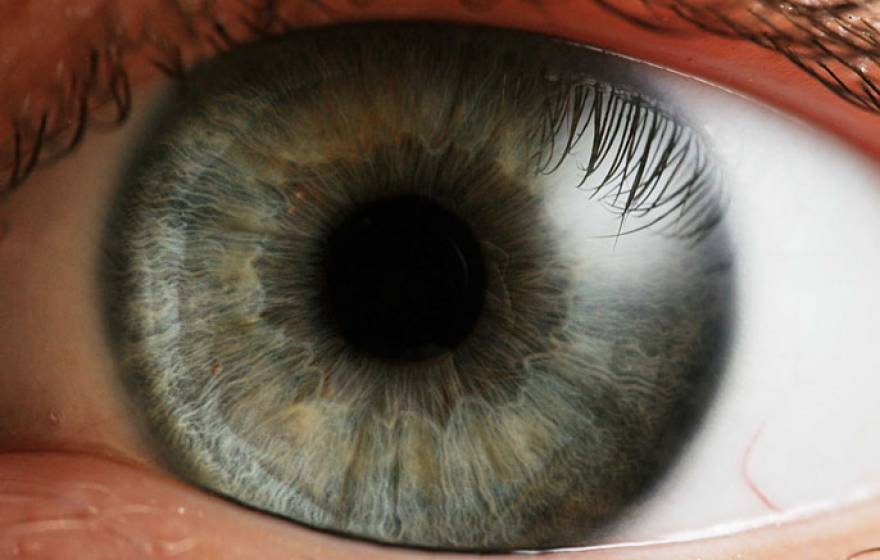
Scientists discover potential treatment to stop glaucoma in its tracks
It's a major step forward against a leading cause of blindness that affects 80 million worldwide.
UC Berkeley |
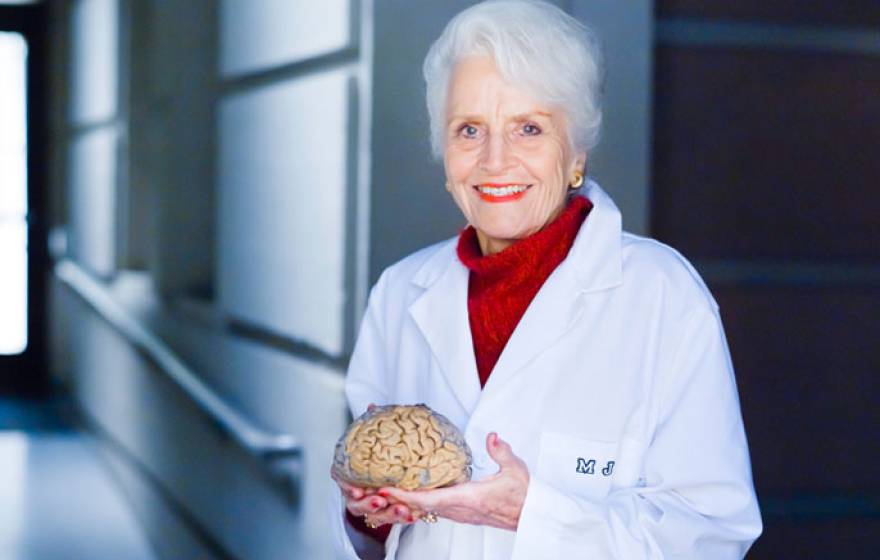
Marian Diamond, known for studies of Einstein’s brain, dies at 90
Renowned educator and scientist discovered brain plasticity and shared her love of anatomy with millions.
UC San Diego |
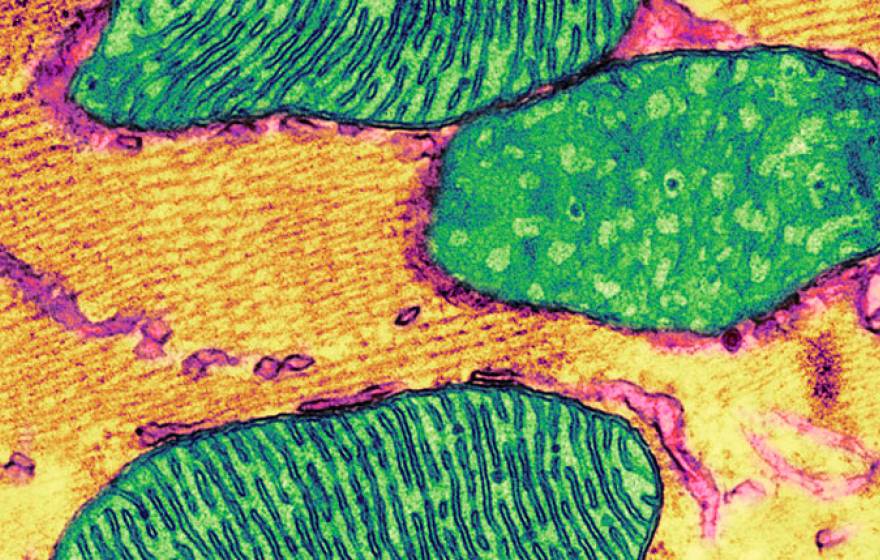
Century-old drug could provide new approach to autism
A single dose produced groundbreaking improvements in language and social behavior, giving hope to families.