The University of California’s academic health centers delivered a net total of $1.4 billion of community benefits during the 2018-2019 reporting period, the most recently completed fiscal year.
University of California Health |
University of California Health delivered $1.4 billion in community benefits during past reporting year
UC Health |
All University of California academic health centers receive environmental sustainability awards
The University of California’s health systems received a total of 13 environmental sustainability awards in Practice Greenhealth’s 2020 Environmental Excellence Award competition.
UC Health |
UC hospitals gradually resume essential services based on 10 principles
The University of California’s hospitals announced today (May 4) a gradual resumption of essential services at all five medical centers across the state.

UC Newsroom |
The evolutionary advantage of the teenage brain
Research is showing that the behaviors of teenagers aren’t just there to annoy parents. They serve a real evolutionary purpose.
UC San Francisco |
Why experts are urging social distancing to combat coronavirus outbreak
The virus is already in our communities, so the focus now is to reduce the damage from the disease.
UC Office of the President |
UC experts take on COVID-19
The University of California has been on the front lines in the fight against SARS-CoV-2, the virus that causes COVID-19, since the earliest indications of its emergence in China. From top-flight medical care to groundbreaking research, UC’s scientists and physicians across its 10 campuses and five academic medical centers are part of the global effort to treat, understand and ultimately defeat the virus.

UC Riverside |
America’s most widely consumed cooking oil causes genetic changes in the brain
Soybean oil is linked to metabolic and neurological changes in mice in new research.
UC Office of the President |
UC statement on passing of Kaiser CEO Bernard J. Tyson
University of California President Janet Napolitano and UC Health’s Executive Vice President Dr. Carrie Byington issued a statement today (Nov. 10) following the passing of Bernard J. Tyson, CEO and chair of Kaiser Permanente.

UC Newsroom |
Why Congress is moving forward from turning the clocks forward
Changes to time, and routine, can mess with our sleep. That doesn't just hurt our physical health — it makes us lonely.
UC Office of the President |
Dr. Carrie L. Byington takes the reins at UC Health
Dr. Carrie L. Byington started as executive vice president of UC Health today (Oct. 31). The University of California Board of Regents appointed Byington at its July meeting to lead the university’s health enterprise following a nationwide search.
UC Santa Barbara |
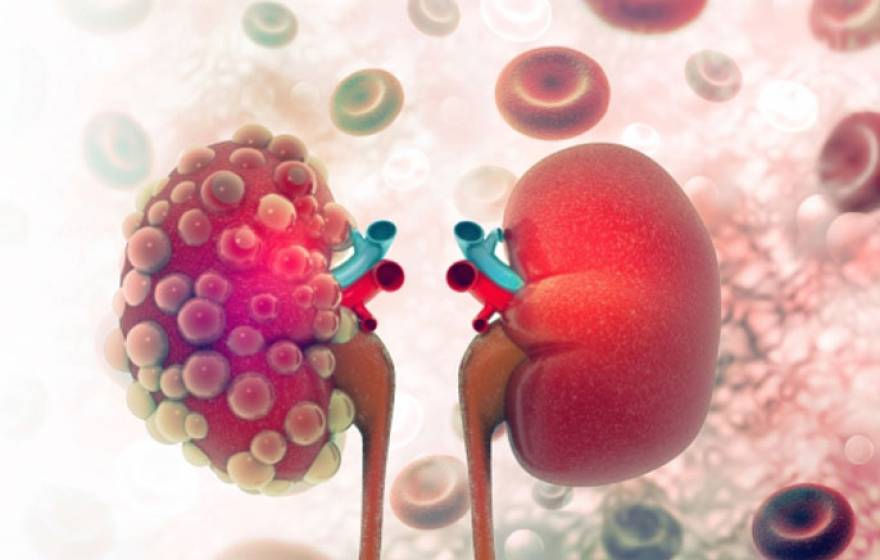
Reversing polycystic kidney disease
The inherited disorder has long been thought to be irreversible, but changes to diet could provide hope.

UCSF |
Like to wake up really, really early? You're not quite one in a million — but you are 1 in 300
A genetic trait may be behind those who thrive on very-early-to-bed, very-early-to-rise lifestyles.