Updated January 28, 2026
For today’s college students, climate change can feel both impossible to avoid and impossible to solve. On campus and back home, fires, heat waves, floods, storms and droughts are taking a toll on students’ health and well-being, and causing disruptions to families, livelihoods and communities. Meanwhile, the news is full of headlines about the escalating crisis.
So it’s no surprise that a 2023 survey of 16–25-year-olds in all 50 states found that 85 percent of respondents were at least moderately worried about climate change and 42 percent said climate change affected their mental health.
A University of California course offered at all 10 campuses is designed to help students explore and process social distress, learn resilience skills, and find effective ways to get involved and work for change.
About the course
The UC Eco-Resilience course launched at eight campuses in 2024, and in 2025 expanded to all ten campuses. Throughout the course, students watch short talks by leaders and experts from California and around the world. They also meet weekly for small-group sessions co-facilitated by a professor and a mindfulness expert, to discuss course material and pursue a collective project focused on climate and social action.
The program combines expertise from across UC campuses, including:
● Psychology of stress and resilience
● Climate and social change research
● Behavioral science
● Community-based participatory learning
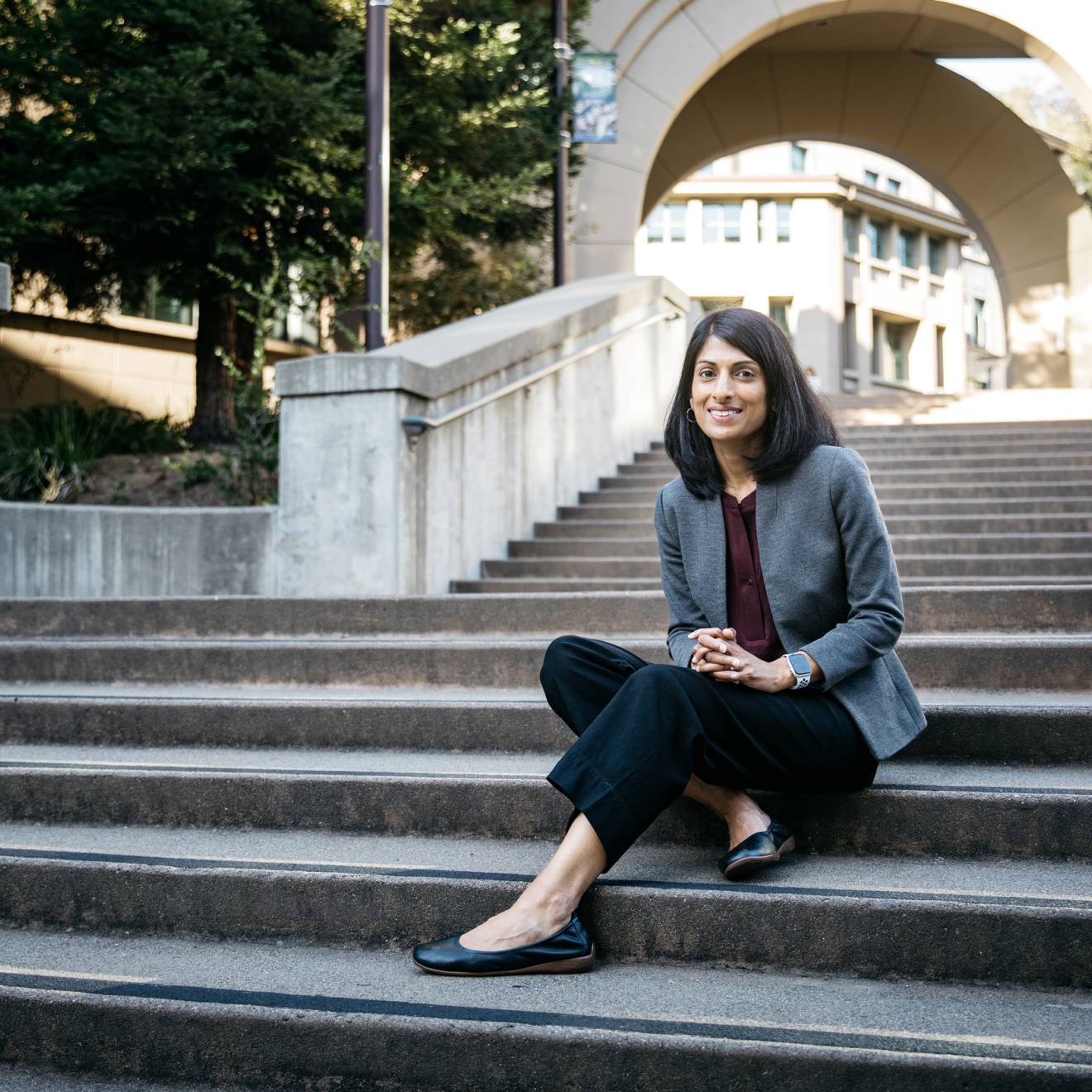
“Students are deeply worried about the future of the planet. We want to give them tools that allow them to stay grounded, connected, and active in impactful ways together,” says the course's co-creator Dr. Elissa Epel, professor of psychiatry at UC San Francisco. “Resilience isn’t passive — it's a skill set that supports sustained action.”
“California is a leader in climate related mitigation and adaptation policies, but so many of us feel there’s so much more that needs to be done. With this course, we’re asking: how do we shift from being in a state of distress and anxiety to being part of the collective movement for climate action?” says Jyoti Mishra, associate professor of psychiatry at UC San Diego. Mishra co-created the course and co-chairs the mental health council through the UC Center for Climate, Health and Equity, along with Epel and UC Davis professor Philippe Goldin.
“Within the 10-week quarter, we have seen transformative results for many students," Professor Goldin said. "They are going from feeling powerless and alone to feeling empowered, connected and engaged in solutions. And our preliminary data from brain EEG measures of response to negative images suggests they are showing improved neurophysiological resilience as well.”
“We acknowledge that there's a lot of anxiety on UC campuses about climate, and in some respects it makes sense that our students would have this perspective,” Mishra says. “With this course, we’re asking: how do we shift from being in a state of distress and anxiety to being part of the collective movement for climate action?”
Research-backed impact
Mishra, Epel, Goldin and colleagues launched the course in 2024 and designed a study to evaluate its effectiveness. In a 2025 paper in the journal MDPI Sustainability, the study found that course participants experienced:
● 16% decrease in overall climate distress
● 18% increase in ability to regulate and cope with intense emotions
● 24% increase in students’ perceived ability to influence local policy and action
● Enhanced outcomes among students with early life adversity, including a 32% increase in social well-being (compared to 13% among peers)
At UCLA, Professor Vickie Mays has started a second class focusing on the experience of Brown and Black communities. At UCSF Epel and co-teacher Sheri Weiser have opened the class up to members of the larger UC community. Some of the course mindfulness teachers and professors offered practices to the larger UC community during the Southern California fires in 2025.
Lasting legacy
UC Merced fourth-year psychology student Alyssa Dudley took the course in Spring 2025, taught by psychology professor Daniel Mello. The chance to work with her peers on a group project — putting in weekly hours working in UC Merced's campus garden — gave Dudley a sense of agency she said she's long been missing.
"I've been stuck on climate change for years and years, basically since I was a child," Dudley says. "This class gave me a chance to take all these ideas and questions I've had all that time, and to make a plan for them and to apply these ideas physically, in the real world. That took all my anxiousness and turned it into empowerment."
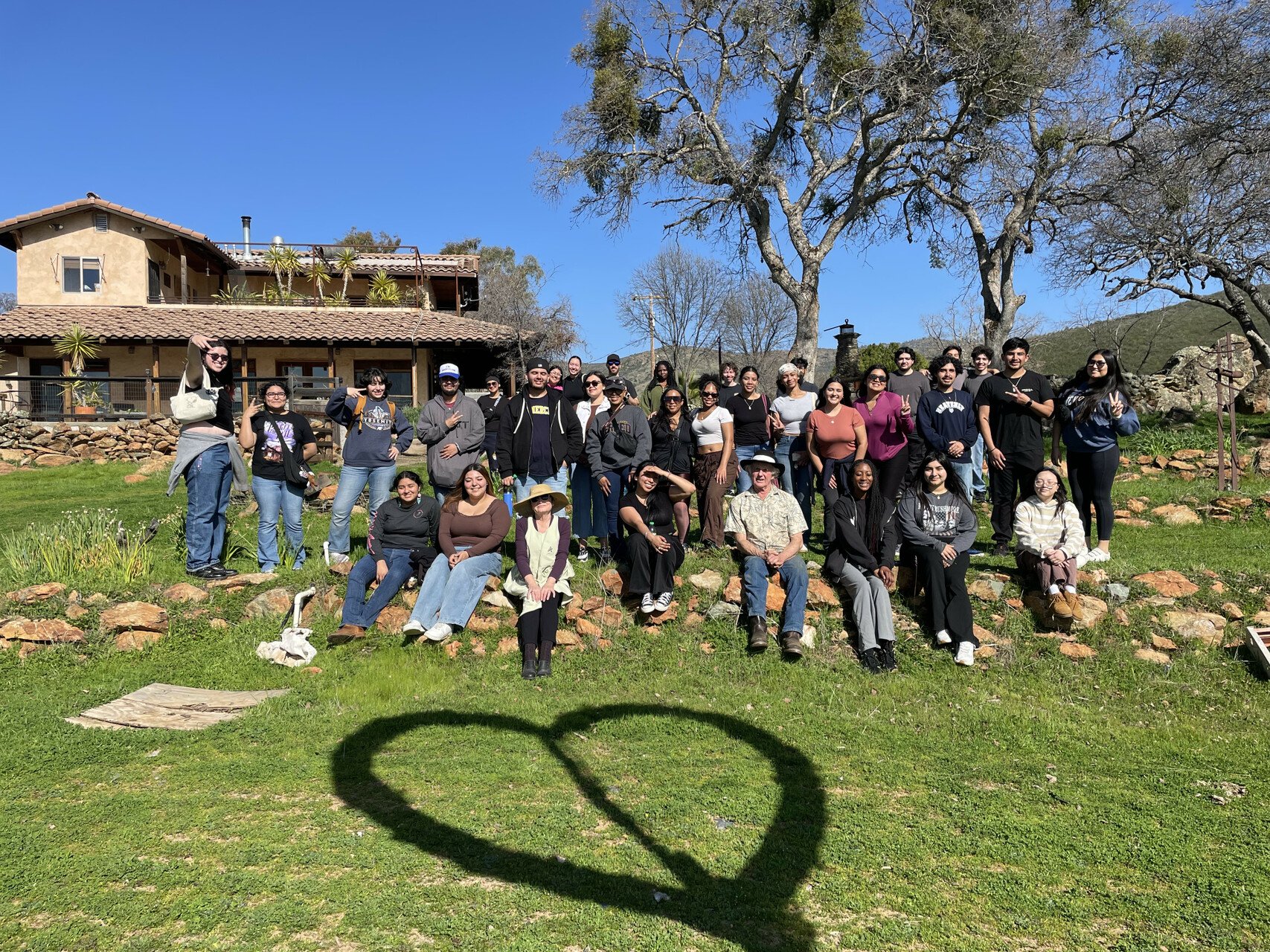
Dudley says she still thinks about experiences and ideas she encountered in the class every day, and taking the class changed her daily habits, from how she sorts her trash to what she chooses to buy.
"I encourage anyone who has the chance to take this class. It was very, very impactful for me," Dudley says.
Register for UC Eco-Resilience course for Spring 2026
Visit the UC Eco-Resilience site to find information on the course listings offered at every UC campus for Spring 2026, as well as UC professors who teach the course and guest lecturers.