
The University of California has saved approximately $620 million since 2010 by improving the energy efficiency of its facilities, with $100 million of those savings in 2024 alone.
These savings, reported in UC’s most recent Annual Sustainability Report, illustrate both the fiscal and environmental benefits of the university’s progress on reducing carbon emissions, generating less waste and consuming less water.
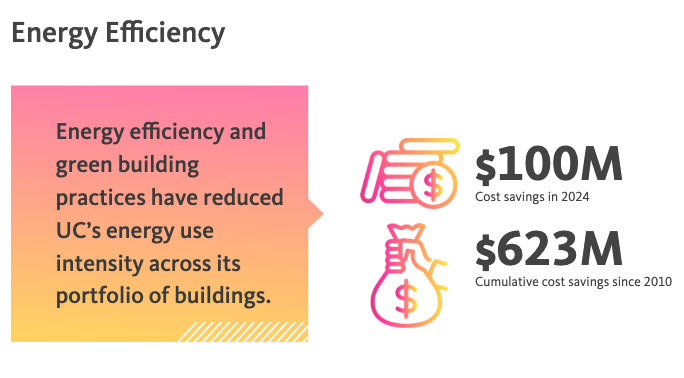
“There’s a general misconception that environmentally sustainable operations are more costly than doing business as usual,” says University of California Chief Financial Officer Nathan Brostrom. “But what we’ve found over 22 years of setting and meeting ambitious sustainability goals at the University of California is that environmental and financial sustainability are two sides of the same coin, because using resources more efficiently often cuts costs as well. Decision-makers across the university are prioritizing sustainability projects and programs that also provide cost savings.”
Read on to learn about more ways that sustainable practices are cutting costs across UC.
$670 million from replacing a fossil fuel power plant with renewable energy
UC Berkeley is on its way to replacing its 40-year-old central power and heat plant with an electrified heating and cooling system coupled with a thermal energy storage tank that will provide additional efficiency and resilience. It’s an ambitious plan requiring a big upfront capital investment, but the campus estimates the upgrades will save the university $670 million over 25 years, by avoiding the costs of purchasing fossil fuels and operating aging, inefficient infrastructure.
UC sustainability leaders engaged students, faculty and staff at every UC campus to chart a path toward cutting climate-warming carbon emissions, summarized in a milestone decarbonization report published in 2025.
Berkeley’s plan is included in a milestone report published last year detailing UC’s strategies to reach its goal of decarbonizing operations by 2045. The report, the culmination of a three-year process that engaged students, faculty and staff at every campus, includes the findings of state-funded studies at every campus on the most efficient ways to reduce carbon emissions while evaluating cost savings and updating infrastructure to support resilience and growth.
$11.7 million from reprocessing medical devices
Disposable is the default for many medical devices, from surgical instruments to blood pressure cuffs. But at all six UC Health locations, medical devices are reused wherever possible, by following a strict FDA-approved process for cleaning, disinfection, sterilization and testing devices to allow their safe reuse. In the past year alone, the university saved $11.7 million by reprocessing and reusing medical devices, and kept nearly a quarter million pounds of waste out of landfill.
$120,000 from swapping light bulbs
In the past year, UCLA Health replaced approximately 10,000 outdated fluorescent lights with more efficient LED bulbs. This single change saved $120,000 in utility costs, saved enough electricity to power a thousand homes for a month, and avoided carbon emissions equivalent to driving a gas-powered car over half a million miles.

12% from transforming an old lab into a state-of-the-art LEED Gold facility
Prioritizing sustainability can lead to significant construction cost savings. For instance, the UC San Diego Marine Conservation and Technology Facility is state-of-the-art lab that arose from the old concrete bones of a fishery building dating to 1963. Adaptive reuse led to a 12% cost savings for the project, which earned a LEED Gold rating from the U.S. Green Building Council, compared to building a new structure from scratch.
$174,000 from appliance upgrades
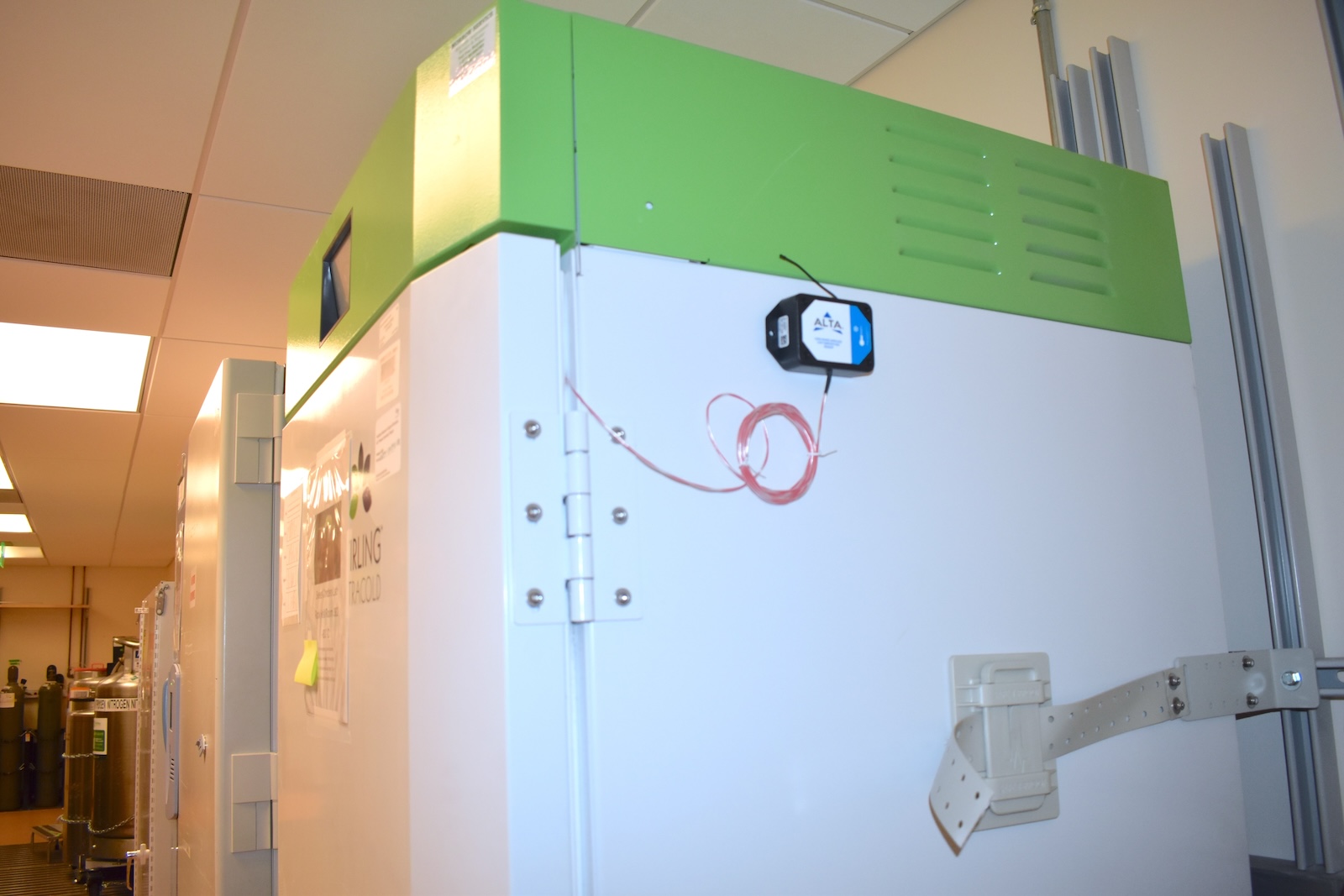
UC San Francisco swapped out over 130 specimen freezers with more energy-efficient models, saving $174,000 in electrical costs in just over a year. At this rate, the new freezers will pay for themselves in eight years. A report on the pilot program found that swapping the campus’s remaining freezers would add up to $2.3 million in energy cost savings each year.
Explore UC’s sustainability leadership
Dive into the history and progress of UC’s leadership in sustainability in the 2025 UC Annual Sustainability Report.
Read Evaluating decarbonization strategies across the University of California, the 2025 report detailing UC’s recommendations for eliminating its carbon emissions by 2045.