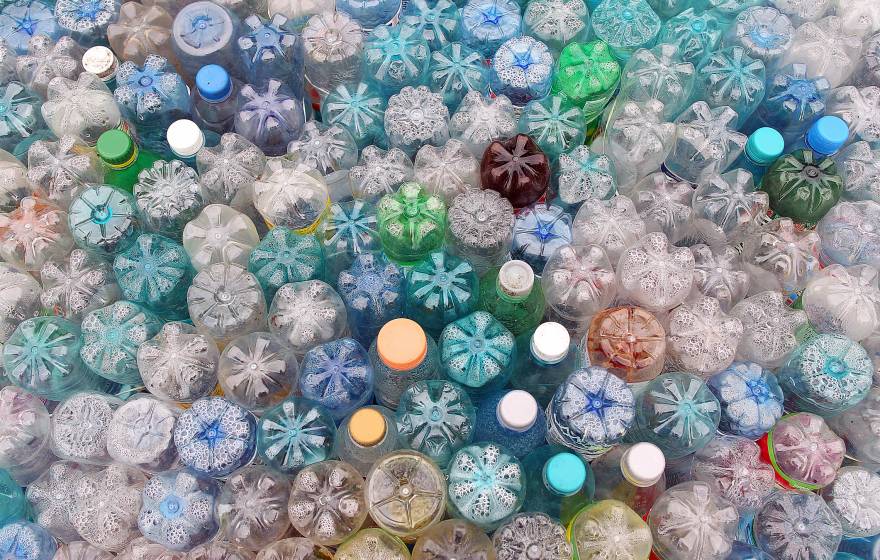
More than 8.3 billion metric tons (9.1 billion tons). That’s the amount of plastic humans have created since the large-scale production of synthetic materials began in the early 1950s. It’s enough to cover the entire country of Argentina, and most of the material now resides in landfills or in the natural environment.
UC Santa Barbara |
How do we break our addiction to plastic?

UC Newsroom |
Can behavioral psychology help stop food waste?
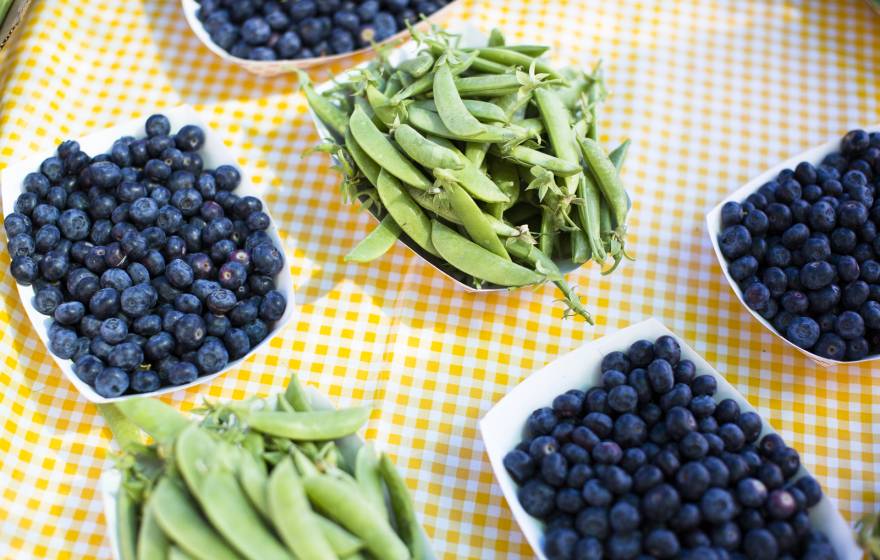
Sustainable dining is a huge deal on college campuses today, and the University of California, Santa Barbara is no exception. In fact, for years they’ve been taking an innovative approach towards reducing food waste by using behavioral psychology techniques to help diners reduce waste, often without even knowing it.
UC Newsroom |
Quiz: Do you know how your diet affects the planet?

UC Newsroom |
Can farmed fish feed the world sustainably?
The world’s population is expected to soar by an additional 2.5 billion people by 2050, bringing a host of global challenges – including how to feed so many hungry mouths.

Scientific American |
The window is closing to avoid dangerous global warming
Climate change poses an existential risk to humanity, and the risk is rising, according to new UC research.
UC Newsroom |
The war on climate change: Are we at a new tipping point?
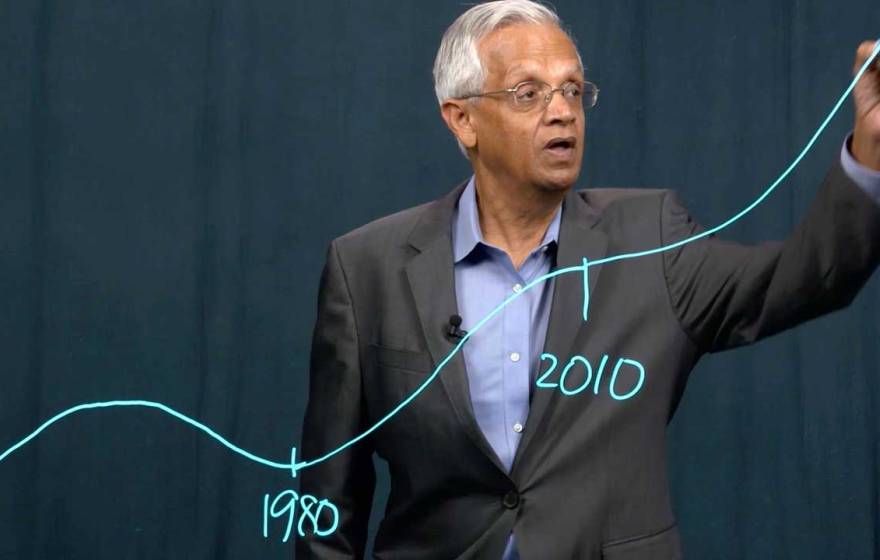
For four decades UC San Diego atmospheric scientist Veerabhadran "Ram" Ramanathan has warned that carbon dioxide and other emissions from human activity are heating up the planet. One of the first scientists to predict global warming, his models of rising temperatures have proved remarkably accurate.
Orange County Register |
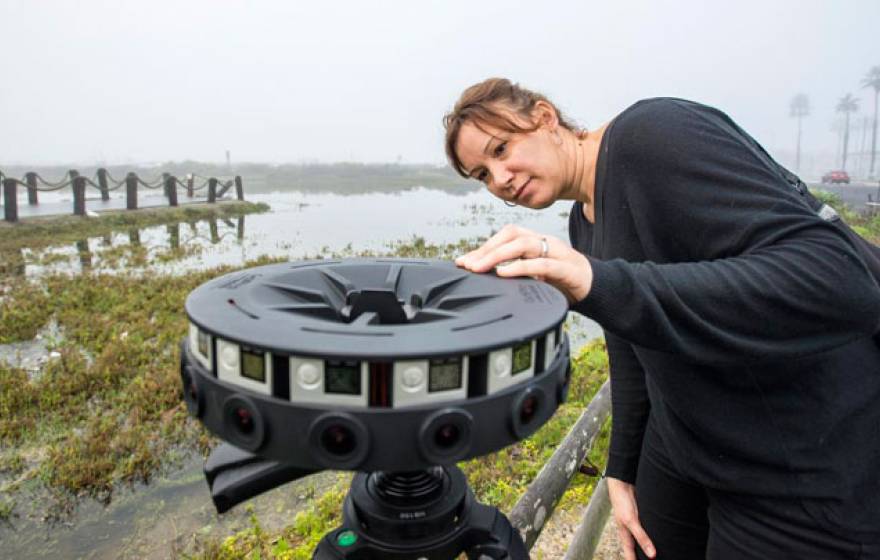
How scientists are using virtual reality to show people effects of global warming
UC Irvine connects new technologies with the scientific community.

ABC 7 |
California governor signs nation's toughest super pollutant restrictions law
UC San Diego professor Ramanathan heralds policy precedent for cutting global warming in half.
The Mercury News |
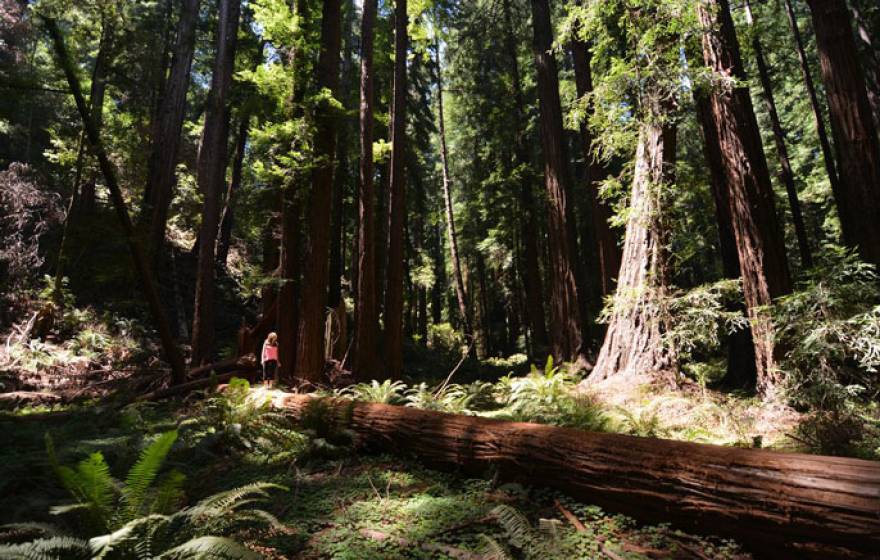
Are California redwood trees the answer to global warming?
California redwoods store more carbon than any other forests in the world, UC Berkeley-assisted study finds.

National Geographic |
Remember the ozone hole? Now there's proof it's healing.
UC Irvine sounded the alarm about CFCs. Now, scientists are finding evidence of positive change.

Bloomberg |
This stunning chart helped uncover climate change in 1959
How a UC San Diego chemist stumbled on some of the first proofs of global warming.