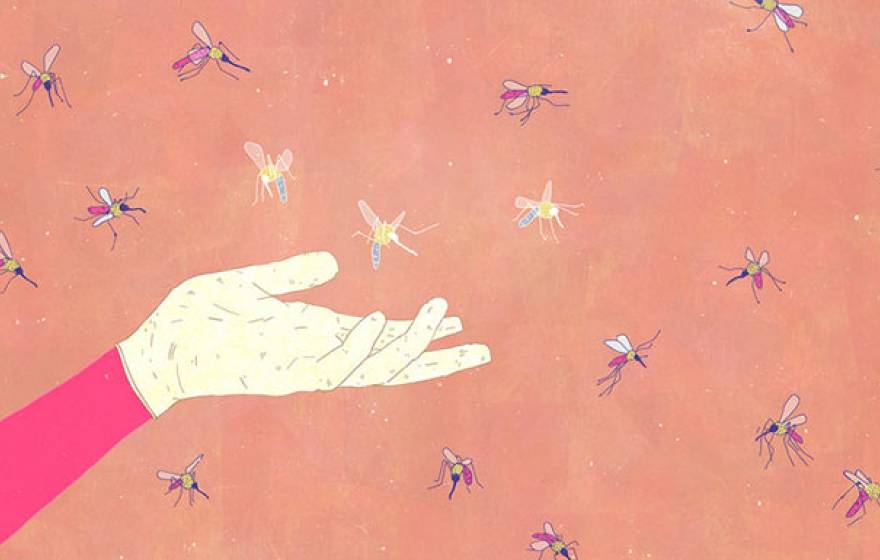
A genetic engineering technique raises hopes for eliminating diseases, such as malaria. But it is also sparking fears of unintended consequences if delicately balanced ecosystems are disrupted.
Davis Enterprise |
For UCD prof, organic, GE farming can coexist
UC Food Observer Rose Hayden-Smith talks with Pamela Ronald about farming methods that enhance sustainable agriculture.
BBC |
How cockroaches could save lives
UC Berkeley's roach-inspired robot is but one of a number of ways the much-maligned insect is influencing research.

Washington Post |
When an earthquake is coming, how can you get even a little warning?
UC and other researchers say they are getting closer to giving people a crucial minute or two of warning before a significant temblor.
San Francisco Chronicle |
Sharing a husband may improve health, wealth of family
A UC Davis study finds polygyny — one husband, more than one wife — might benefit some families, especially those living in countries where food insecurity is an issue.
San Francisco |
Student debt load in California fourth-lowest in nation
Despite rising tuition, graduates of California colleges continue to enjoy some of the lowest student debt loads in the nation.
Washington Post |
Why age discrimination is worse for women
A new study, featuring research out of UC Irvine, finds that older female workers face a hiring disadvantage in certain fields, which has serious consequences for their retirement security.
Santa Cruz Sentinel |
Cool Campus Challenge encourages carbon neutrality across UC schools
All 10 UC schools are participating in the Cool Campus Challenge, a systemwide initiative to encourage students, faculty and staff to take simple steps to reduce their carbon footprints. It’s part of the larger goal to make the entire UC system carbon neutral by 2025.
Fox & Hounds |
California higher ed still No. 1, but can we stay on top?
Good news: California still boasts nation’s finest public higher education system. Bad news: We cannot afford underfunding of public higher education without jeopardizing quality, access.
Los Angeles Times |
How the UC system is making patents pay off
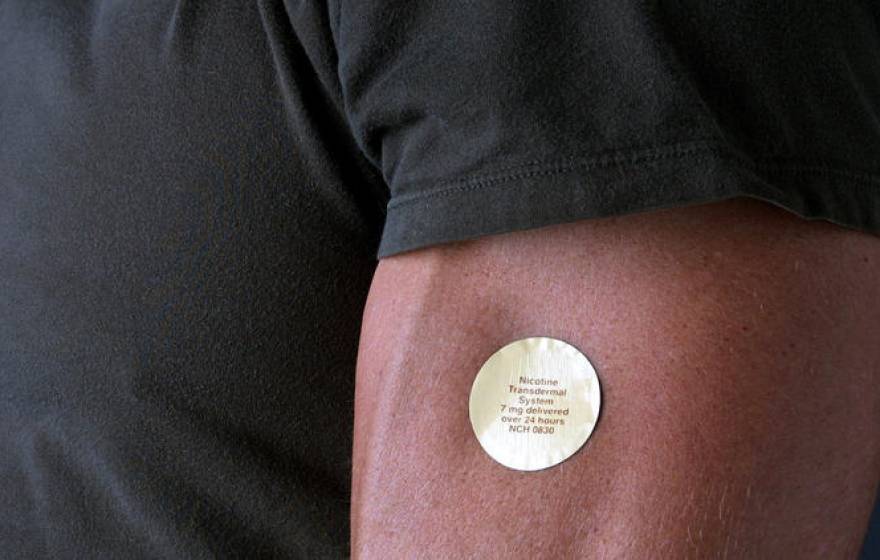
Hepatitis B vaccine, the nicotine patch, the tasty Camarosa strawberry: Those patented innovations have earned UC, and the faculty who developed them, more than $500 million.
New York Times |
Eating organic lowers pesticide levels in children
New research from UC Berkeley shows that switching from conventional to organic fruits and vegetables, even for just a few days, significantly reduces pesticide levels in children’s bodies.
San Francisco Chronicle |
UCSF researcher unveils promising new drug for MS patients
Late-phase trials found that the drug greatly reduced symptoms for progressive multiple sclerosis as well as a more common form of the disease.