Science Today |
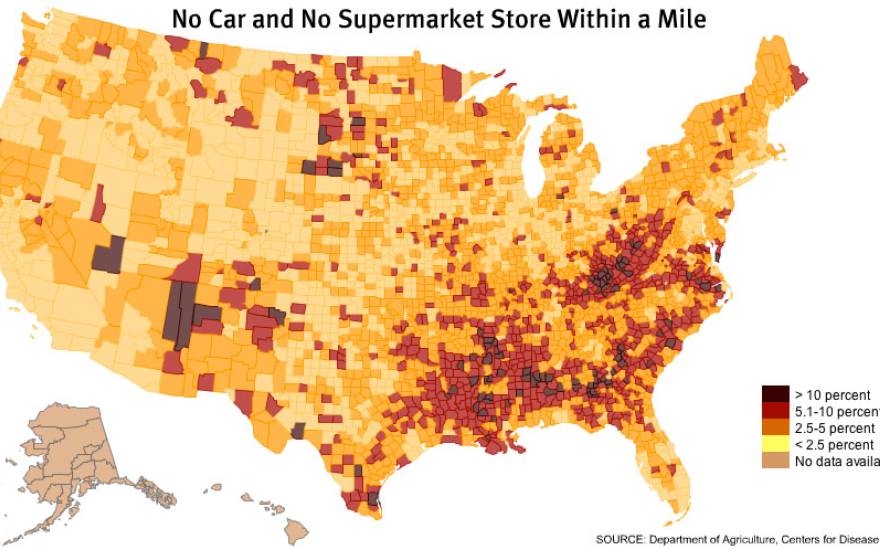
Do you live in a food desert?
Have you heard of food deserts? You may even live in one. The USDA defines a food desert as parts of the country that lack fresh fruit, vegetables and other healthy foods. They’re usually found in impoverished urban areas. Shashi Buluswar, the executive director of the Lawrence Berkeley National Laboratory’s Institute for Globally Transformative Technologies, explains why healthy foods are often not available in low-income neighborhoods.
Lawrence Livermore Lab |
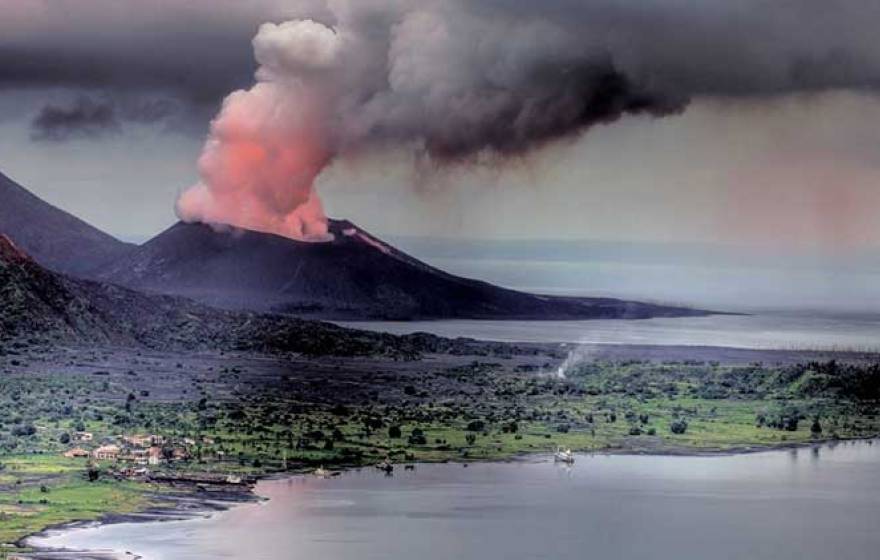
Small volcanic eruptions explain warming hiatus
How? Volcanoes cool the atmosphere because of the sulfur dioxide that is expelled during eruptions.
UC Newsroom |
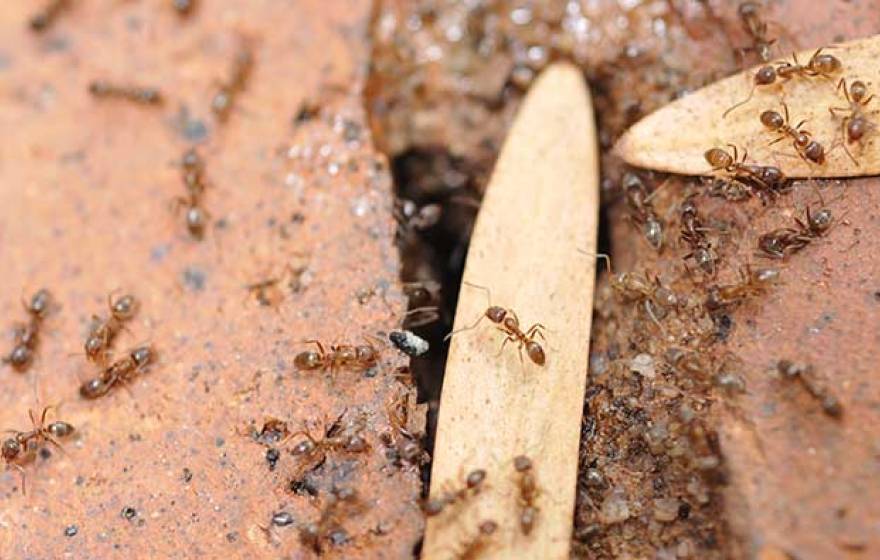
The ants come marching in
UC researchers are studying ways to control the ubiquitous Argentine ant — an invasive non-native that's worn out its welcome.
UC Berkeley |
To trigger body’s energy-burning brown fat, just chill
Those who overindulged during the holidays may want to get a shot of cold air to kick-start some extra fat-burning activity for the new year.
UC Davis |
Study casts doubt on mammoth-killing cosmic impact
Whatever triggered the Younger Dryas cold period, it wasn't a comet or meteorite colliding with Earth.
Lawrence Livermore Lab |
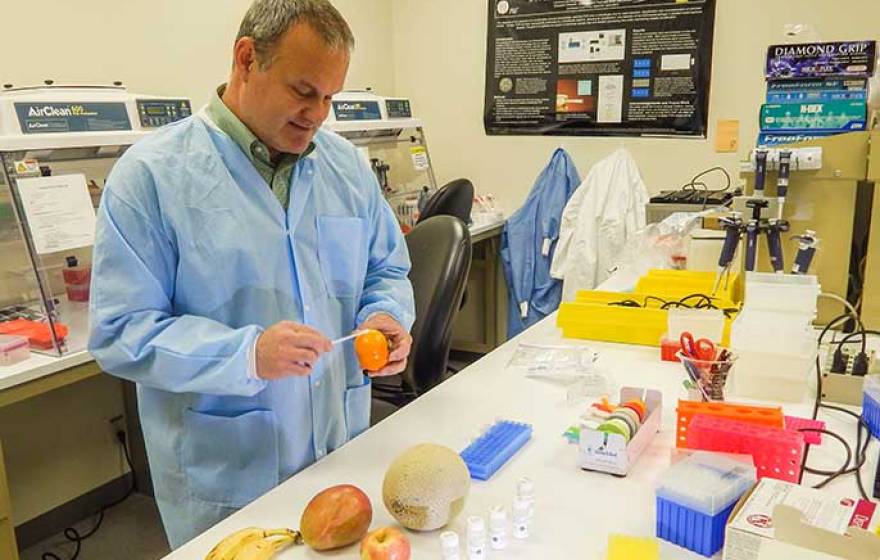
Technology quickly traces source of tainted food
Contaminated food sickens 1 in 6 Americans every year. DNATrax traces the bad stuff back to its source.
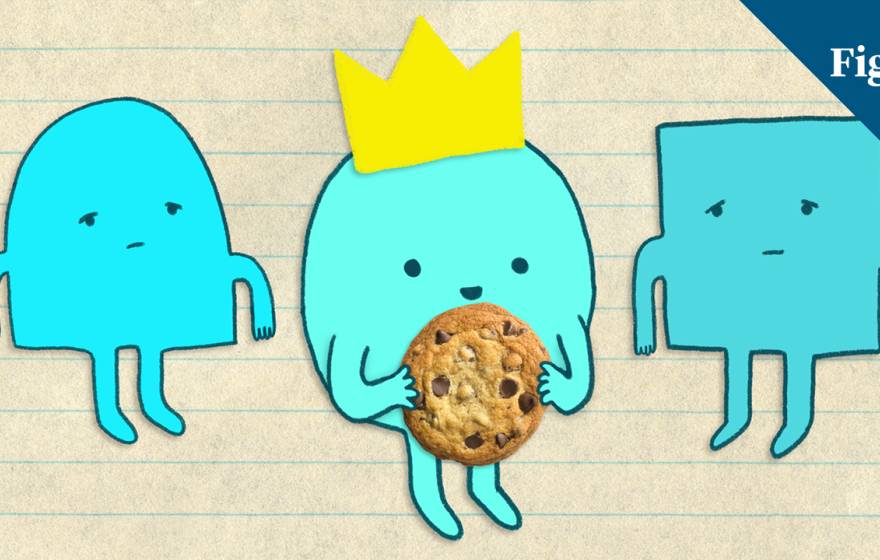
Fig. 1 by University of California |
How power makes people selfish
'Power tends to corrupt; absolute power corrupts absolutely,' said the British historian Lord Acton. Unfortunately, this is not entirely a myth. UC Berkeley psychologist Dacher Keltner explains some of the ways in which power encourages individuals to act on their own whims, desires and impulses.

Fig. 1 by University of California |
Where does gold come from?
The iron in our blood or the oxygen that we breathe all formed during chemical reactions inside of a star. But when it comes to heavier elements such as gold, a different process might be at play. UC Santa Cruz's Enrico Ramirez-Ruiz has his own theory about where gold comes from in the universe — it may have to do with the spectacular explosions of supernovae.
UC Newsroom |
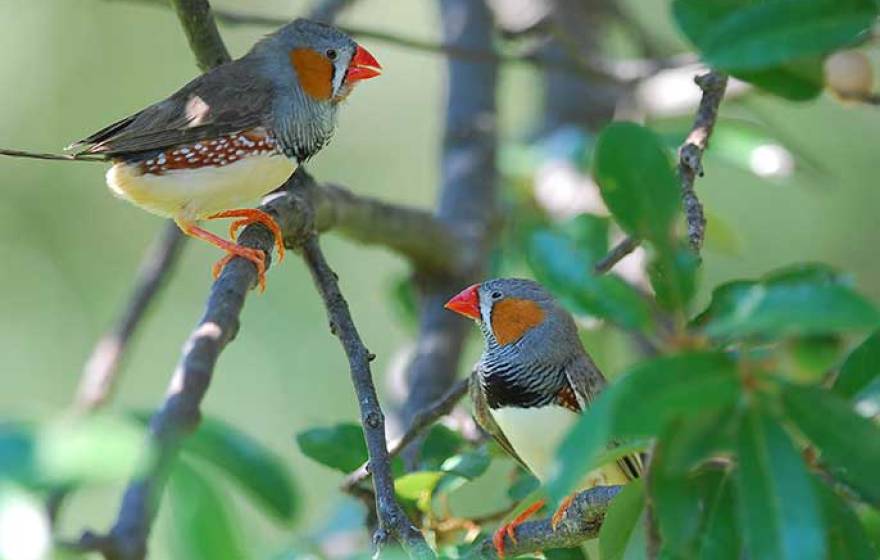
How songbirds may help build a better hearing aid
Avian ability to pinpoint 'signal' sounds inspires algorithm at the heart of a new type of auditory device.
Fresno Bee |
UC Davis study: Drought will cost state’s farmers $1.5 billion
With hundreds of thousands of acres of irrigated cropland removed from production this summer, the state expects losses in crop revenue, dairy and livestock value, and added costs from well-pumping.
New York Times |
Why should toys come in pink and blue?
Roundtable discussion — including UC Davis sociologist Elizabeth Sweet — addresses the gendered marketing of toys.
UC Merced |
Solar, water research proposals receive UC grants
Awards totaling an anticipated $5 million will fuel intercampus research into a sustainable future for the state and nation.