UC Irvine |
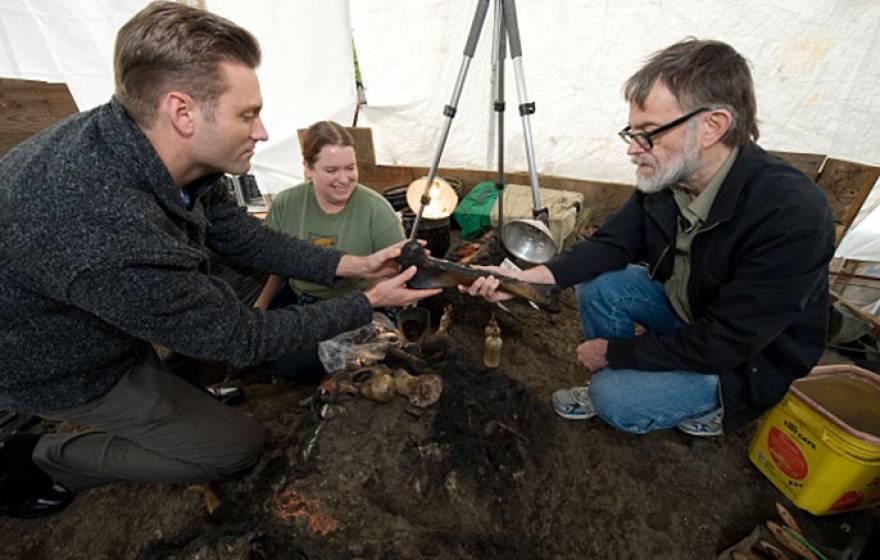
Down to the bones
Researchers sort out the sticky situation at the La Brea Tar Pits by refining methods for measuring the age of fossils.

Fig. 1 by University of California |
Facebook for nature
What can the flowers in your garden tell you about climate change? Fig. 1, a new video series, takes a look.
Slate |
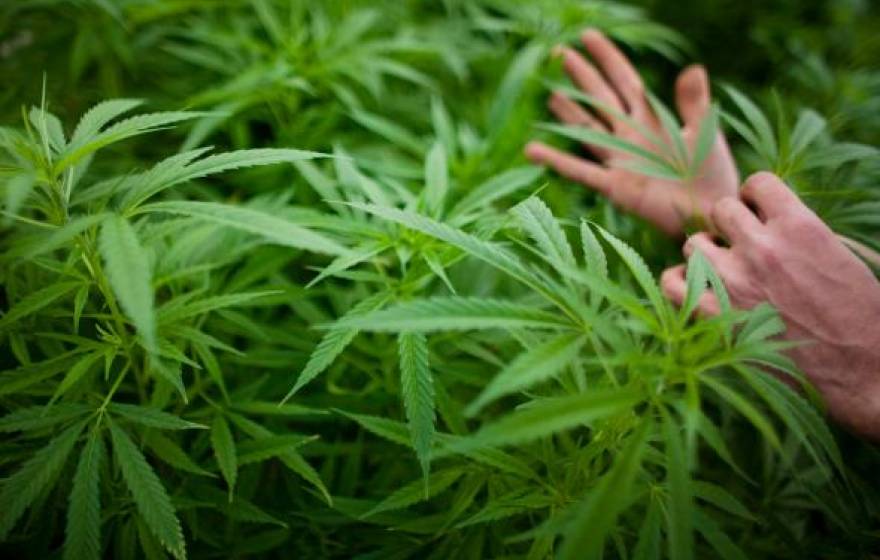
How pot farms trash the environment
There's a surprisingly strong environmental case to be made in favor of legalizing pot, because illegal marijuana farming is so bad for the environment.
New York Times |
The search for our inner lie detectors
New research suggests that people’s ability to spot liars is buried deeply in the unconscious mind.
UC Newsroom |
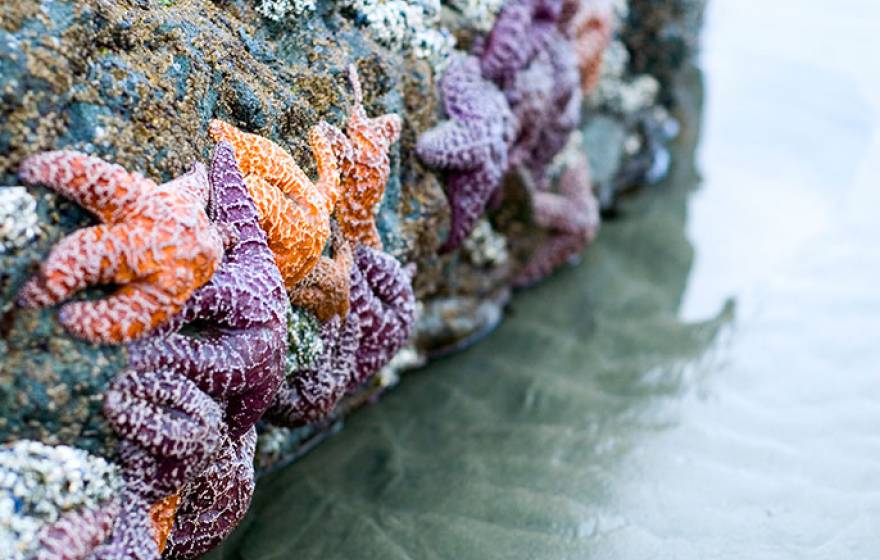
Scientists look for pathogen that's killing sea stars
UC Santa Cruz monitoring program is helping to pinpoint what's causing decimation of key coastal species.
UC Riverside |
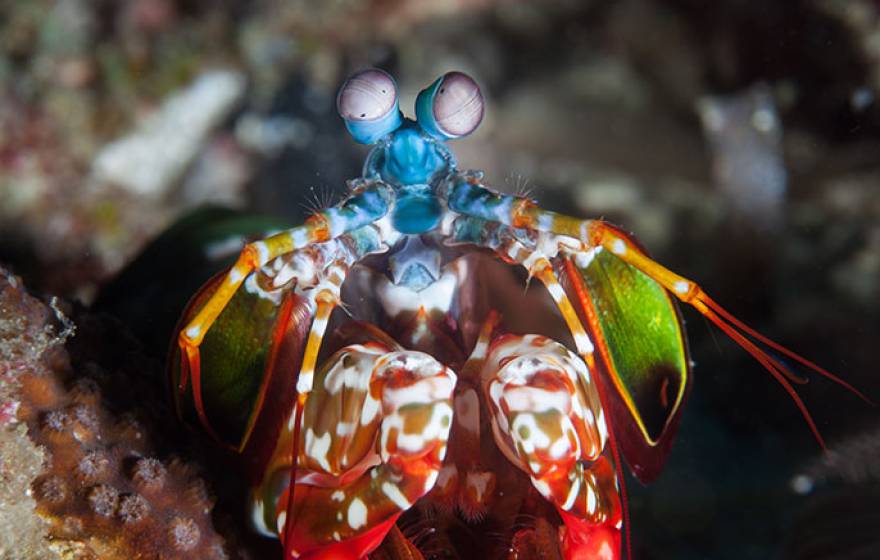
Mantis shrimp stronger than airplanes
Inspired by tiny crustacean, researchers design composite material stronger than standard used in airplane frames.
UC Davis |
Chili peppers: born in Mexico
The world's most widely grown spice crop likely was first domesticated in central-east Mexico, according to a new study by UC Davis plant scientists and other researchers.
UC Merced |
Researchers melt snow to see climate change impacts
The timing of snowmelt has implications for soil quality and, in turn, how things grow.
UC San Diego |
Computer software accurately predicts student test performance
Study shows automatic recognition of facial expressions can track student engagement in real time.
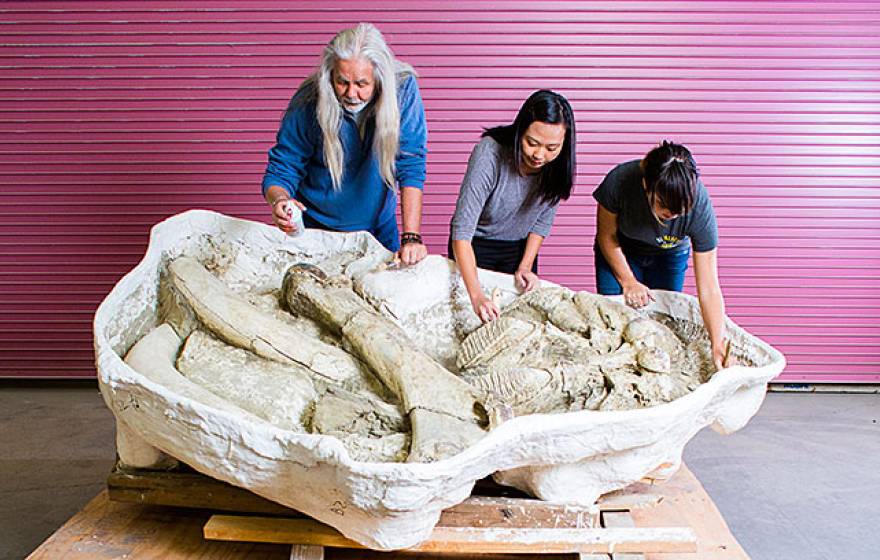
UC Merced |
Mammoth bones find a home at Merced
The youngest UC campus is now the steward of Columbian mammoth bones, dating back to the last Ice Age, which were discovered in Madera County.
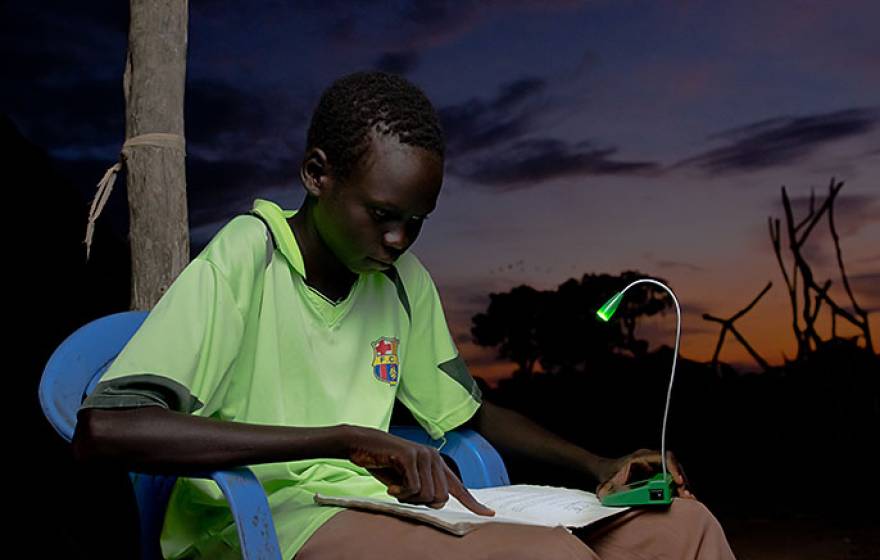
UC Newsroom |
Bringing power and light to the Third World
UC Santa Barbara's John Bowers is helping bring low-cost solar lighting to Third World communities through Unite to Light.
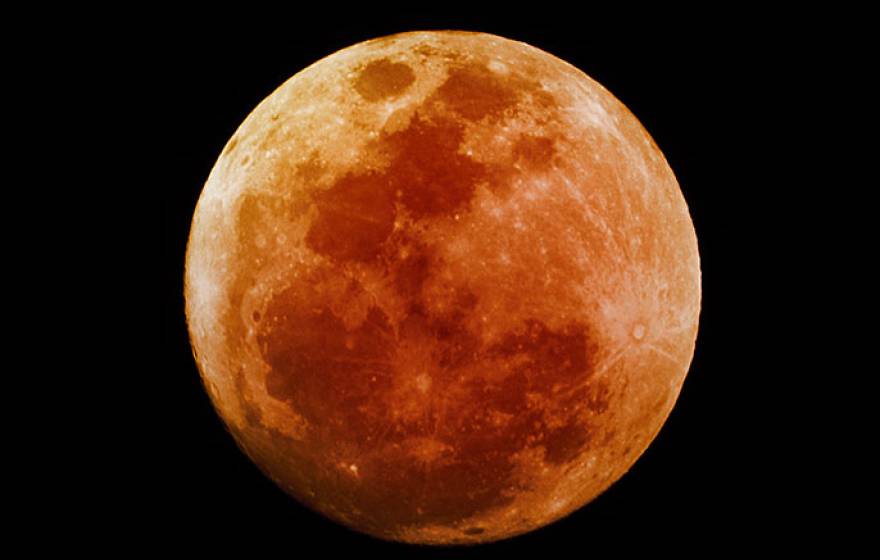
National Geographic |
Lunar eclipse myths from around the world
Murderous pets and hungry jaguars are only some of the stories cultures use to explain lunar eclipses. Scientists from Lawrence Livermore Lab and elsewhere probe lunar legends in anticipation of Monday night's eclipse.