The little known history of the land of milk and honey.
UC Newsroom |
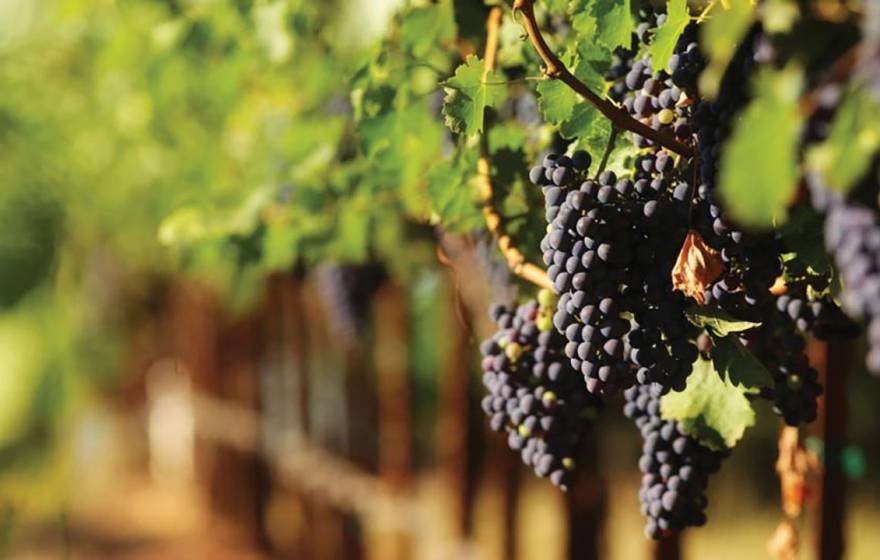
How California became a food and wine lover's dream
UC Santa Barbara |
How do we break our addiction to plastic?
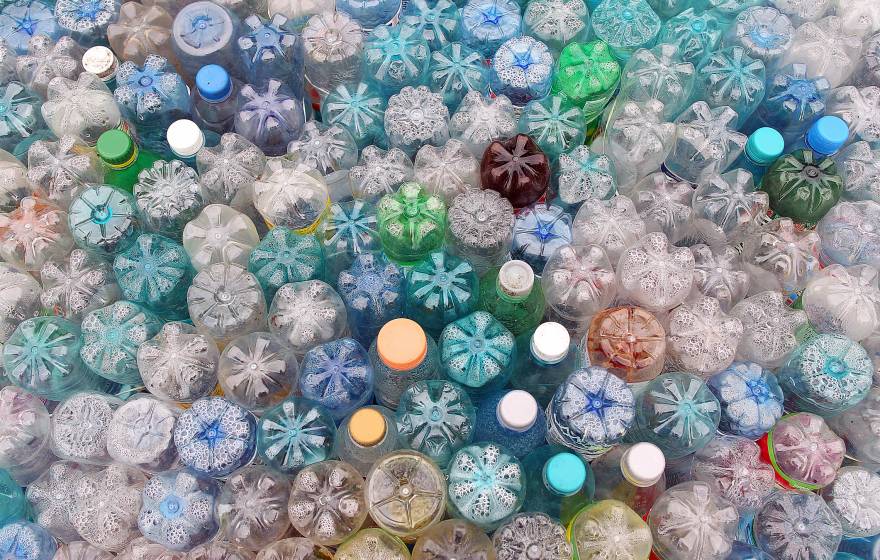
More than 8.3 billion metric tons (9.1 billion tons). That’s the amount of plastic humans have created since the large-scale production of synthetic materials began in the early 1950s. It’s enough to cover the entire country of Argentina, and most of the material now resides in landfills or in the natural environment.
UC Newsroom |
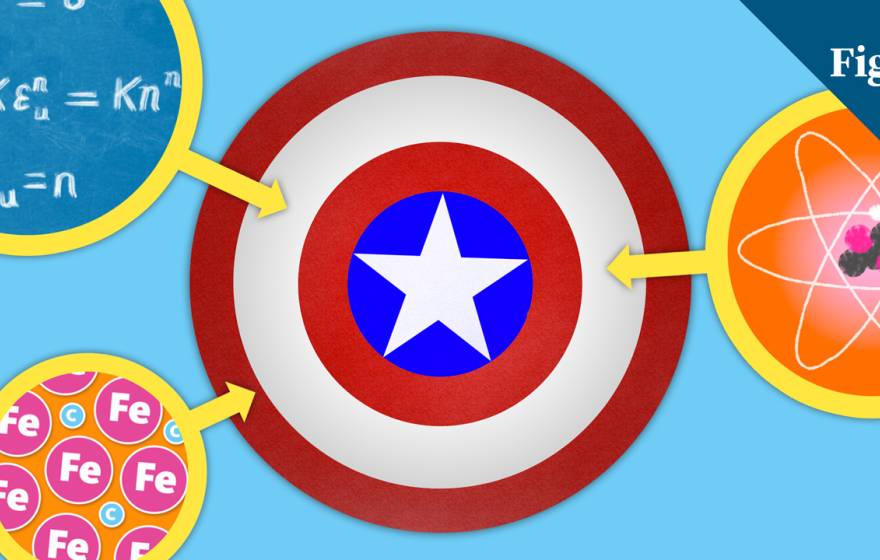
How Captain America inspired new fuel-efficient cars
Mild-mannered materials scientist by day, comic book fan by night, Suveen Mathaudhu spends a lot of time thinking about superheroes. But it isn’t just a hobby: It’s research.
UC Berkeley |
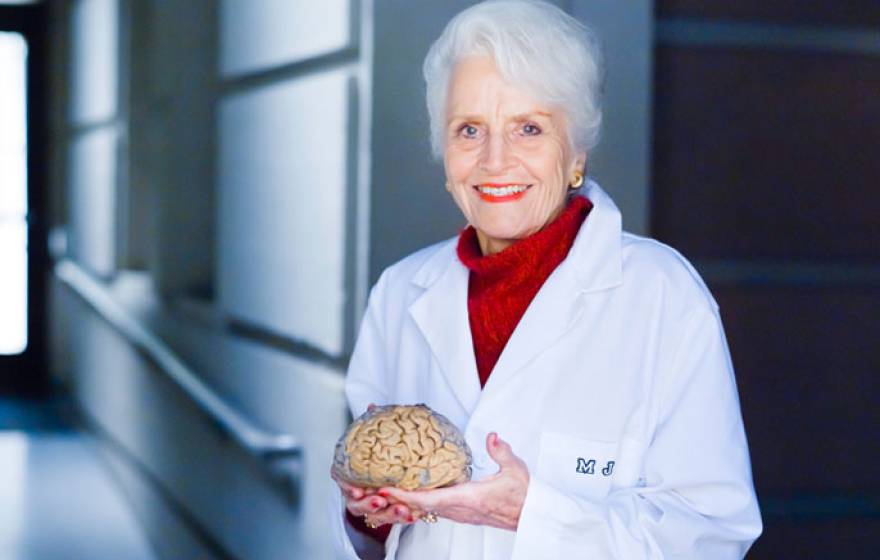
Marian Diamond, known for studies of Einstein’s brain, dies at 90
Renowned educator and scientist discovered brain plasticity and shared her love of anatomy with millions.
UC Santa Barbara |
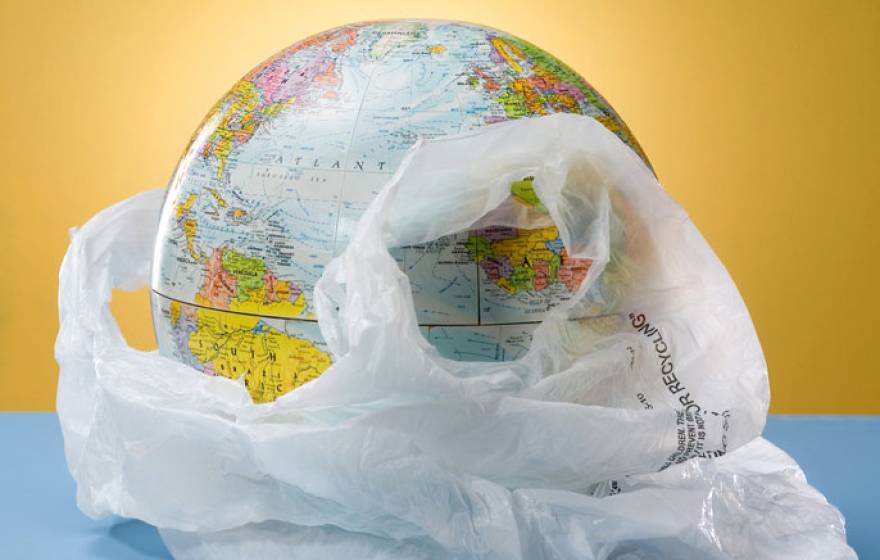
8.3 billion metric tons of plastic ... and counting
How did we create more tons of plastic than there are people on Earth?

UC San Diego |
How climate change makes us all lose sleep
Millions of nights of insufficent sleep could be created by rising temperatures, study says.
Berkeley Lab |
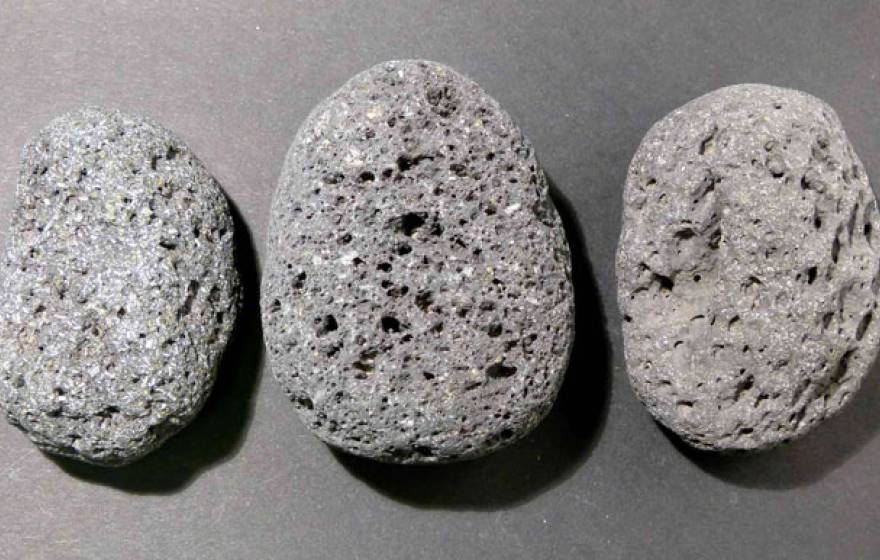
Solving the mystery of floating rocks
Scientists uncover how pumice can remain buoyant for years.

UCLA |
The teenage brain on social media
A new UCLA study sheds light on the influence of what peers "like."
UCSF via The Conversation |
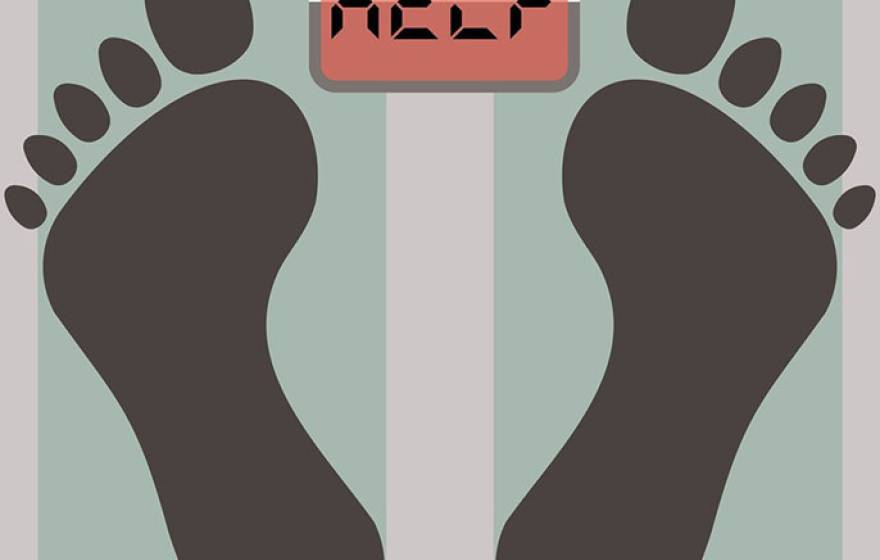
Want to lose weight? Train the brain, not the body
Emotional brain training can help you break the stress-obesity connection, a UCSF professor says.
UC Berkeley |
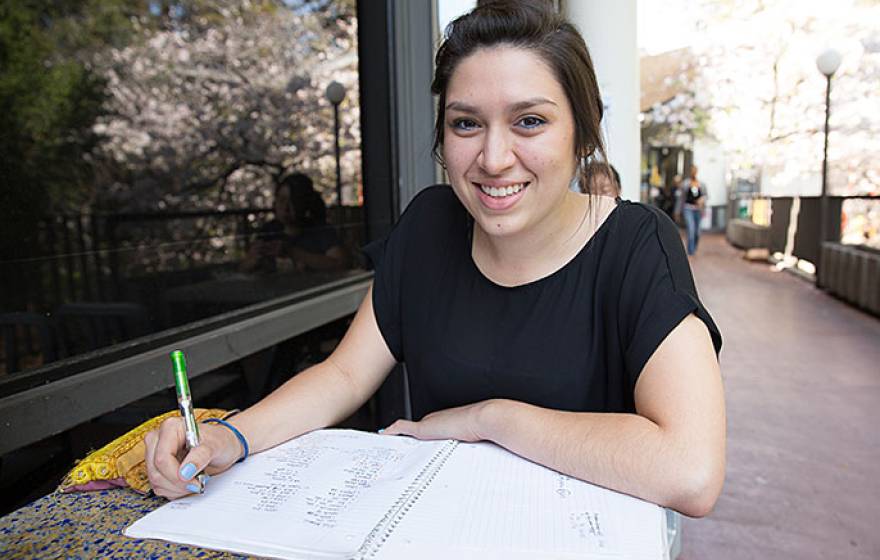
Teen girls see big drop in chemical exposure with switch in cosmetics
A UC Berkeley study finds that using personal care products free of hormone disruptors makes a difference.
UC San Diego |
Herpes infected humans before they were human
The virus originated in chimpanzees and jumped into humans 1.6 million years ago.