While firefighters battle raging wildfires in Northern and Southern California, the University of California is finding lifesaving solutions to stem the growing threat of fire by harnessing cutting-edge technologies to meet the state’s frightening new reality.
UC Office of the President |
UC scientists combat wildfires with lifesaving tools, solutions
UC Office of the President |
UC partners with leading research universities to form international coalition for accelerating local climate action
The University of California today (Feb. 6) unveiled the University Climate Change Coalition, or UC3, a bold new coalition of 13 leading North American research universities that will prototype a collaborative model designed to help local communities achieve their climate goals and accelerate the transition to a low-carbon future.

UC Santa Barbara |
How do we break our addiction to plastic?
More than 8.3 billion metric tons (9.1 billion tons). That’s the amount of plastic humans have created since the large-scale production of synthetic materials began in the early 1950s. It’s enough to cover the entire country of Argentina, and most of the material now resides in landfills or in the natural environment.

UC Newsroom |
Can behavioral psychology help stop food waste?
Sustainable dining is a huge deal on college campuses today, and the University of California, Santa Barbara is no exception. In fact, for years they’ve been taking an innovative approach towards reducing food waste by using behavioral psychology techniques to help diners reduce waste, often without even knowing it.

UC Newsroom |
Quiz: Do you know how your diet affects the planet?

UC Newsroom |
Can farmed fish feed the world sustainably?
The world’s population is expected to soar by an additional 2.5 billion people by 2050, bringing a host of global challenges – including how to feed so many hungry mouths.
UC Davis |
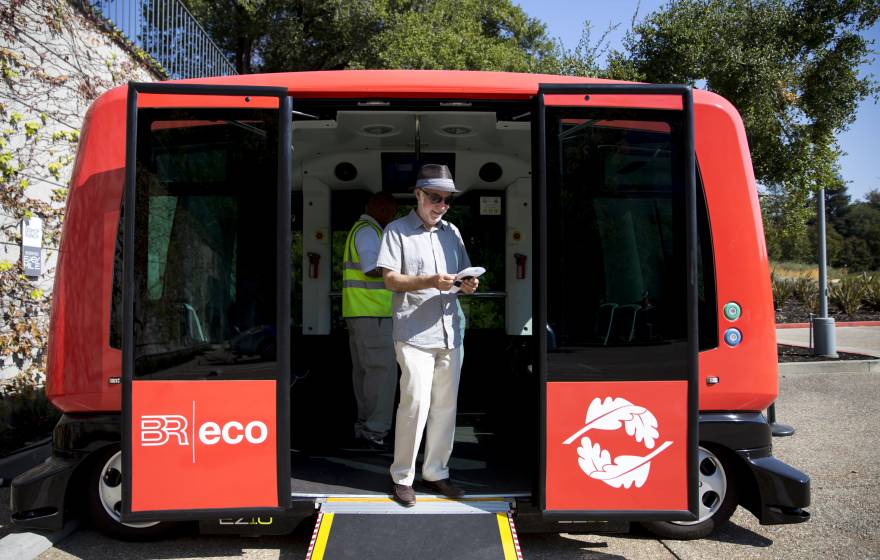
Driverless cars could be a solution to climate change, but two things have to happen
Driverless vehicle use worldwide could lower traffic congestion and emissions contributing to climate change by 50 percent or more in 2050, according to a 2017 report led by global transport expert Lewis Fulton at the Institute of Transportation Studies at UC Davis (ITS-Davis).

UC Davis |
You say you want a transportation revolution? How about three of them?
Three transportation revolutions are in sight, and together, they could help reduce traffic, improve livability, eventually save trillions of dollars each year, and reduce urban transportation carbon dioxide emissions by 80 percent or more worldwide by 2050.

Scientific American |
The window is closing to avoid dangerous global warming
Climate change poses an existential risk to humanity, and the risk is rising, according to new UC research.

UC San Diego |
How climate change makes us all lose sleep
Millions of nights of insufficent sleep could be created by rising temperatures, study says.
UC Newsroom in partnership with Vox |
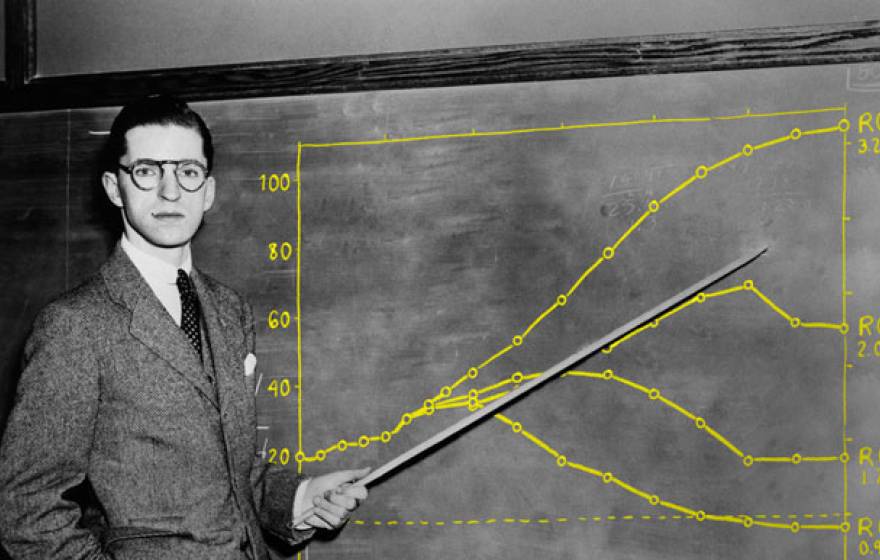
Why scientists really aren’t the best champions of climate science
Facts and data alone won’t inspire people to take action in the fight against global warming. So what will? Find out in the final episode of "Climate Lab."
KQED |
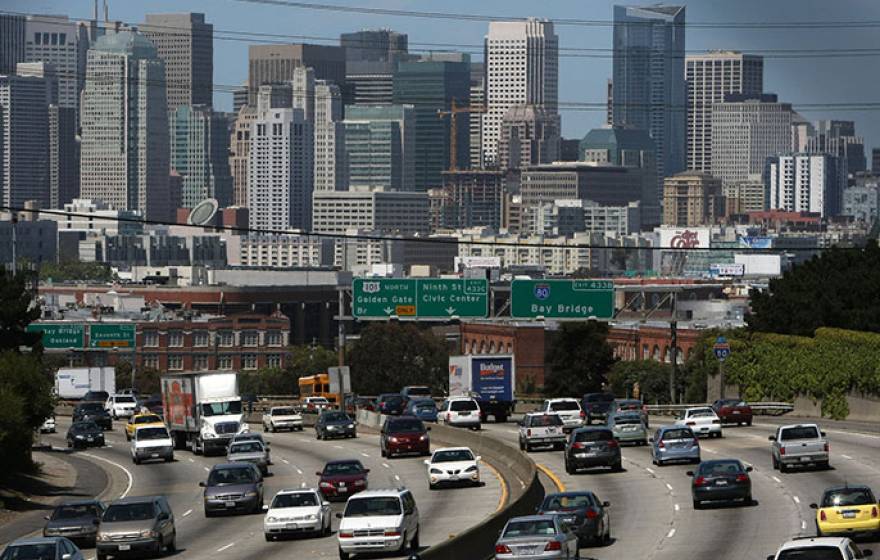
10 years in, has California’s climate law really lowered emissions?
Scientists from Berkeley Lab deliver a strong verdict on the state's policies.