UC Berkeley scientists developed the MyShake app, which can help detect earthquakes and eventually provide early warning for smartphone users.

UC Berkeley |
New app turns smartphones into worldwide seismic network
The Conversation |
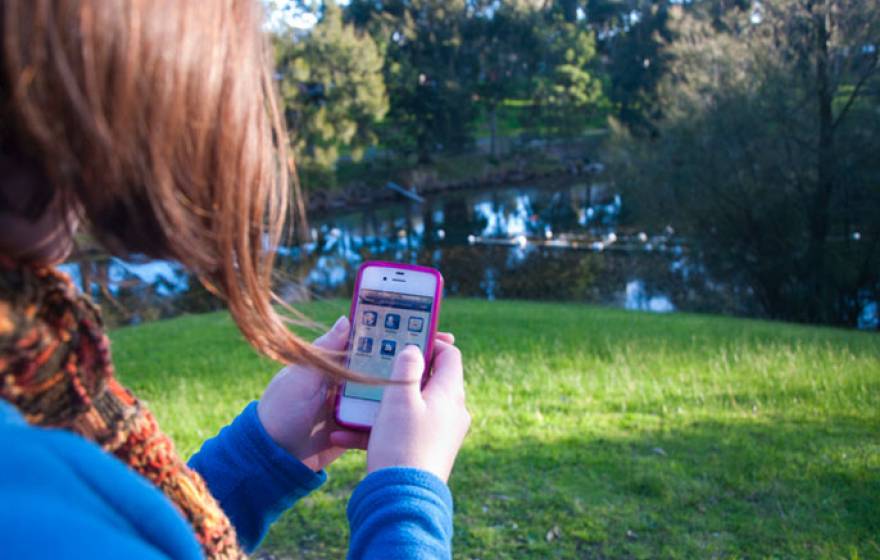
Many low-income students use only their phone to get online. What are they missing?
A UC Irvine researcher explores the effects unequally distributed online access.

Lawrence Berkeley National Laboratory |
Lasers produced by UC scientists bring light-speed data one step closer
Nanowire innovation illuminates the promise of electronics combined with light.
UC Davis |
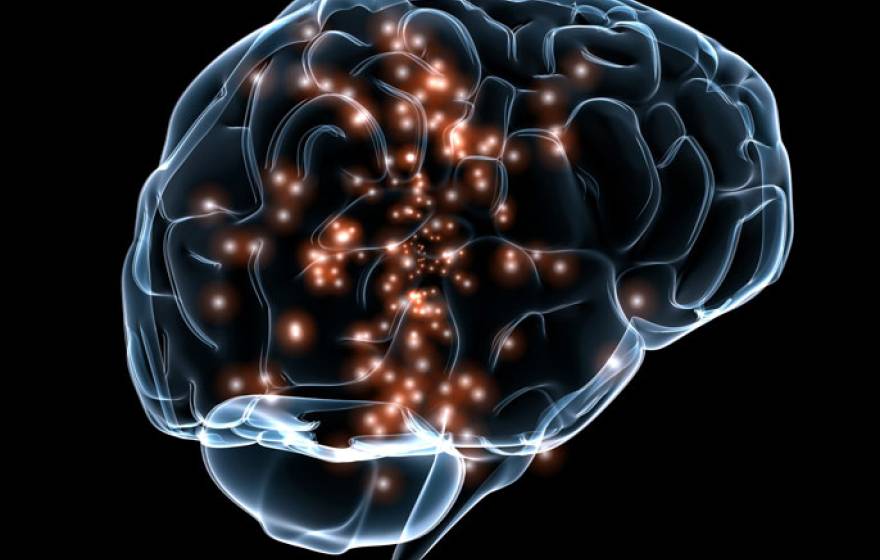
Memory replay prioritizes high-reward experiences
UC Davis neuroscientists find that we recall events better when they are associated with a reward.

UC Irvine |
Decade of rising seas slowed by land soaking up extra water, study finds
Scientists at UC Irvine and NASA provide the first measurements of how the earth's absorption of liquid is — temporarily — depressing sea levels around the world.
UC Merced |
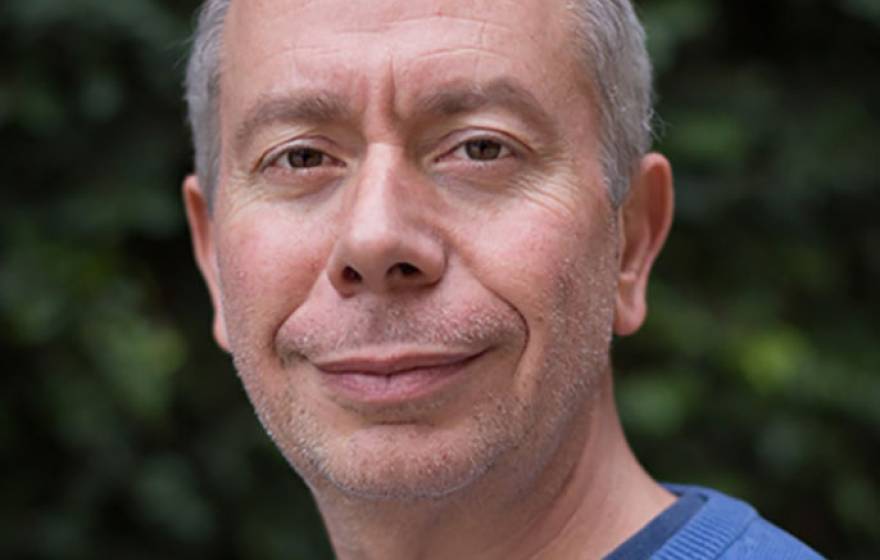
Prestigious Keck Award granted to UC Merced bioengineer
Professor Victor Muñoz wins highly competitive $1 million prize for biomedical research, the campus's first.

UC Newsroom |
Cyber-archaeology, big data and the race to save threatened cultural heritage sites
How 21st century archaeology is digitally preserving ancient sites facing threats from extremism to climate change.

UCLA |
UCLA scientists find out where the brain makes sighs - and why
The discovery of the origin and function of sighing could benefit patients with breathing problems.
UC Santa Barbara |
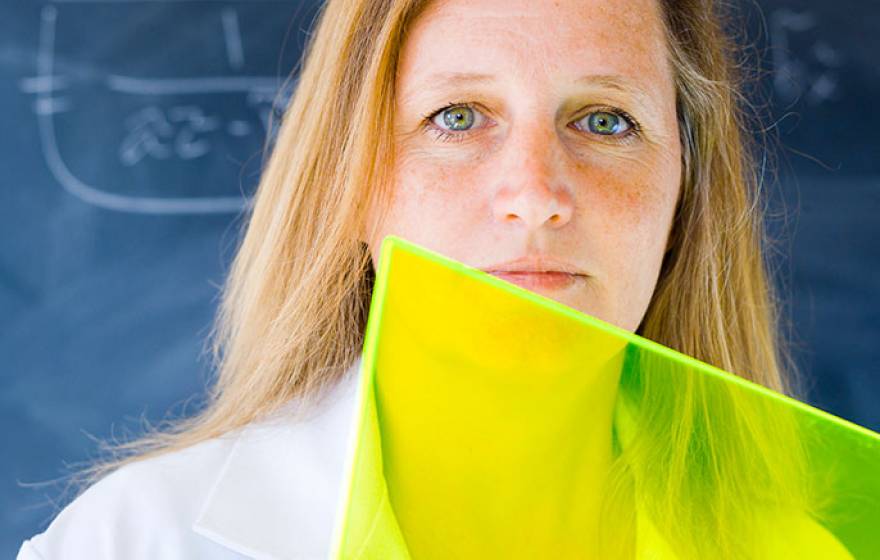
The STEM gender gap is not where you think
A UC Santa Barbara professor seeks to explain why certain countries are more likely to see women in STEM than others.
UC Riverside |
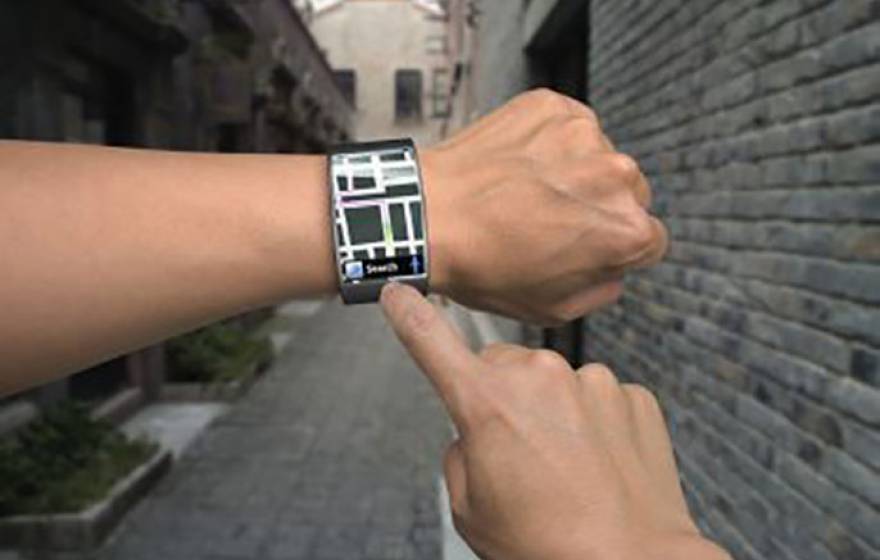
GPS accuracy down to the centimeter from UC Riverside
Technology will be used for high precision positioning in mobile devices, autonomous vehicles and related applications.
UC San Francisco |
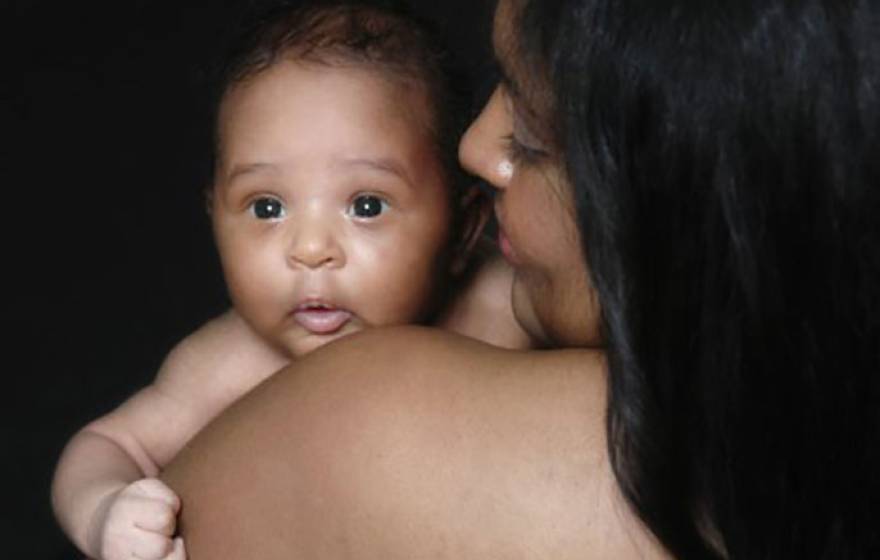
Mothers may pass brain structure linked to depression to daughters
A UC San Franciso study is the first to show that emotional circuitry may be matrilineally transmitted.
The New York Times |
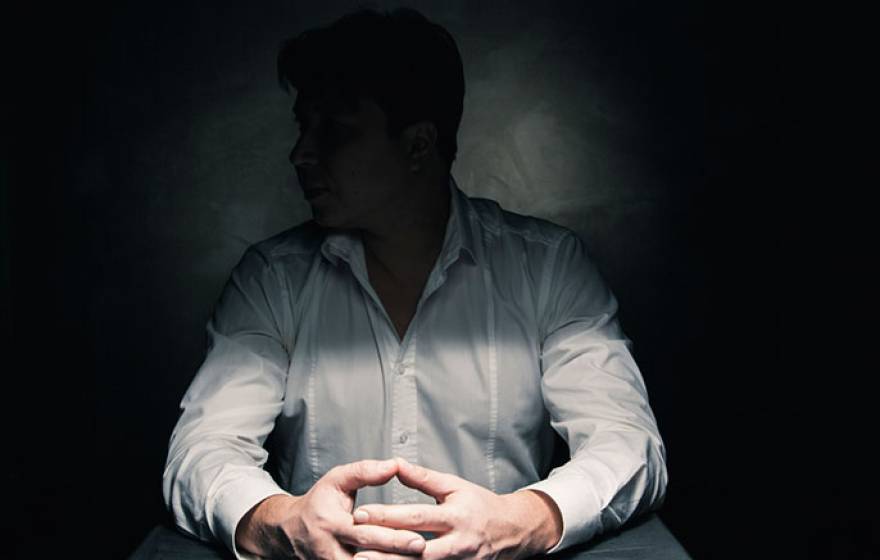
Study links sleeplessness and false confessions
UC Irvine researcher finds that interrogations during normal sleep hours can result in misleading information.