UC Riverside study shows popular apps interact with risky websites.

UC Riverside |
When apps talk behind your back
UC Santa Barbara |
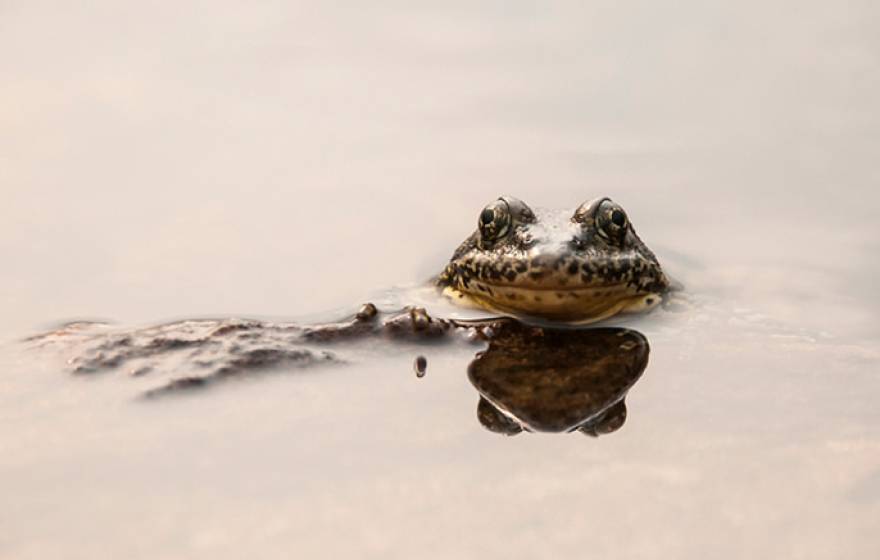
Rescue and recovery effort for endangered frog
UC Santa Barbara scientists collaborate with wildlife agencies, and San Francisco and Oakland zoos to save native California species.
Science |
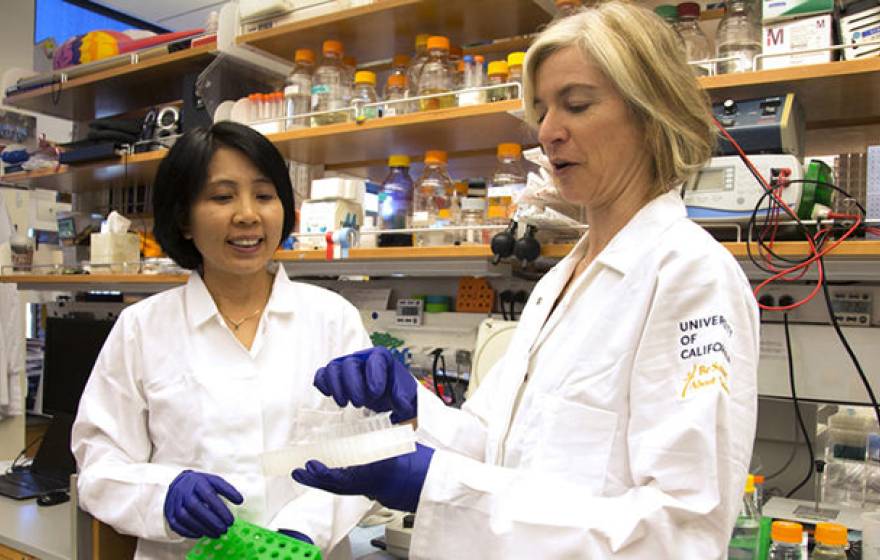
Making the cut: CRISPR genome-editing technology shows its power
Science's magazine's 2015 Breakthrough of the Year was co-developed by UC Berkeley's Jennifer Doudna.

UC Newsroom |
UC's top 10 stories of 2015
From expanding enrollment to tackling climate change, 2015 was a big year for the University of California.

YouTube |
The science behind Jedi mind tricks
This is the story you're looking for: UC San Diego neuroscience graduate student explains how you can use The Force.

UC Santa Cruz |
Sea lions exposed to algal toxin show impaired spatial memory
Permanent damage caused by domoic acid may affect their ability to survive in the wild, UC Santa Cruz-led study suggests.
California Magazine |
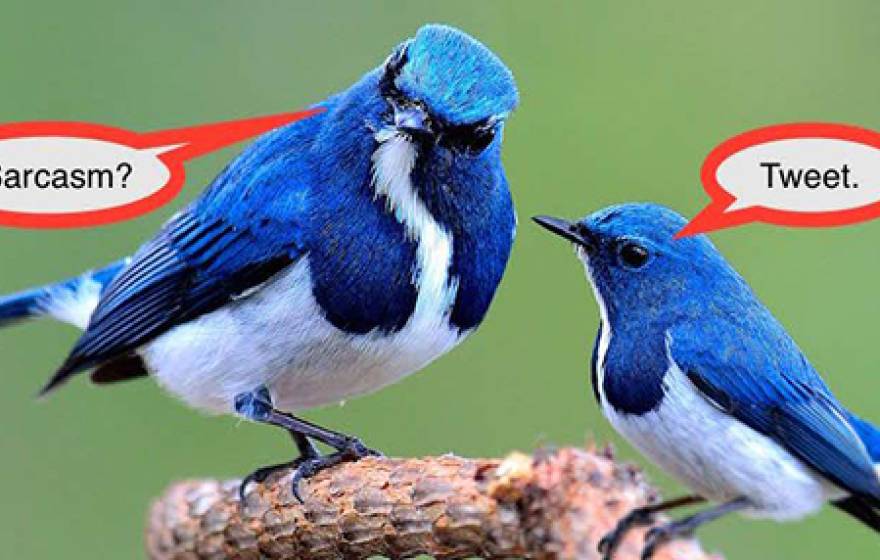
Scientists devise algorithm that detects sarcasm better than humans
Computers show an accuracy rate of 75 percent — notably better than the humans, according to research co-led by UC Berkeley.
UC Riverside |
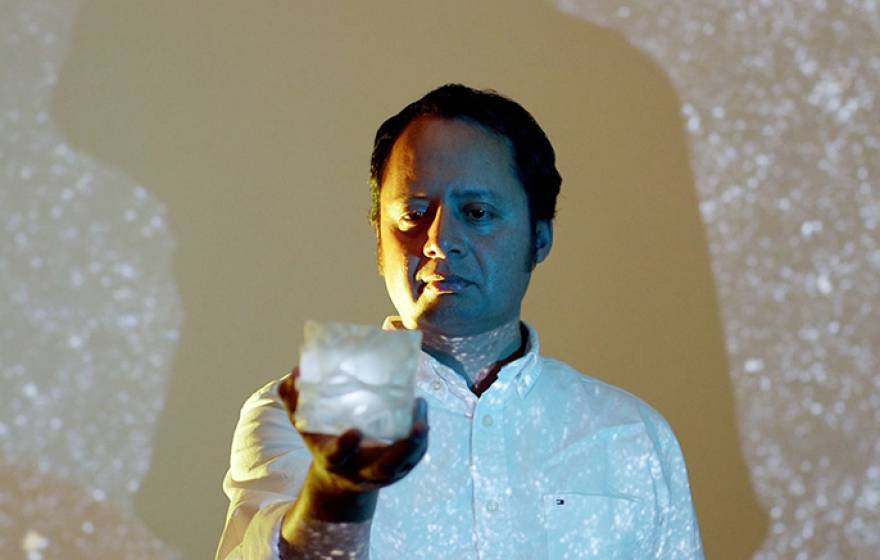
The universe in your hand
UC Riverside physicist uses 3D-printing technology to understand how the cosmos has evolved.

UC San Francisco |
Illuminating depression’s circuitry
UC San Francisco neurosurgeon Edward Chang is studying whether flawed brain circuitry causes mood disorders and how to restore neural processing.

UC Santa Barbara |
Protecting ocean species
UC Santa Barbara researchers part of study that offers guidance on the placement of marine protected areas.

UCLA |
$10 million gift to UCLA is largest to support migraine research
Donation from philanthropists Wendy and Leonard Goldberg could help alleviate suffering for millions worldwide.
Medium |
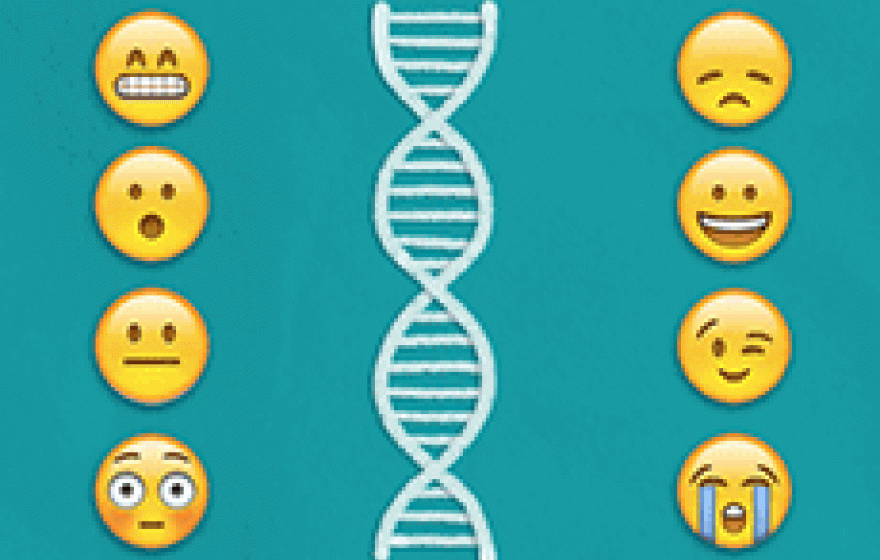
How your genes may be giving you the giggles
With new genetic findings, researchers from UC Berkeley now have a better understanding of why some of us laugh more or are more easily embarrassed.