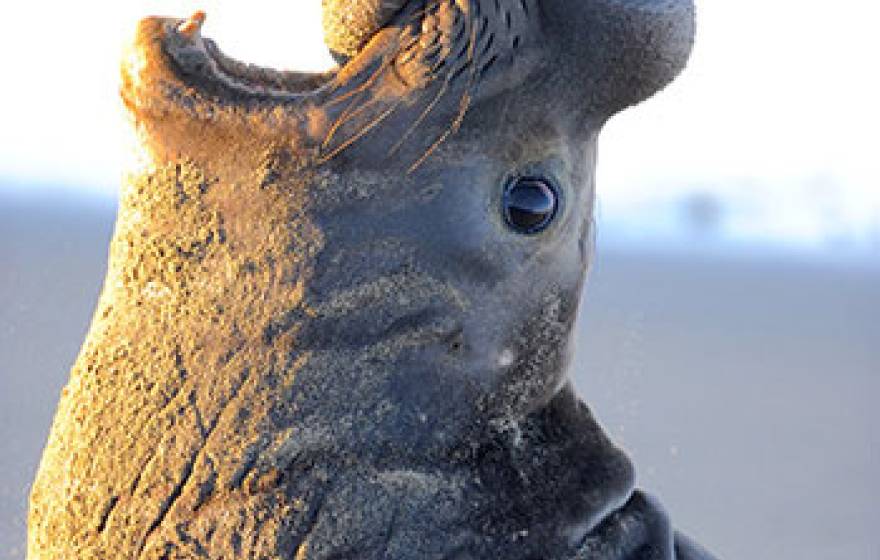
In competition for mates, males recognize the distinctive calls of their rivals and avoid costly fights by remembering who's dominant.
UC Santa Cruz |
Male elephant seals use voice recognition to identify rivals
UC Berkeley |
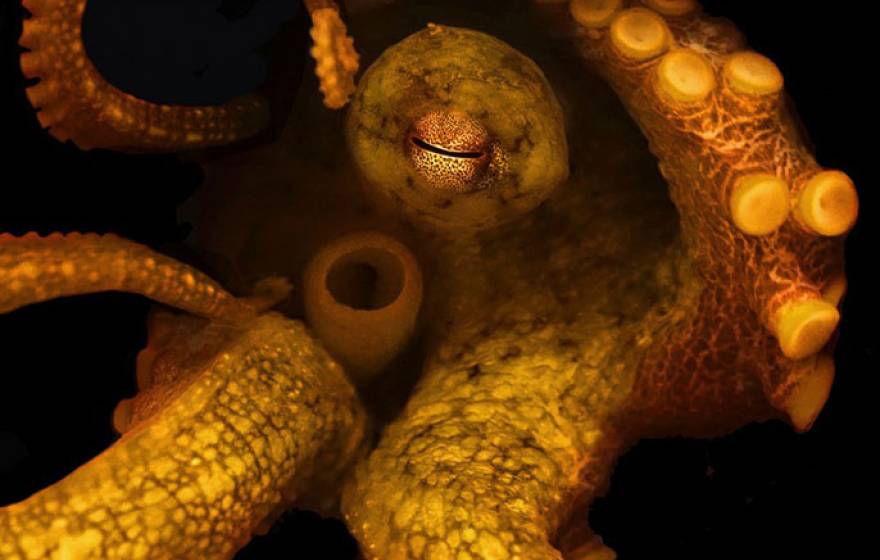
Octopus genome reveals cephalopod secrets
Researchers are closer to discovering the genes involved in the creature’s ability to change skin color and texture, and to move its eight arms independently.
UC Davis |
After California wildfires, southern plants shift north
With tree canopies burned away, recovering landscapes become home to transplants like manzanita and monkey flower.

UC Berkeley |
Hunter or prey? The eyes are the key
Pupil shape — horizontal, vertical or circular — is linked to animals’ place in the ecological web.

UC Irvine |
Precariously balanced rocks provide clues to fault connections
San Jacinto, San Andreas interaction weakens earthquake shaking near them, study lead by UC Irvine finds.
UC Santa Cruz |
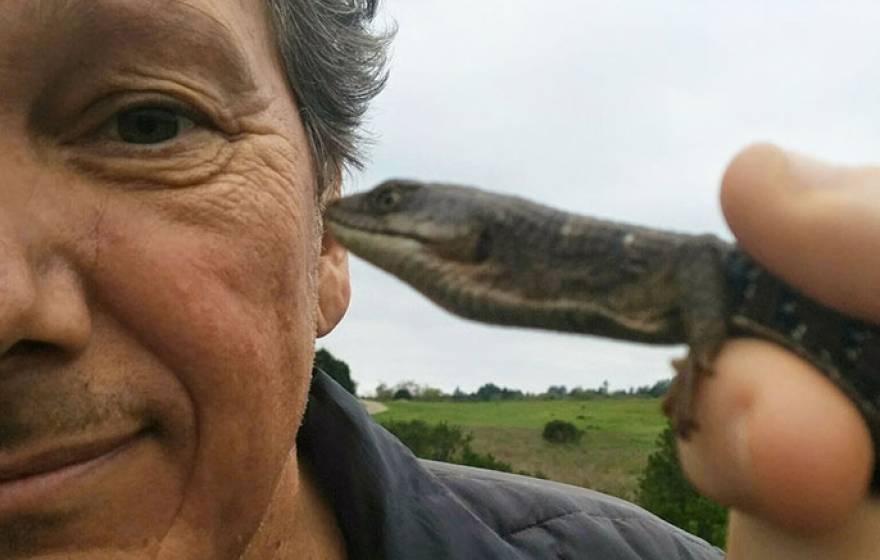
Edges of extinction
UC Santa Cruz ecologist Barry Sinervo studies dying species like a detective at a murder scene, hoping to help preserve threatened species.

UC Santa Cruz |
Precision medicine initiative funds UC Santa Cruz pediatric cancer project
State initiative provides $1.2 million for the Genomics Institute's California Kids Cancer Comparison project.
Scripps Institution of Oceanography |
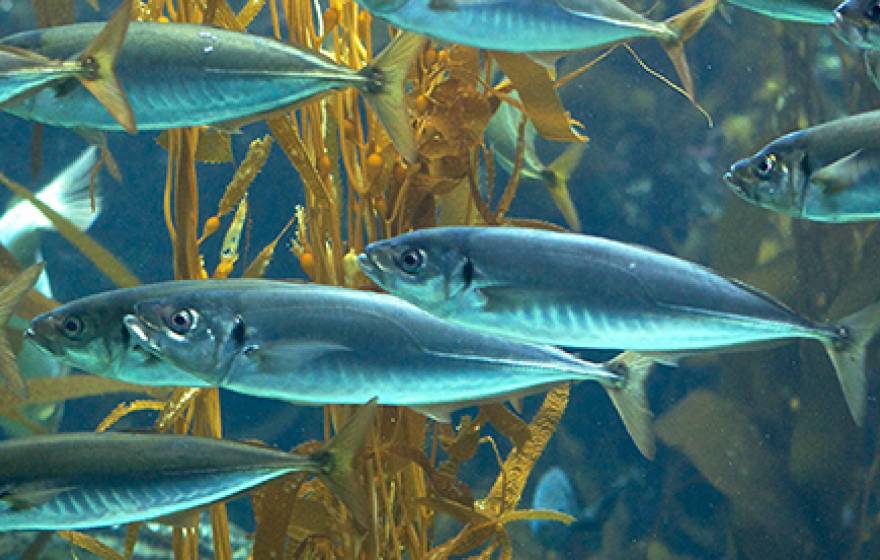
Climate change causes timing shifts in fish reproduction
Warmer ocean temperatures affect seasonal cycles, study finds.
UC San Diego |
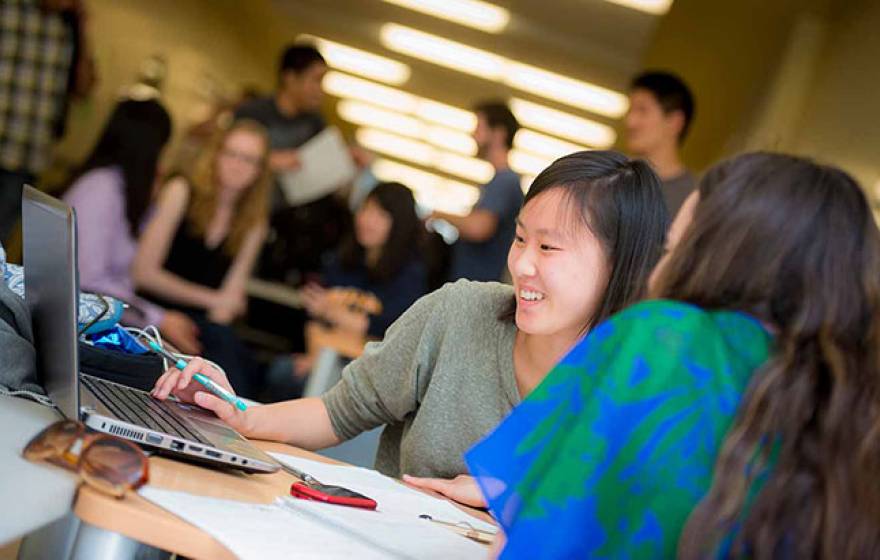
UC San Diego participates in Coursera Global Skills Initiative
Qualcomm Institute and San Diego Supercomputer Center online courses have goal to advance access to job-relevant skills around the world.

Greater Good Science Center |
How awe makes us generous
A new study from UC Berkeley and UC Irvine finds that feeling small in nature makes us more generous to other humans.
Daily Democrat |
UC Davis aids winemakers in sustainability
Robert Mondavi Institute for Wine and Food Science is showcasing how to reduce processing costs, improve wine quality and protect the planet.
UC Riverside |
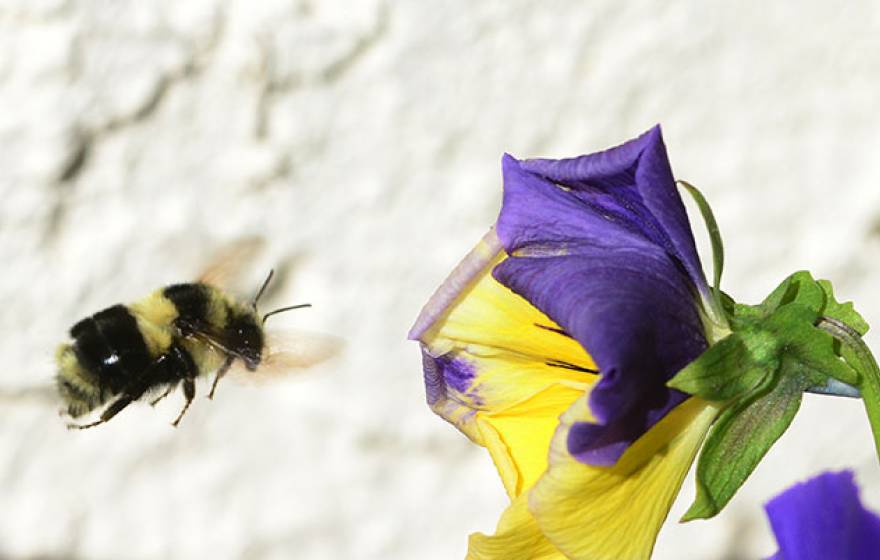
Flowers can endanger bees
Study by UC Riverside entomologist and colleagues shows flowers serve as parasite-dispersing hubs.