|

A year of protest, progress and a very special prize

Just as Time magazine named the Protester as its person of the year, so did unrest shape much of 2011 for the University of California.

Reverberations from January and February's anti-Mubarek protests in Egypt were felt halfway around the world, as UC took emergency measures to evacuate 30 students, faculty and staff enrolled in a study abroad program and taking part in an archaeological dig.
|

Researchers discuss sugar’s highs, lows

America's growing sweet tooth is super-sizing waistlines and the nation's health care price tag, warn University of California researchers.

People in the U.S. are eating 21 times more sweet stuff today than the pilgrims and pioneers did, according to data presented by scientists at a symposium on sugar and other sweeteners, sponsored by the Center for Obesity Assessment, Study and Treatment (COAST) at UCSF, the UC Office of the President, UC Berkeley and UC Davis.

UC Newsroom |

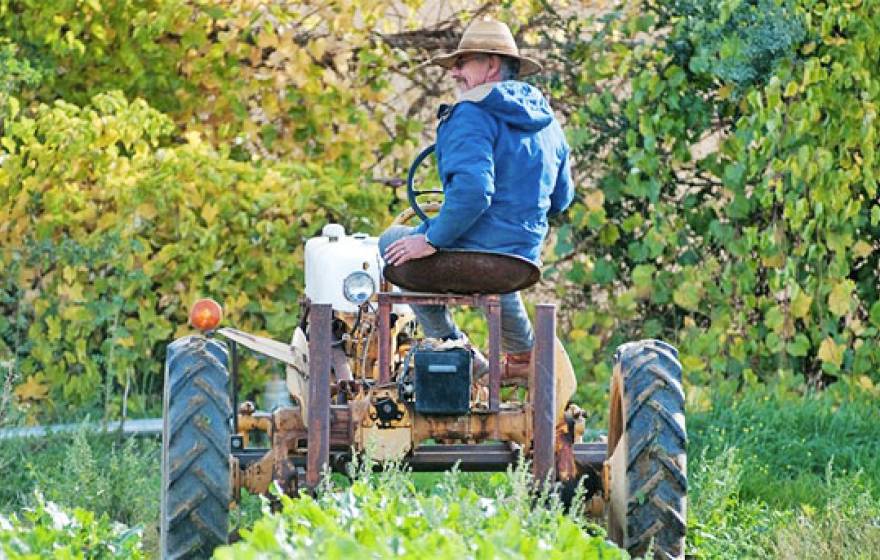
Seeding innovation

Long before UC Berkeley author Michael Pollan told us omnivores had a dilemma in books that questioned the industrial food complex, college students were at the forefront of a movement to rethink what we eat.

Back in the 1960s and 1970s, when organic was a foreign word to most Americans, students at UC Davis and UC Santa Cruz were part of a wave of environmental activism that sought alternatives to agricultural methods that distanced people from farms and relied on heavy use of chemical pesticides and fertilizers.

UC Merced |

Air pollution results from sugarcane ethanol production

MERCED — The burning of sugarcane fields prior to harvest for ethanol production can create air pollution that detracts from the biofuel's overall sustainability, according to research published recently by a team of researchers led by scientists at the University of California, Merced.

|

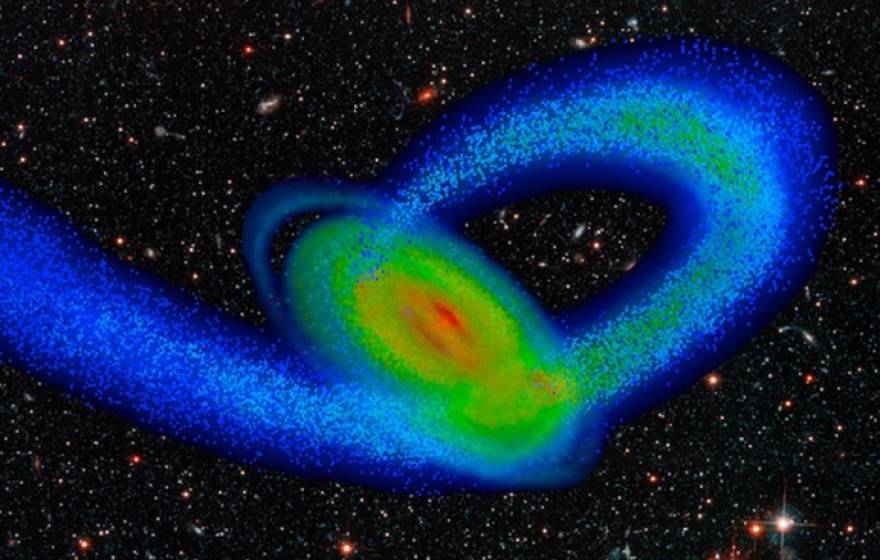
How the Milky Way got its spiral arms

UC Irvine astronomers have shown how the Milky Way galaxy's iconic spiral arms form.
|

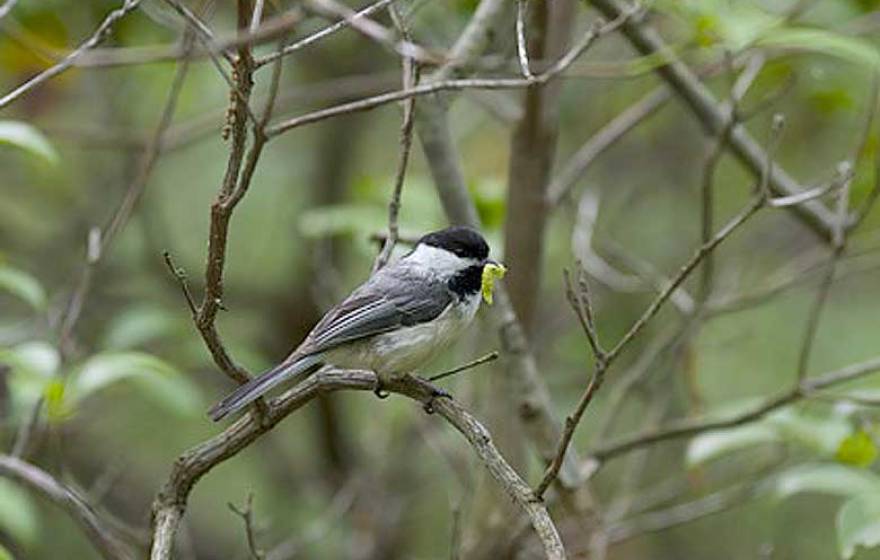
For the birds, location matters when foraging

Location matters for birds on the hunt for caterpillars, according to researchers at UC Irvine and Wesleyan University.
|

Assess stranger's trustworthiness in 20 seconds

BERKELEY — There’s definitely something to be said for first impressions. New research from the University of California, Berkeley, suggests it can take just 20 seconds to detect whether a stranger is genetically inclined to being trustworthy, kind or compassionate.

The findings reinforce that healthy humans are wired to recognize strangers who may help them out in a tough situation. They also pave the way for genetic therapies for people who are not innately sympathetic, researchers said.

UC Berkeley |

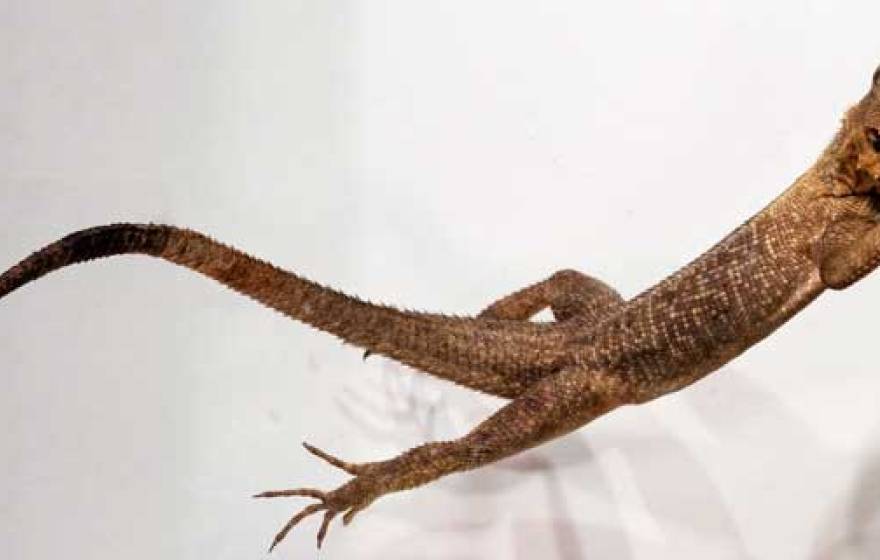
Leaping lizards and dinosaurs inspire robot design

Leaping lizards have a message for robots: Get a tail!
|

Easily embarrassed? People will trust you more

A new study from the University of California, Berkeley, suggests that people who are easily embarrassed are also more trustworthy, and more generous.
|

CERN group traps antihydrogen atoms for 16 minutes

Trapping antihydrogen atoms at the European Organization for Nuclear Research (CERN) has become so routine that physicists are confident that they can soon begin experiments on this rare antimatter equivalent of the hydrogen atom, according to researchers at the University of California, Berkeley.

University of California |

Heading into zero gravity

UC San Diego students are in Houston, on a NASA plane, this week to investigate what happens in the heads of astronauts during weightlessness. They are part of NASA's Microgravity University, which offers selected students a rare chance to do research in near-zero gravity.
|

Graduate students form nanotech startup