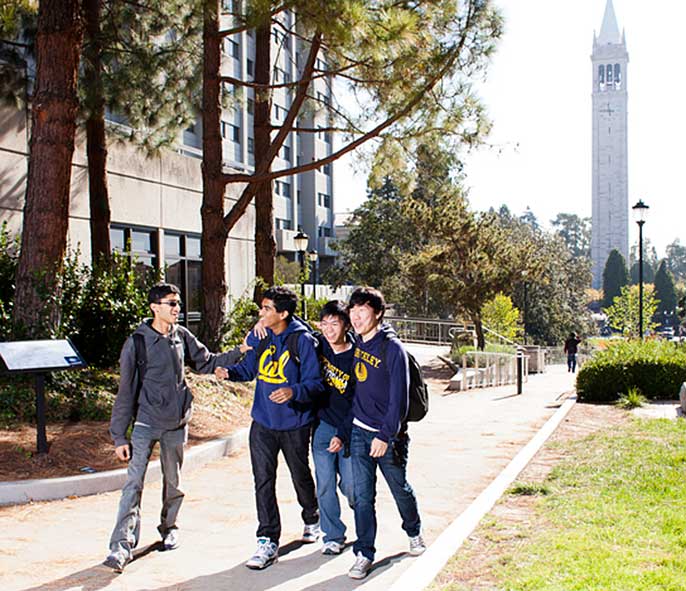
Among them: impacting college access at scale. Example: More than 40 percent of UC undergrads receive Pell grants, and 78 percent of these students graduate in four years. UC has made this possible by increasing the amount of time faculty spend teaching classes and advising students.
After starting the new year with a dry month, California soon will be falling off the wagon. Scientists have been tracking a tentacle of moisture-laden tropical air—a so-called atmospheric river—that’s supposed to make it rain.
Researchers analyzed DNA from hundreds of melanoma tumors to figure out specifically what drives the disease. They say it could ultimately help treat this deadly form of cancer and others.
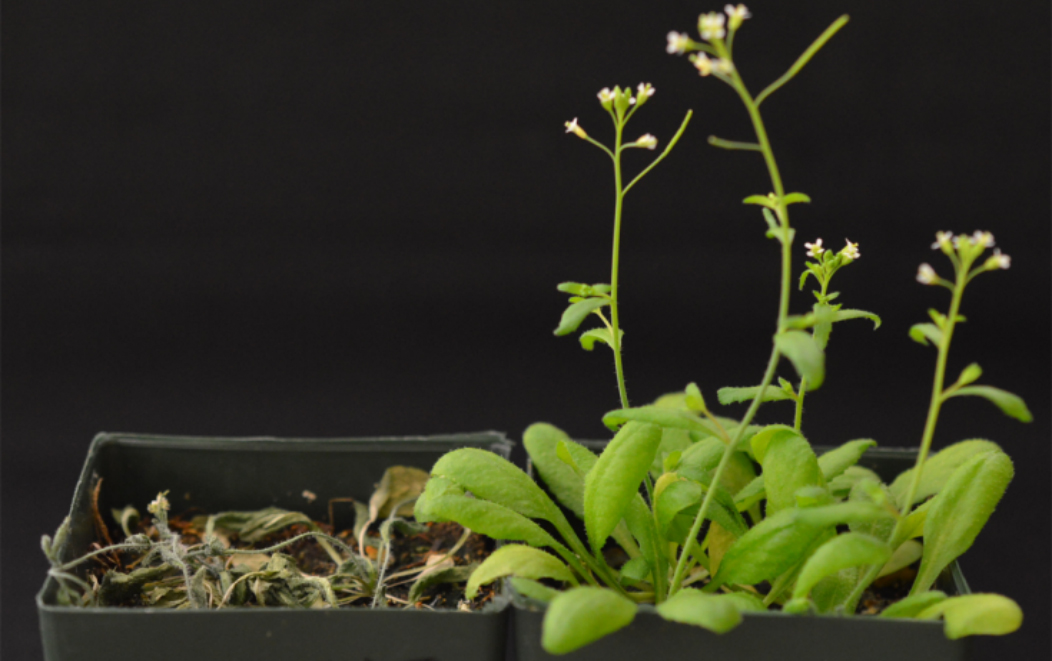
As the California drought enters its fourth year, scientists — among them, UC Riverside's Sean Cutler — are trying to genetically engineer plants that survive on less water.
Developing the Richmond Field Station is an effort to reverse the trend among U.S. universities that have tried to expand their influence by opening satellite campuses abroad.
Aren't we all? It's the work of brain science, and UC Santa Barbara neuroscientist Michael Gazzaniga discusses where the next big breakthroughs in understanding the brain will come from.
UC, like many California colleges, does not require students to receive measles and many other immunizations before enrolling. But that policy may soon change.