Science Today |
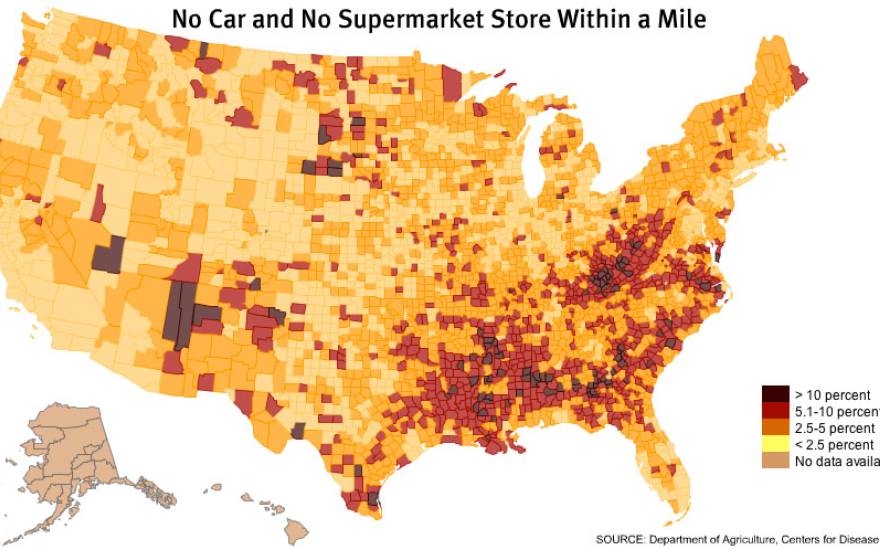
Do you live in a food desert?
Have you heard of food deserts? You may even live in one. The USDA defines a food desert as parts of the country that lack fresh fruit, vegetables and other healthy foods. They’re usually found in impoverished urban areas. Shashi Buluswar, the executive director of the Lawrence Berkeley National Laboratory’s Institute for Globally Transformative Technologies, explains why healthy foods are often not available in low-income neighborhoods.
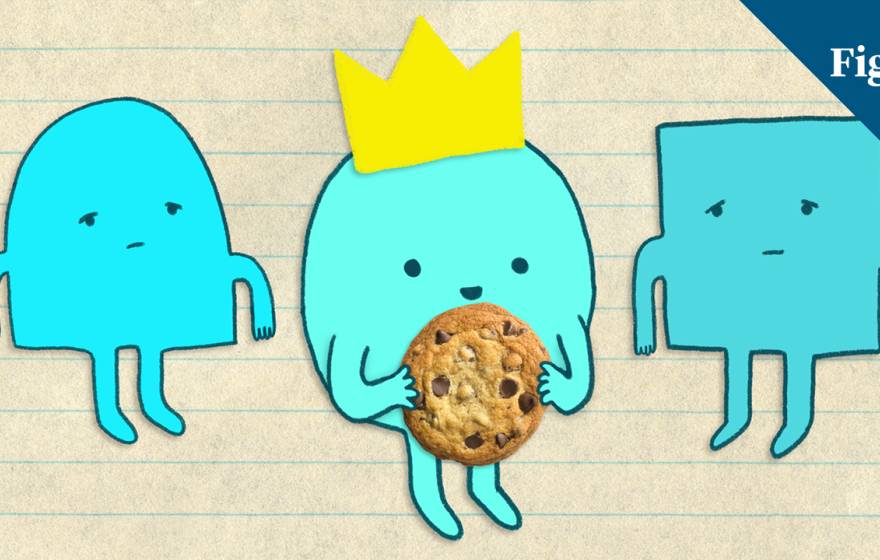
Fig. 1 by University of California |
How power makes people selfish
'Power tends to corrupt; absolute power corrupts absolutely,' said the British historian Lord Acton. Unfortunately, this is not entirely a myth. UC Berkeley psychologist Dacher Keltner explains some of the ways in which power encourages individuals to act on their own whims, desires and impulses.
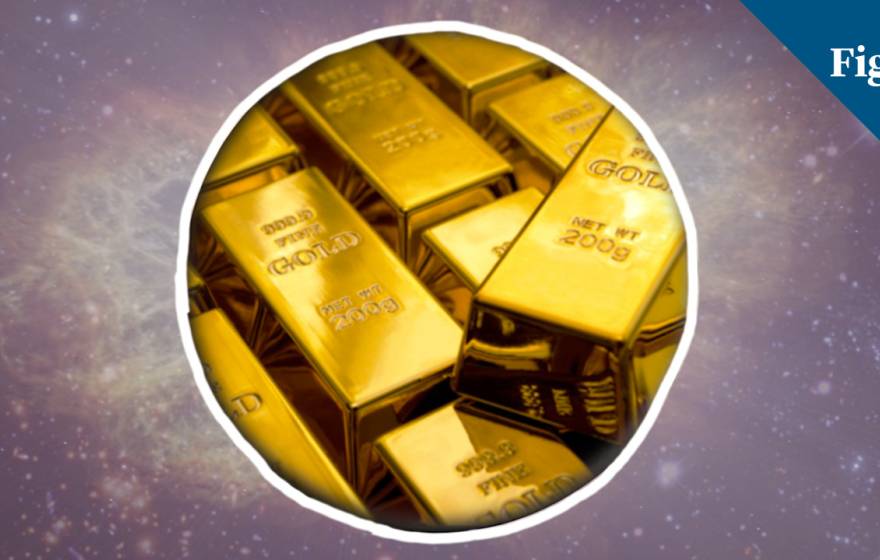
Fig. 1 by University of California |
Where does gold come from?
The iron in our blood or the oxygen that we breathe all formed during chemical reactions inside of a star. But when it comes to heavier elements such as gold, a different process might be at play. UC Santa Cruz's Enrico Ramirez-Ruiz has his own theory about where gold comes from in the universe — it may have to do with the spectacular explosions of supernovae.
Fresno Bee |
UC Davis study: Drought will cost state’s farmers $1.5 billion
With hundreds of thousands of acres of irrigated cropland removed from production this summer, the state expects losses in crop revenue, dairy and livestock value, and added costs from well-pumping.
New York Times |
Why should toys come in pink and blue?
Roundtable discussion — including UC Davis sociologist Elizabeth Sweet — addresses the gendered marketing of toys.
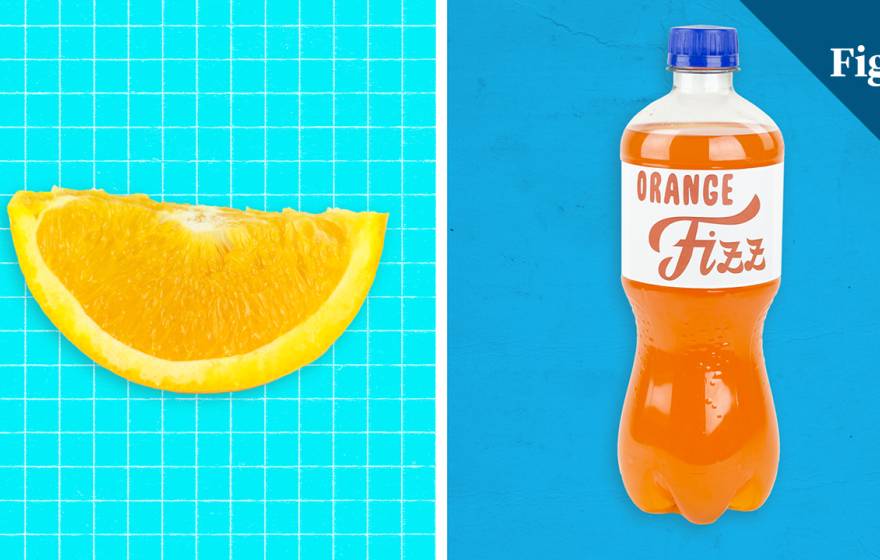
Fig. 1 by University of California |
Is sugar in fruit different than sugar in soda?
How does the sugar in fruit compare to the sugar in processed foods like soda or cookies? Kimber Stanhope, a nutritional biologist at UC Davis, walks us through the science.
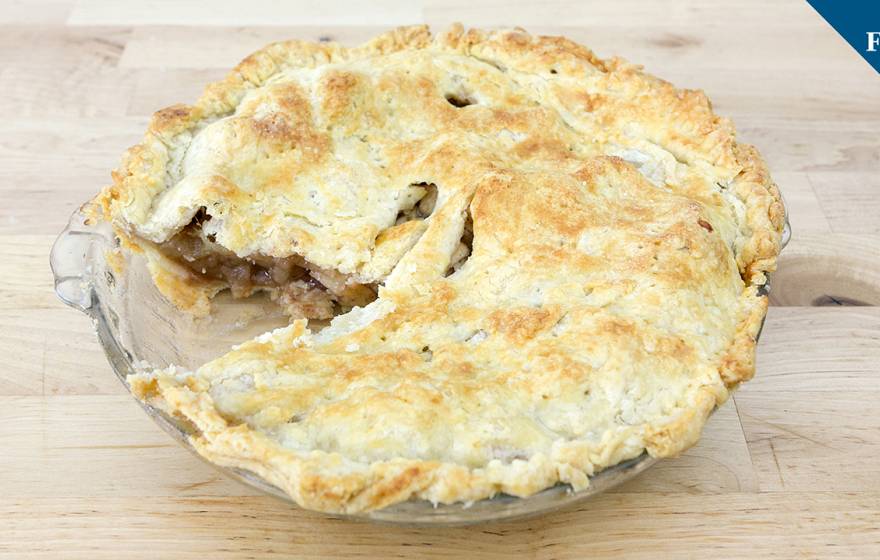
Fig. 1 by University of California |
Make the best pie ever using science
You may have Grandma’s recipe for the perfect crust, but do you really know what goes on at the molecular level? UCLA biophysicist Amy Rowat shares some of the scientific aspects of apple pie and explains how you can apply these insights in the kitchen.
ABC News |
California gets funding for quake warning system
$5 million has been allocated for the public alert system in a major spending bill approved by Congress.
U-T San Diego |
Cellular noise decoded
Living things transmit precise information through a constantly internal environment. UC San Diego researchers say they've found a principle that could explain how this can take place.
National Geographic |
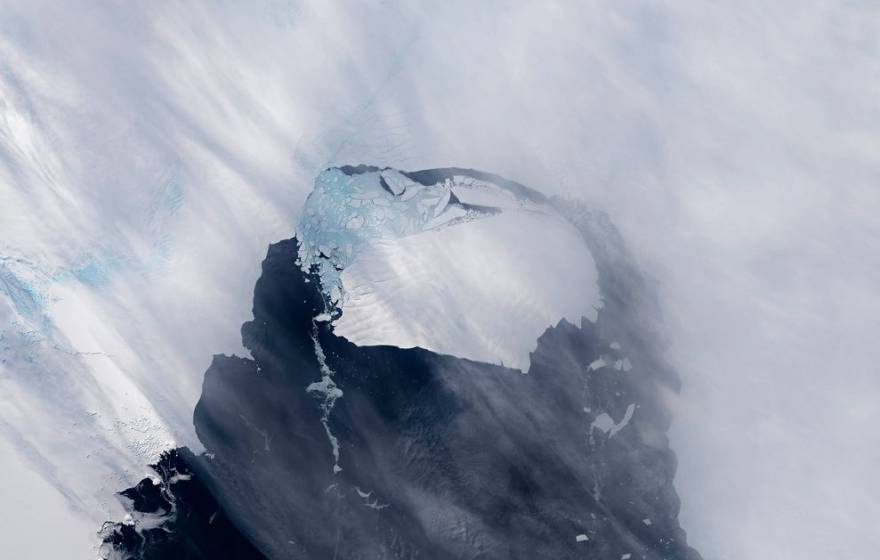
Warming seas speed up melting Antarctic ice
UC Irvine research: As warm ocean water rises up to melt them, glaciers around the Amundsen Sea are losing half a Mount Everest a year.
Science Today |
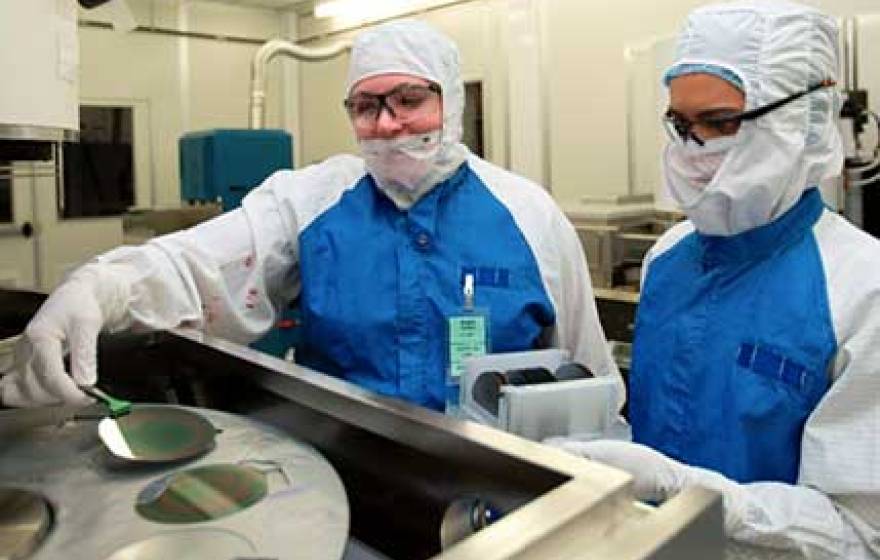
Neural device designed to restore memory
Livermore Lab research engineers are working on the world's first implantable neural device to help the brain restore memory.
UCSB GradPost |
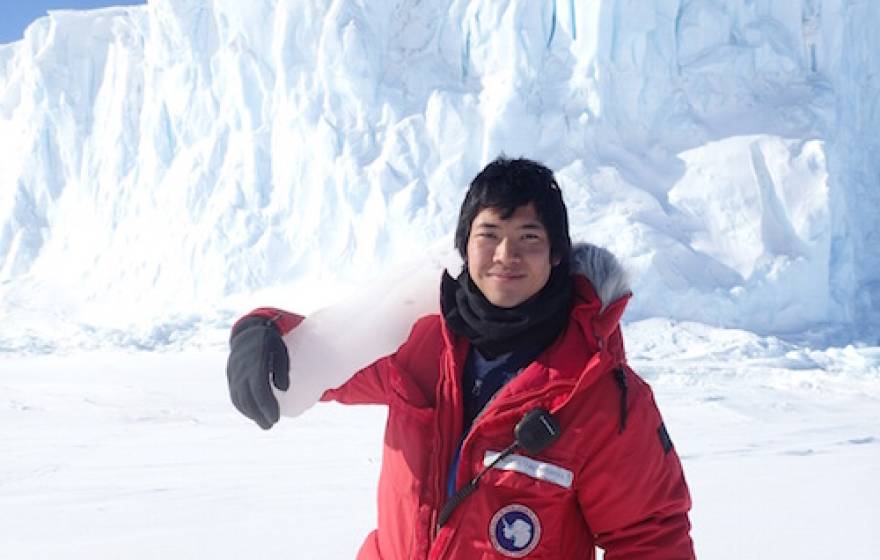
Grad student takes on bitter cold and fast penguins
Far from balmy Santa Barbara, Umi Hoshijima is conducting ocean research in Antarctica.