UCSB GradPost |
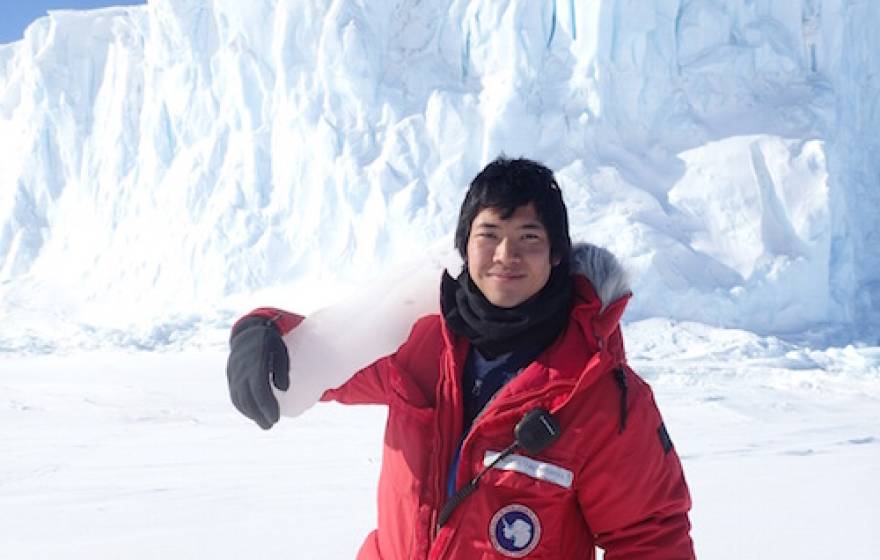
Grad student takes on bitter cold and fast penguins
Far from balmy Santa Barbara, Umi Hoshijima is conducting ocean research in Antarctica.
Scientific American |
Vision-correcting display among ‘World Changing Ideas’ for 2014
Technology to pre-correct displays on computer screens for vision-impaired users, developed by UC Berkeley engineers in collaboration with MIT colleagues, has been named one of the top 10 “world-changing ideas” of 2014.

Fig. 1 by University of California |
We are built to be kind
Psychologist Dacher Keltner from UC Berkeley seeks to better understand why people evolved pro-social emotions like empathy, compassion and gratitude.
San Francisco Business Times |
UC pathfinder leads startups to success
UC San Francisco star innovator has spent his career bringing science from lab bench to the patient bedside.
Los Angeles Times |
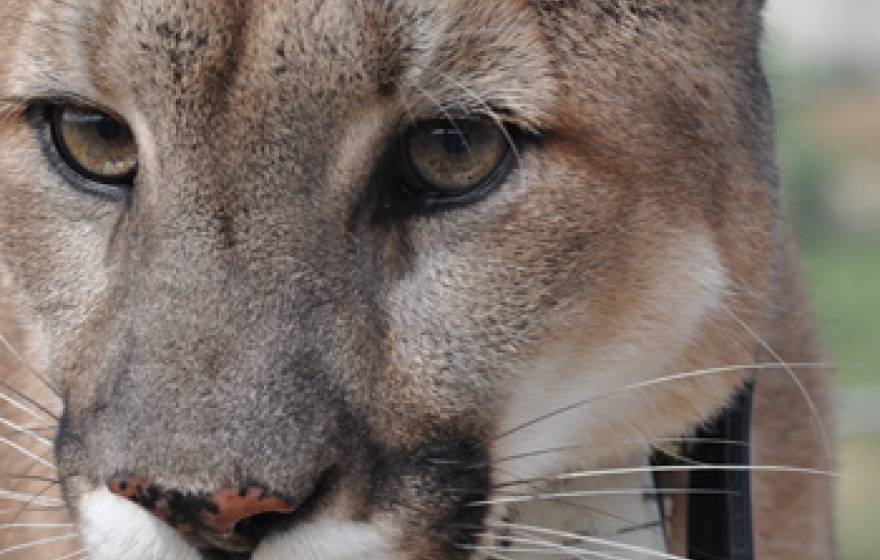
As species decline, so does research funding
Terrie Williams, UC Santa Cruz: Misrepresentation of research has the potential to affect wildlife conservation for years to come.
Popular Science |
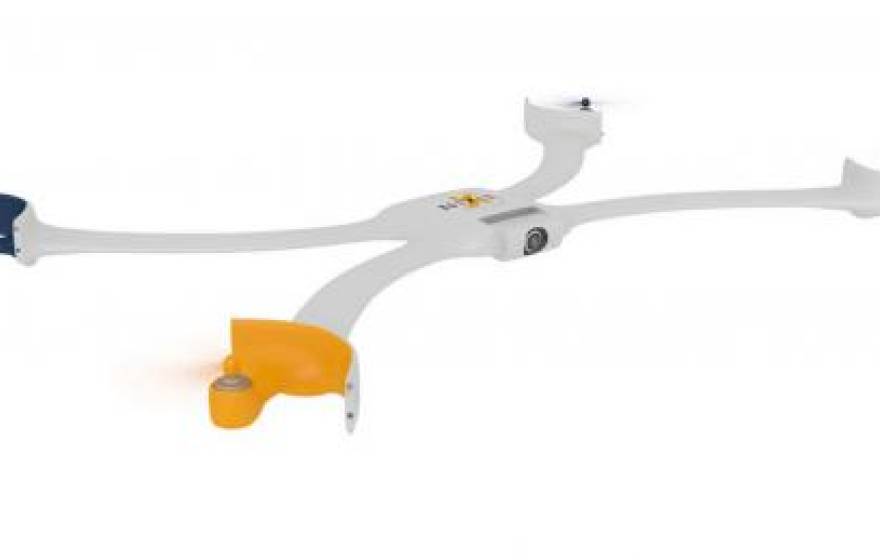
Wearable drone flies up from your wrist
Drones, wearable tech and the ubiquitous selfie converge in Nixie — whose team members have multiple UC connections — now a finalist in Intel’s 'Make It Wearable' competition.
UC Research Tumblr |
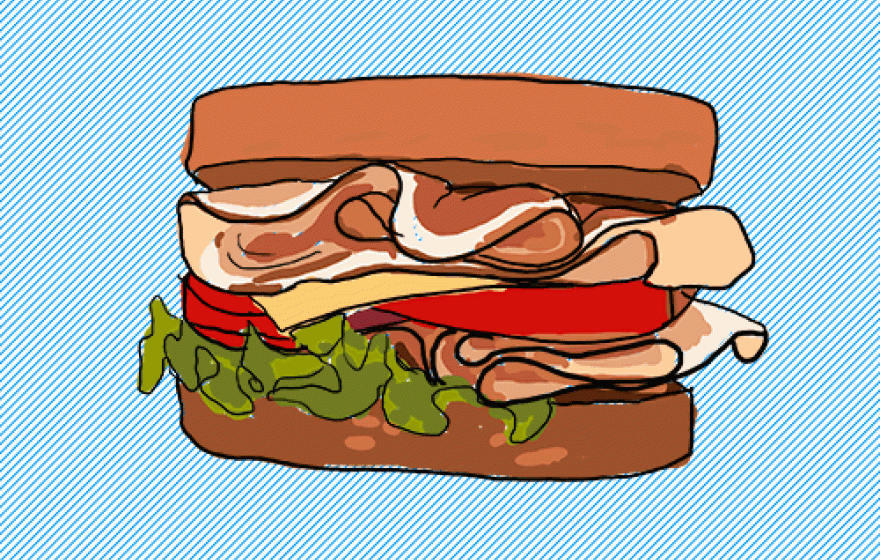
The research inside your lunch
Before you bite into your turkey (or tofurkey?) sandwich today, consider how UC has helped improve numerous food items.

Science Today |
Citizen scientists help track space dust
Imagine if you could help identify space dust brought back from outside the solar system. It’s possible – and it’s been done – by volunteers in a citizen scientist project called Stardust@Home.
NPR |
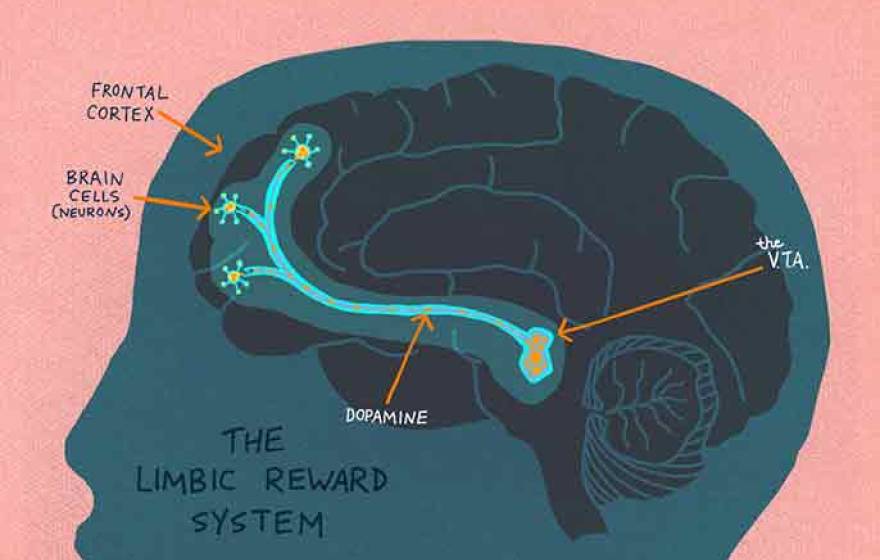
Curiosity: It helps us learn, but why?
New research from UC Davis suggests that curiosity triggers chemical changes in the brain that help us better understand and retain information.
San Francisco Chronicle |
A sprinkle of compost helps rangeland lock up carbon
A compost experiment that began seven years ago on a Marin County ranch has uncovered a disarmingly simple and benign way to remove carbon dioxide from the air.
PBS Newshour |
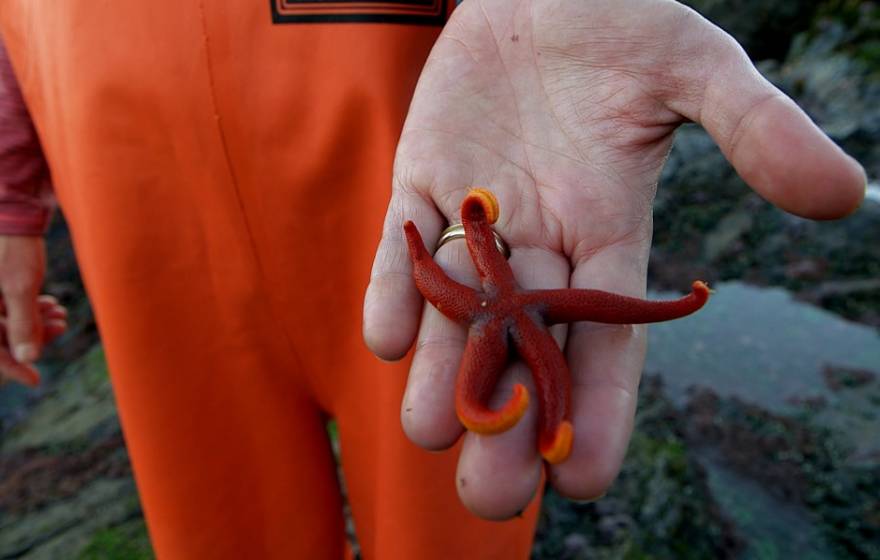
Can Alaska’s waters be a respite for sick sea stars?
A deadly disease has been wiping out West Coast sea stars for more than a year. One place that has held off the disease the longest is Alaska. Researchers recently traveled there to search for new clues.

UC Berkeley |
Lessons from Loma Prieta
The devastating Loma Prieta quake was 25 years ago. Richard Allen, professor and director of the UC Berkeley Seismological Laboratory, discusses the lessons we've learned. (USGS photo)