
UC Berkeley |
Lessons from Loma Prieta
The devastating Loma Prieta quake was 25 years ago. Richard Allen, professor and director of the UC Berkeley Seismological Laboratory, discusses the lessons we've learned. (USGS photo)
Chronicle of Higher Education |
NIH awards $32 million to tackle Big Data in medicine
UC San Diego, UC Irvine and UCLA are among recipients who seek ways to handle data in search of medical discoveries.
San Francisco Chronicle |
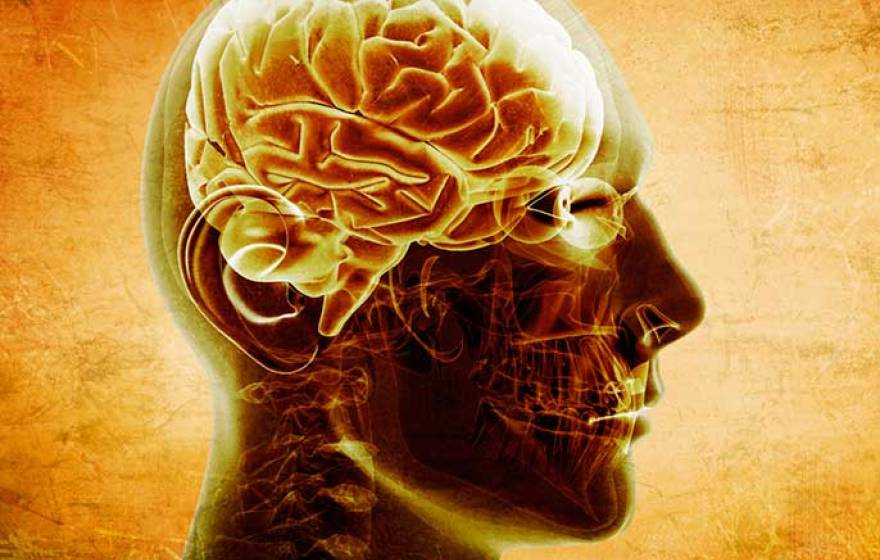
New wave of brain research aims at understanding every function
UC scientists were big winners in latest round of funding, with money going to projects at UCSF, UC Berkeley, Lawrence Berkeley National Laboratory, UC Davis, UCLA, UC Irvine and UC San Diego.
Wired |
Why it’s so hard to lose an accent
Accents are extremely difficult to lose because our infant brains codify a lifetime's worth of sounds before we've spoken our first word.
ABC News |
Will your lifestyle hurt your grandchildren?
UC Santa Cruz researcher's finding that scars from environmental stresses can be passed on from one generation to the next proves to be an advance in the new field of epigenetics.

Science Today |
Producing hotter jalapeno peppers
How hot do you like your peppers? Researchers at the University of California are working the heat levels of the jalapeño pepper down to a science.

Lawrence Berkeley Lab |
How hot or cool is your roof?
How cool is your roof? If you live in the California cities of Bakersfield, Long Beach, Los Angeles, San Francisco or San Jose, you can find out with Berkeley Lab's interactive map. It's part of the lab's heat island research.
Science Today |
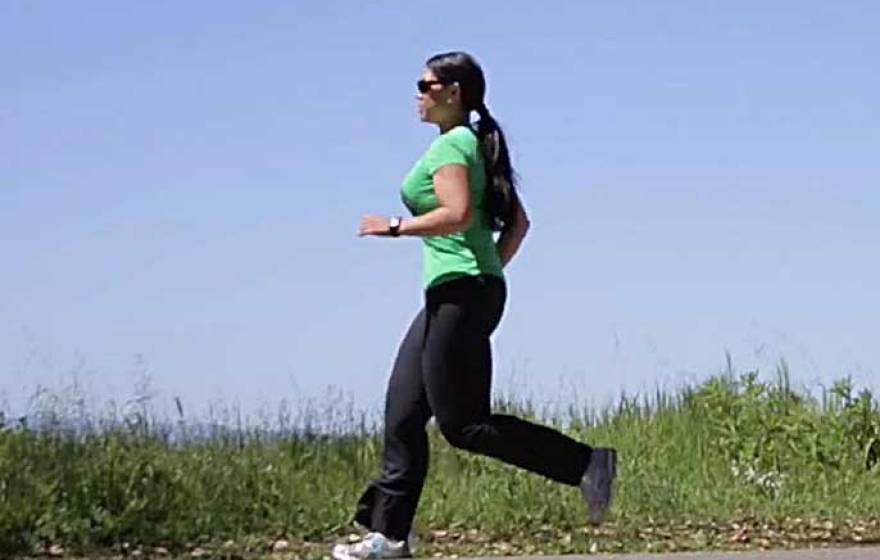
Healthy lifestyle may buffer against impacts of stress
A new study suggests that maintaining a healthy diet, exercising and sleeping well through the stressful times may buffer against the negative impacts of stress — on a cellular level.

UC Berkeley |
Human faces are so variable because we evolved to look unique
The amazing variety of human faces – far greater than that of most other animals – is the result of evolutionary pressure to make each of us easily recognizable.
Wired |
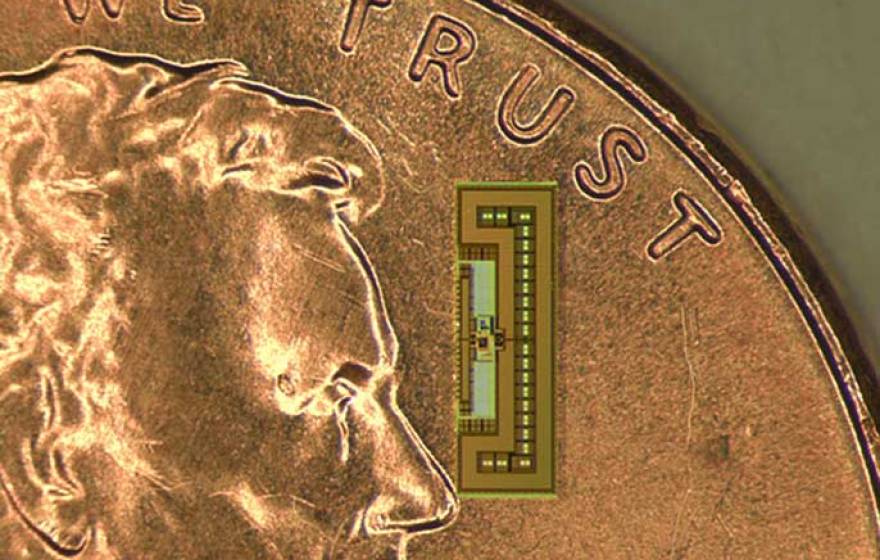
Ant-sized radio powered by the messages it receives
Engineers from UC Berkeley and Stanford University have printed an ant-sized radio onto a silicon chip.

UC Berkeley |
Public officials support Berkeley's earthquake warning system
Public officials are urging California and the nation to put in place Berkeley Seismology Laboratory's Earthquake Early Warning System.
Al Jazeera America |
On Calif. coast, biotoxins cause deadly sea lion seizures, seafood scare
An outbreak of algae-produced biotoxins that attack animals' brains also poses a grave risk to humans.