Soybean oil is linked to metabolic and neurological changes in mice in new research.
UC Santa Barbara |
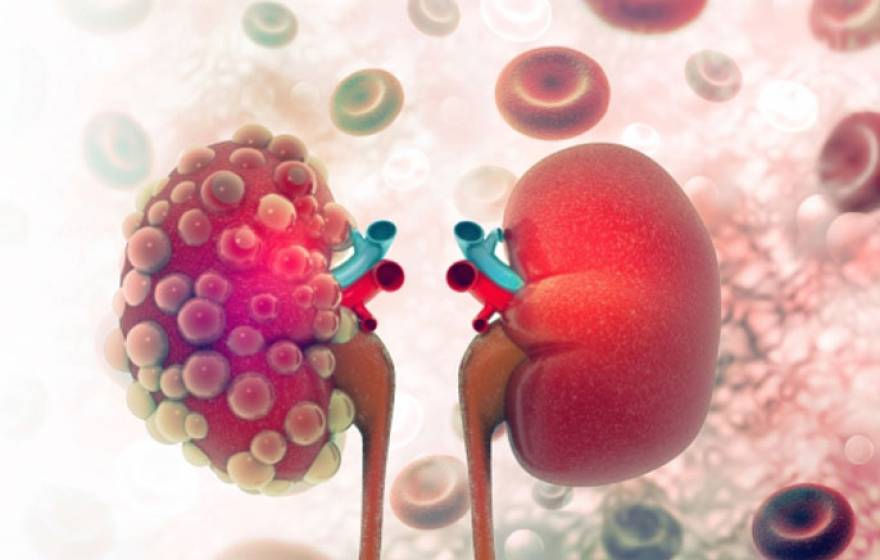
Reversing polycystic kidney disease
The inherited disorder has long been thought to be irreversible, but changes to diet could provide hope.
UC Irvine |
How cilantro works as a secret weapon against seizures
Cilantro has been used as food and medicine for 8,000 years. Now, scientists know how it works to curb epileptic seizures.

UC Davis |
Dogs on some popular, grain-free diets could be at risk of heart disease
Trendy dog food formulations lacking in some nutritional elements can bring about unintended harm to your pets.

UC Newsroom |
How to make the best pie ever using science
What's going on in Grandma's recipe at a molecular level.

UC Davis |
10 things you probably didn't know about pumpkins
How much do you know about this beloved fall symbol? Test your knowledge here.
UC Newsroom |
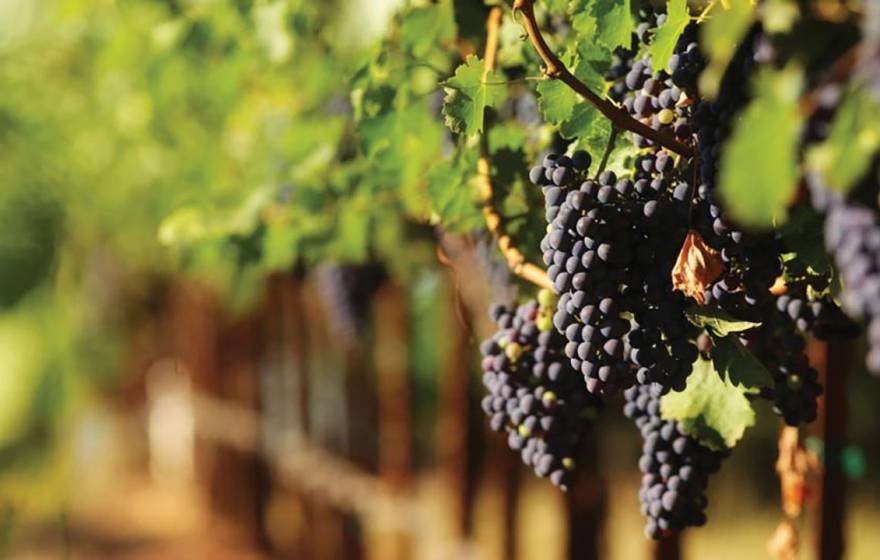
The way we've been thinking about olive oil is all wrong.
Olive oils can be appreciated like wines — and the UC Davis Olive Center wants you to have a taste.
UC Newsroom |
How California became a food and wine lover's dream
The little known history of the land of milk and honey.
UCLA |
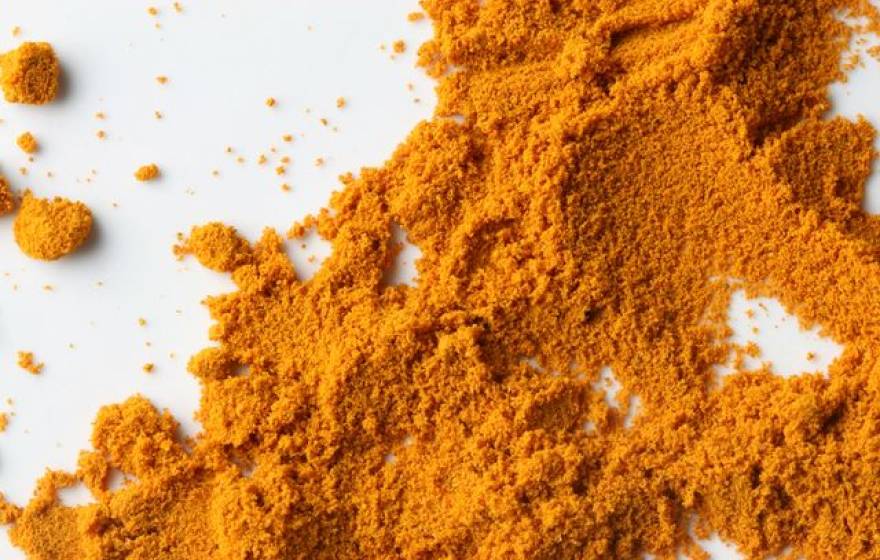
Curcumin improves memory and mood, new study says
Lovers of Indian food, give yourselves a second helping. The compound found in turmeric has new benefits.
UC Newsroom |
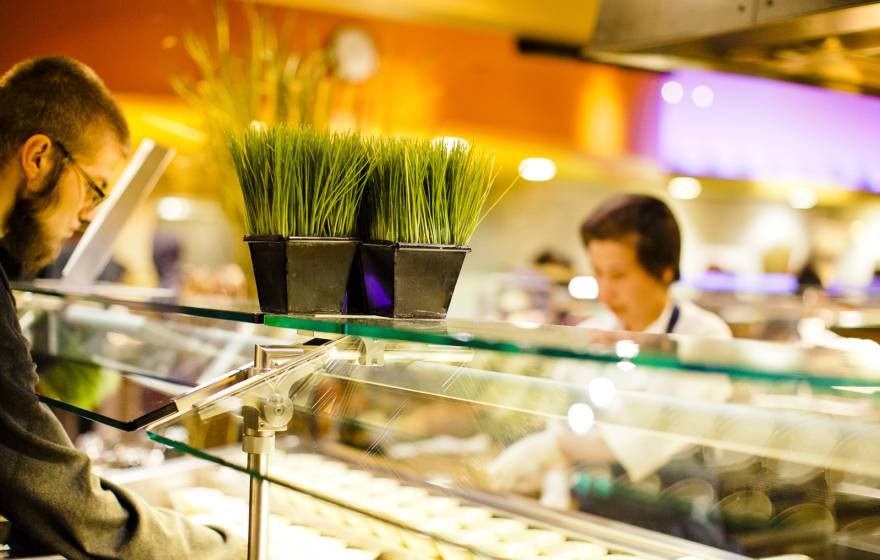
Can behavioral psychology help stop food waste?
Sustainable dining is a huge deal on college campuses today, and the University of California, Santa Barbara is no exception. In fact, for years they’ve been taking an innovative approach towards reducing food waste by using behavioral psychology techniques to help diners reduce waste, often without even knowing it.
UC Newsroom |
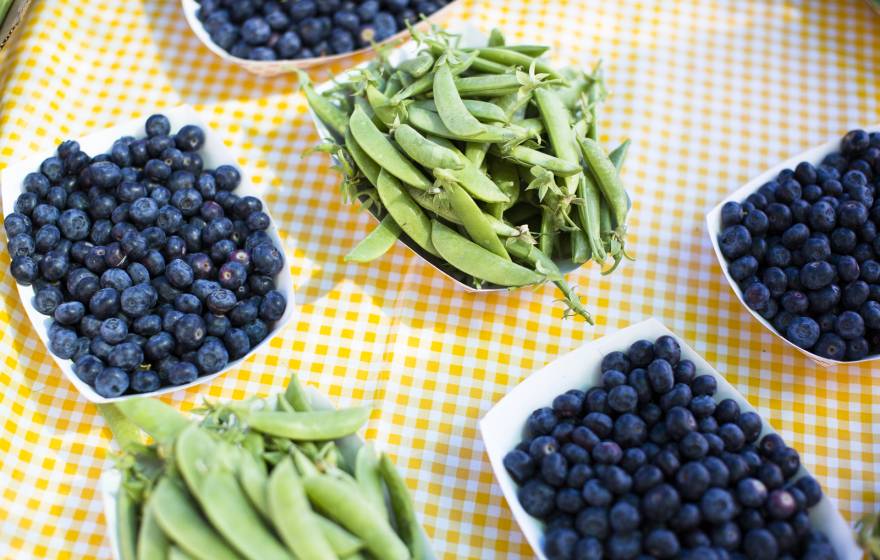
Quiz: Do you know how your diet affects the planet?

UC Newsroom |
Can farmed fish feed the world sustainably?
The world’s population is expected to soar by an additional 2.5 billion people by 2050, bringing a host of global challenges – including how to feed so many hungry mouths.