UC San Francisco |
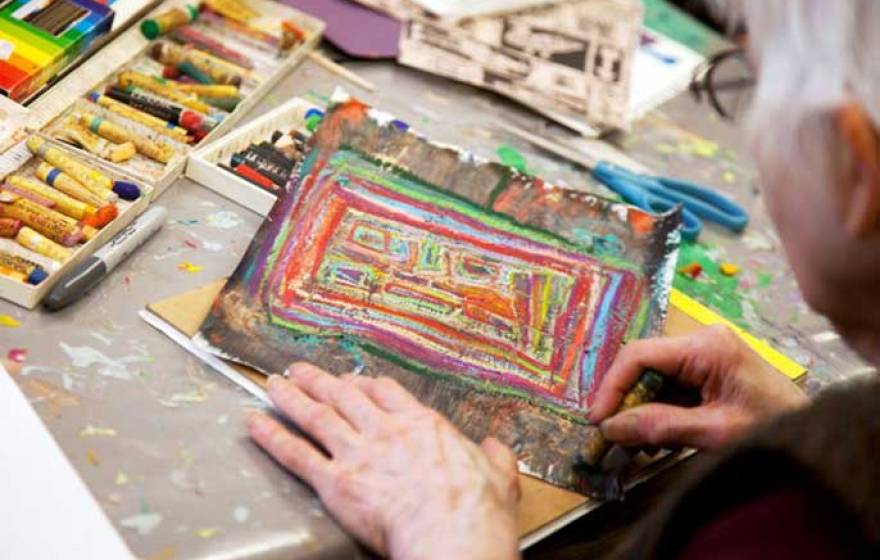
The art of healing
The idea of art as medicine dates back to antiquity, but recently the concept is drawing increasing interest from the medical and science communities.
UC San Diego |
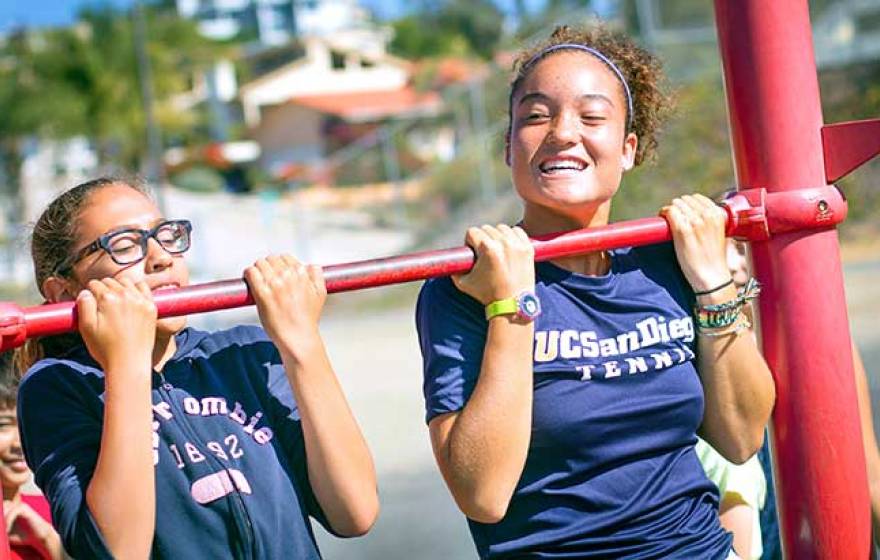
Making an ‘IMPACT’ on childhood obesity
UC San Diego and San Diego Unified School District partner to get kids active.
UCSF Magazine |
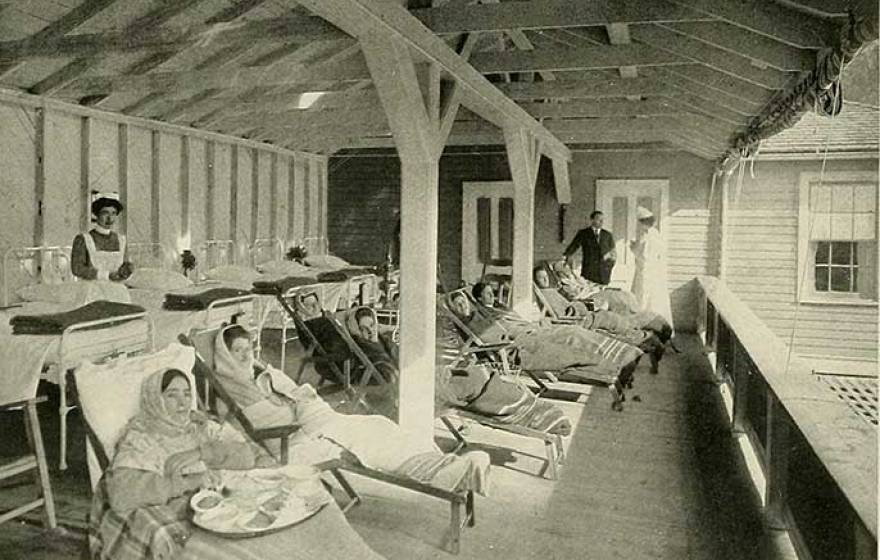
UCSF's battle with tuberculosis
UCSF's battle with tuberculosis is woven into San Francisco’s history, from its early public health partnership with SF General Hospital to the research and training that have led to a global attack on the disease.
Oakland Tribune |
HIV/AIDS prevention project targets young men of color
California HIV/AIDS Research Program supports the CRUSH project, which is tailored to those greatest at risk for HIV infection within Alameda County, and most underreached.

UC Davis |
Even those who know better find junk food irresistible
The sight of a burger and fries pushes our happy button, even if you know a salad is better for you.
UCLA |
African governments should target hot zones to stop HIV spread
Researchers have devised a plan they say would be much more effective in reducing HIV transmission than simply trying to distribute antiretroviral drugs to as many people as possible.

UCLA |
Life in America: Hazardous to immigrants’ health
Over time, the health status of immigrant groups tends to decline. Public health researchers are untangling the causes and promoting solutions.
UC Newsroom |
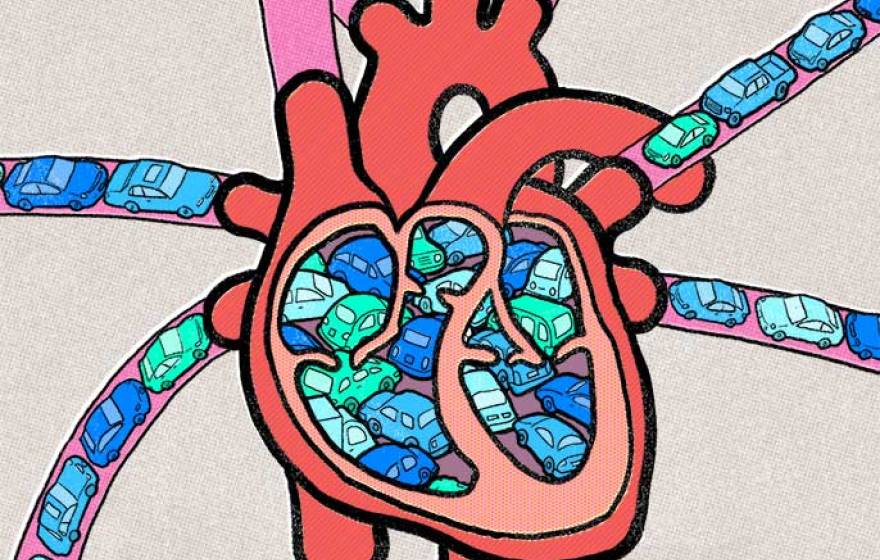
How traffic jams affect heart health
Clogged interstates aggravate clogged arteries, according to research by a UC Irvine graduate student.
UC San Diego |
Sleep apnea linked to poor aerobic fitness
The disorder may contribute to difficulty with exercise, rather than the other way around.
UC Davis |
$100 million to lead program to predict, prevent pandemic threats
PREDICT project is part of an international campaign to rapidly detect and respond to emerging viruses such as Ebola and SARS that move among people, wildlife and livestock.

UC Newsroom |
12 things you didn't know about holiday foods
To highlight the UC Global Food Initiative, here is a sampling of holiday-themed UC food research from each campus.
UC San Francisco |
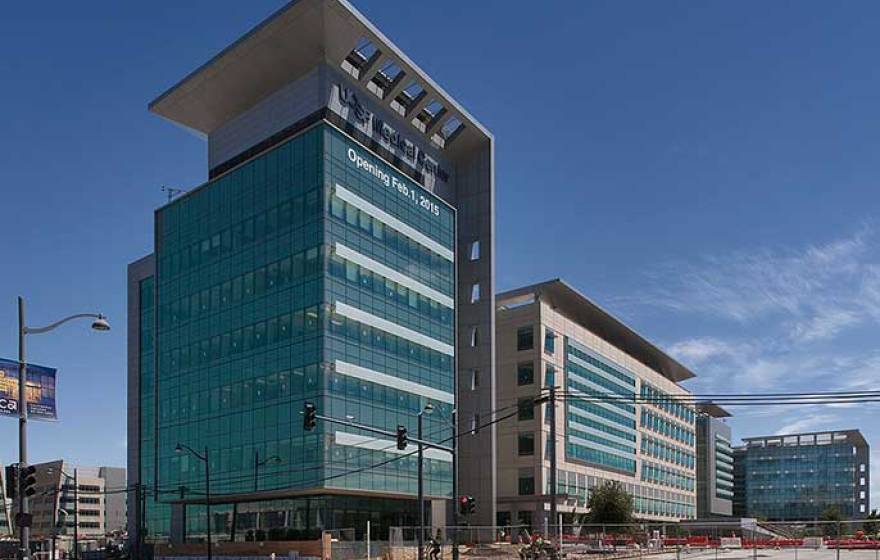
UCSF looks forward to hospital complex opening at Mission Bay
Three new hospitals for women, children and cancer patients are slated to open in February 2015.