
UC Davis |
Fidgeting may help children with ADHD perform better in school
Study: Children who moved more intensely exhibited substantially better cognitive performance.

Slate |
Overcoming waste water's gross-out factor
Can science solve the public's revulsion to recycled water? A UC Santa Cruz professor strives to make it happen.

UC Santa Barbara |
Our forests are dying
Drought, heat and insects are responsible for the death of more than 12 million trees in California.

UC Santa Cruz |
Dwindling fish linked to excess nutrients
Nutrient-rich runoff from land takes a toll on fish nurseries in coastal estuaries and subsequently on commercial fisheries.
UCLA |
Researchers find molecular rules that govern autoimmune disorders
Discovery could lead to better treatment and control of lupus, psoriasis and other ailments.

California Magazine |
Rethinking the idea of Social Security numbers
Cyberattacks have raised questions about the use of Social Security numbers as universal identifiers. If we can't stop using them, what else can people do to fend off identity thieves?

UC Berkeley |
Is motorcycle lane-splitting safe? New report says it can be
Car motorists may not like it, but lane-splitting at moderate speeds doesn't necessarily pose a greater risk for injury.

UC Berkeley |
Get the giggles often? It may be in your DNA
A gene involved in the regulation of serotonin makes some of us more prone to spontaneous smiles and bursts of laughter.

UC Santa Cruz |
Scientists discover protein that silences the biological clock
Disruption of the clock has been associated with a variety of health problems, including diabetes, heart disease, and cancer itself.
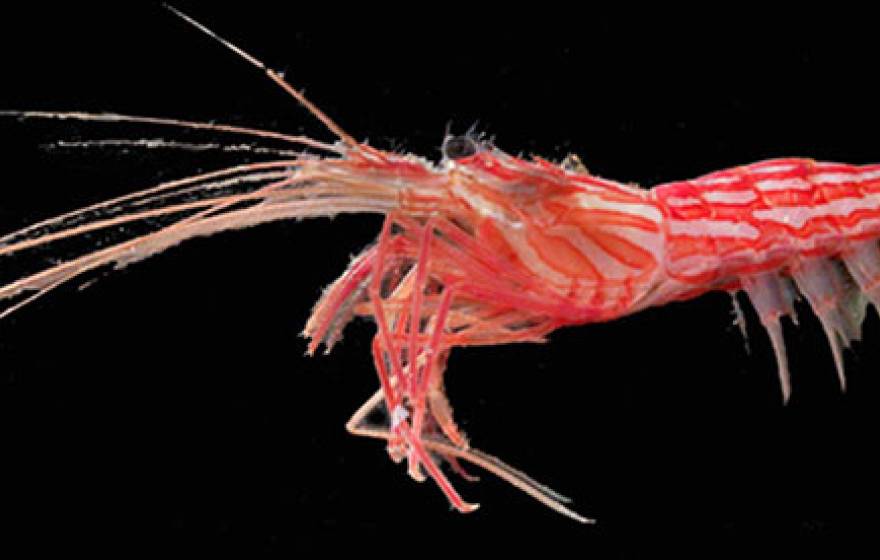
UC San Diego |
Cloudy shrimp, thanks to ocean acidification
Increased acidity is linked to more calcium in shrimp shells and, as a result, decreased shrimp transparency.
UCLA |
Number of Asian American voters projected to double by 2040
Study explores implications for upcoming political races.
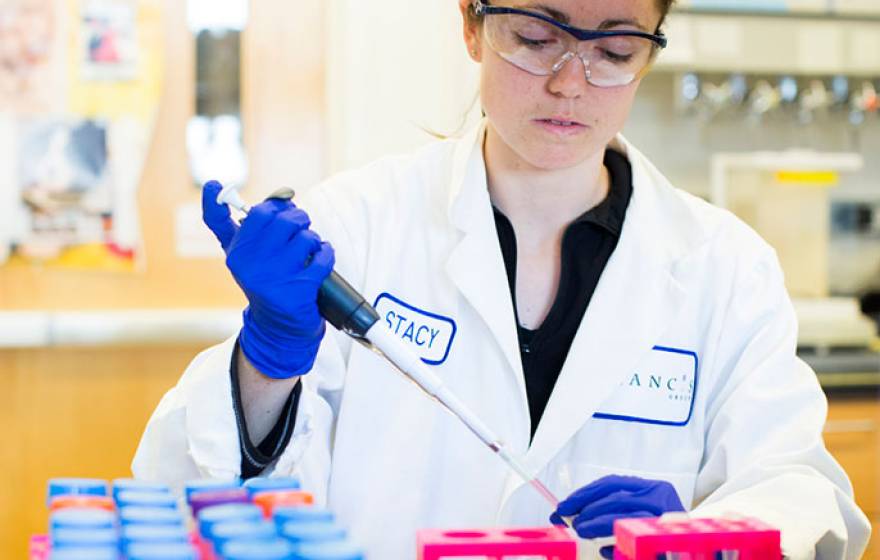
UC Center for Occupational and Environmental Health |
New approach to ID chemicals that raise risk of breast cancer
Exposure to synthetic chemicals and pollutants in air, water, food, workplaces and consumer products may account for a significant portion of breast cancer risk.