A new UC Berkeley study demonstrates how nutritional changes can lower the amount of insecticide traces in kids.

Santa Cruz Sentinel |
Organic diet cuts pesticide exposure in children

The New York Times |
Study links sleeplessness and false confessions
UC Irvine researcher finds that interrogations during normal sleep hours can result in misleading information.
Medium |
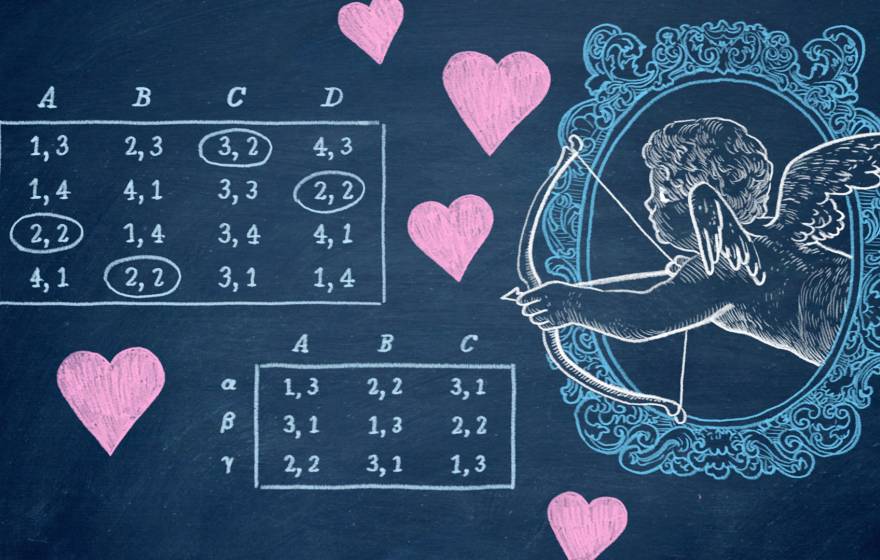
How a matchmaking algorithm saved lives
Long before dating sites, a pair of economists delved into the question of matchmaking, and hit upon a formula with applications far beyond romance.
Carry the One Radio |
Me, myself & my microbiome
UCSF's Katie Pollard discusses the nearly 5 pounds of bacteria living with each of us, known as the human microbiome.
Orange County Register |
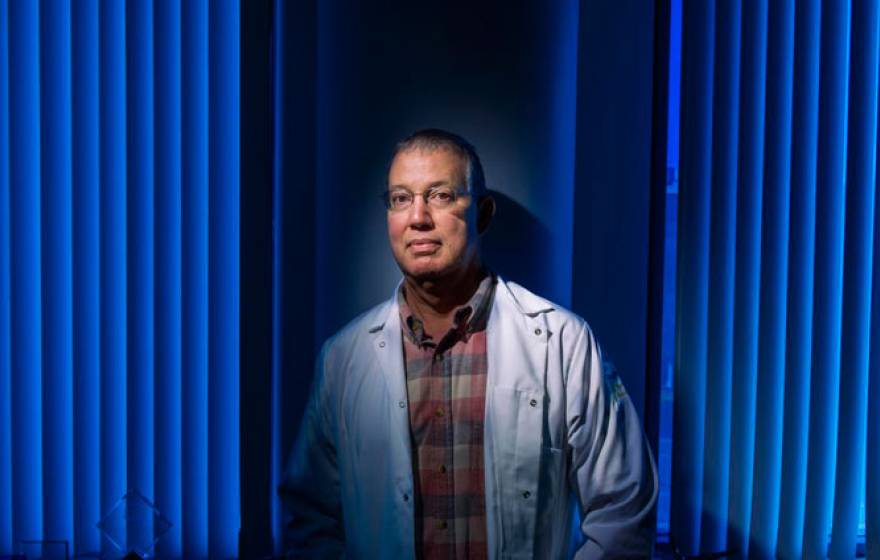
Waging a mosquito war
UC Irvine researcher wants to get rid of malaria, Zika and more.

BBC |
The blessing and curse of the people who never forget
Neuroscientists at UC Irvine study the secrets of those with "highly superior autobiographical memory."
Scientific American |
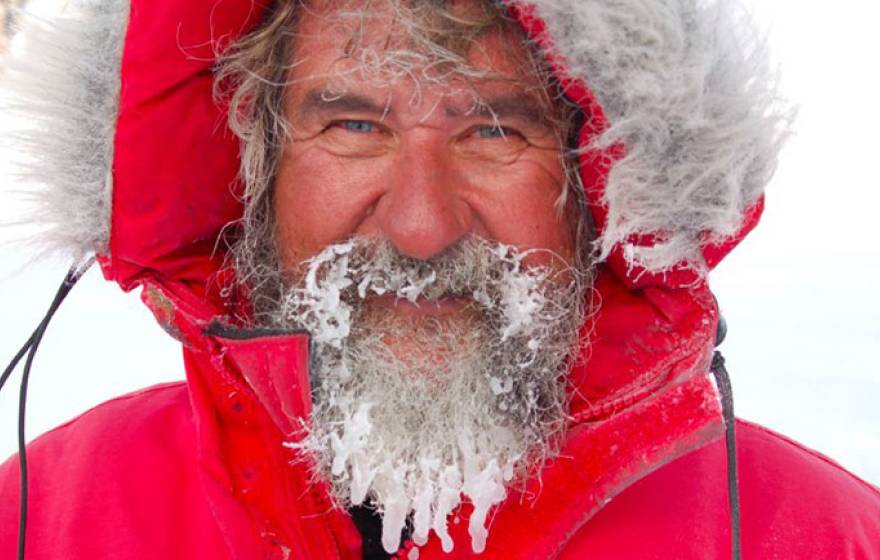
'Schizophrenia gene' discovery sheds light on possible cause
A UC San Diego scientist weighs in on an important new schizophrenia study.
San Diego Union-Tribune |
Scripps' research to be showcased at Birch Aquarium
Public invited to explore the expeditions of UC San Diego's Scripps Institution of Oceanography.

UCLA Magazine |
Crime is no match for math
Algorithms developed at UCLA are helping the Los Angeles Police Department cut down on crime.
The Wall Street Journal |
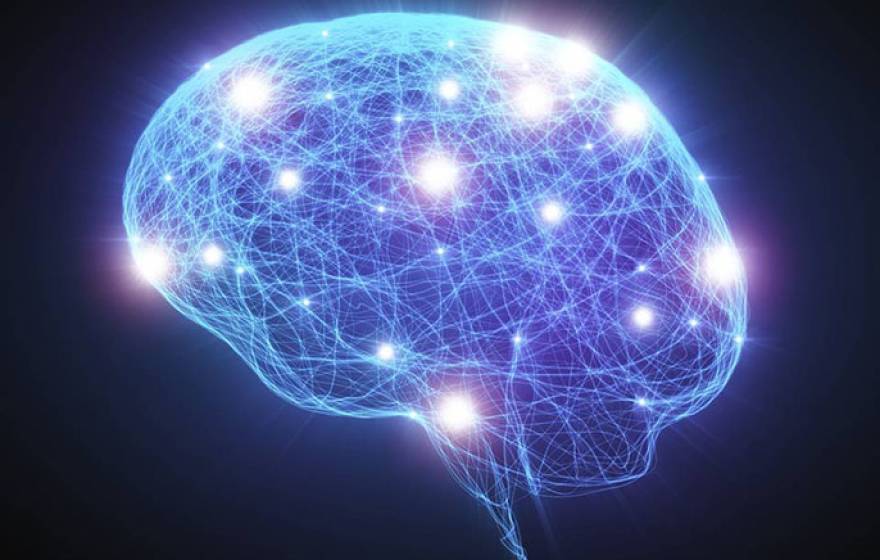
A bright approach to brain implants
New light-based brain implants and brain reading research from UC Berkeley could lead to more targeted therapies for neural damage.

The Daily Californian |
New photosynthesis model holds promise for crop yields
Lawrence Berkeley National Laboratory shows that plants can turn light into energy faster than previously thought possible.

The New York Times |
UCLA biologist helps lead search into dogs' origins
A new international project tests ancient DNA to finally settle the question of where dogs come from.