UC San Francisco |
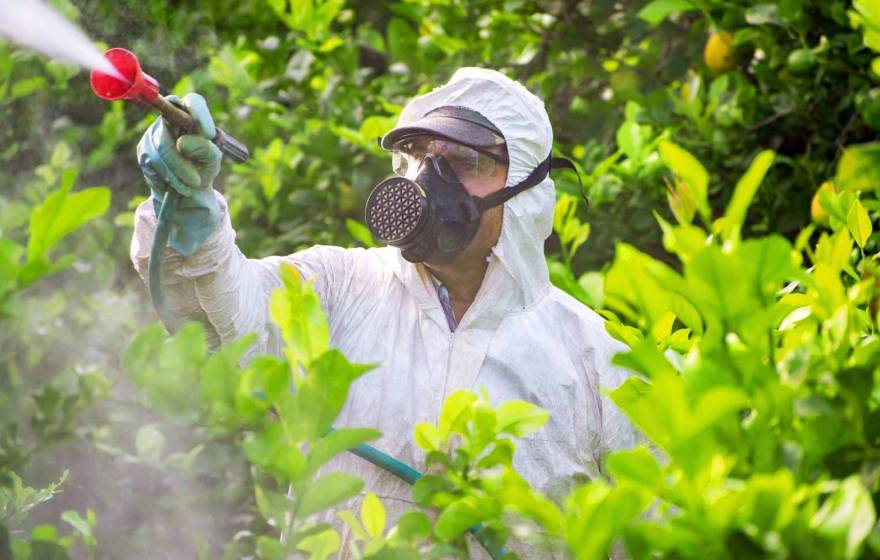
Parkinson’s rates are surging. Is exposure to poisons to blame?
The upsurge in Parkinson's cases has been described as reaching pandemic levels. Dr. Caroline Tanner discusses her research, which explains why cases are rising, and what we can do to reduce our risk or slow progression.
UC Berkeley |
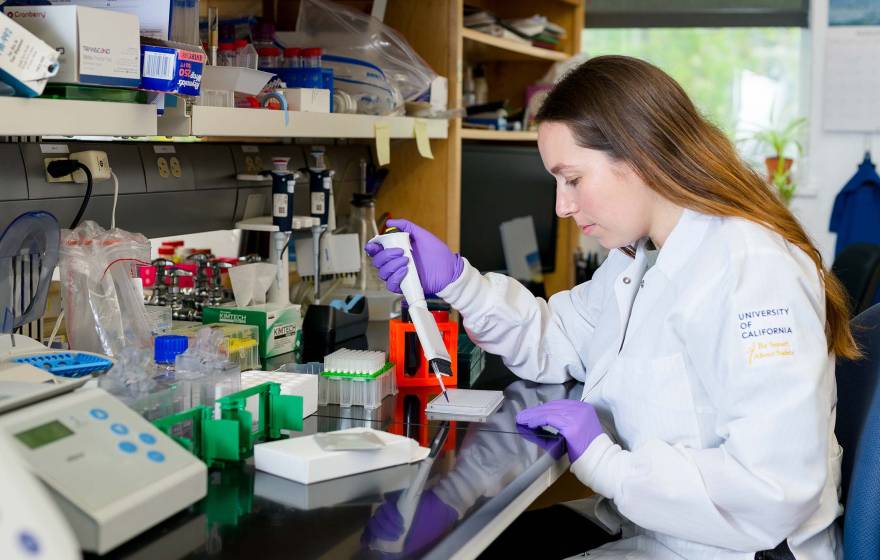
A promising new weight loss and diabetes treatment helps burn fat while keeping muscle
Unlike GLP-1s, which work by suppressing appetite and lowering energy intake, a molecular compound identified by UC Berkeley scientists helps cells burn extra energy with no change in food intake or exercise, and shows promise in mouse models.

UC Riverside |
Culture change may help firefighters reduce cancer risk
Soot-caked gear has long been a symbol of grit and experience among American firefighters. Yet exposure to contaminated equipment can increase the risk of cancer. Now, attitudes toward protective wear and other safety measures may be shifting in California firehouses.

UC Newsroom |
Why a UC food safety expert still eats salad during a Cyclospora lettuce outbreak
A Cyclospora outbreak linked to lettuce has many Americans wondering whether it's still safe to eat leafy greens. We asked UC Davis food safety expert Erin DiCaprio what consumers should actually know.

UC Newsroom |
Wildfire smoke is worse than you think
Scientists at the University of California are studying how this growing crisis affects our health — and the findings are alarming.

UC Newsroom |
What you need to know about the latest stomach bug — cyclosporiasis
Dr. Dean Blumberg, chief of pediatric infectious diseases at UC Davis Children’s Hospital, explains the new foodborne parasite outbreak now affecting a majority of the United States.

UC Newsroom |
How veteran care at UC transforms the future of medicine — for everyone
At UC, veterans and their healthcare needs are at the forefront — from patient care to breakthrough research to partnerships that help train the next generation of health professionals.

UC Davis |
Loneliness drives cognitive impairment, can lead to shorter life, study suggests
A National Institutes of Health study with data from 18 countries suggests that older people who struggle with loneliness — rather than strictly being alone — may experience a faster mental and physical decline.

UC Irvine |
The ‘dad bod’ dilemma
A new UC Irvine study highlights how fathers may influence childhood obesity risks.

UC San Diego |
New study shows popular GLP-1 weight loss drug may slow biological aging
A new study provides the first clinical evidence that popular semaglutide drugs, like Ozempic or Wegovy, could slow down processes associated with biological aging.

UC Riverside |
What is screwworm, and what is the outlook for the outbreak?
Earlier this month, the USDA confirmed the presence of screwworm in Texas, which could decimate the multibillion-dollar cattle and dairy industry. UC Riverside entomologists answer some of the questions arising from such a threat.
UC San Francisco, UC Berkeley |
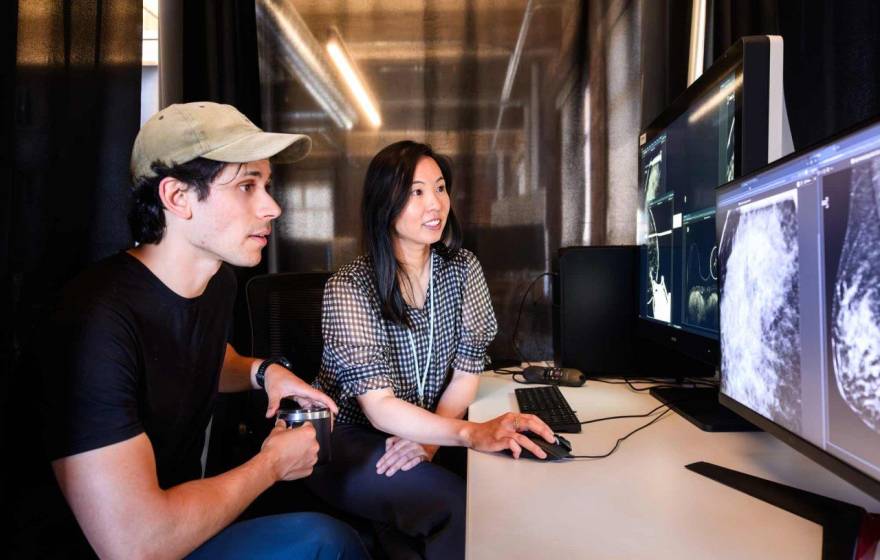
How new AI cuts breast cancer screening time for high-risk women
Using AI on mammograms can identify patients at highest risk for breast cancer and get them same-day follow up care, eliminating stressful waiting times.