Los Angeles Times |
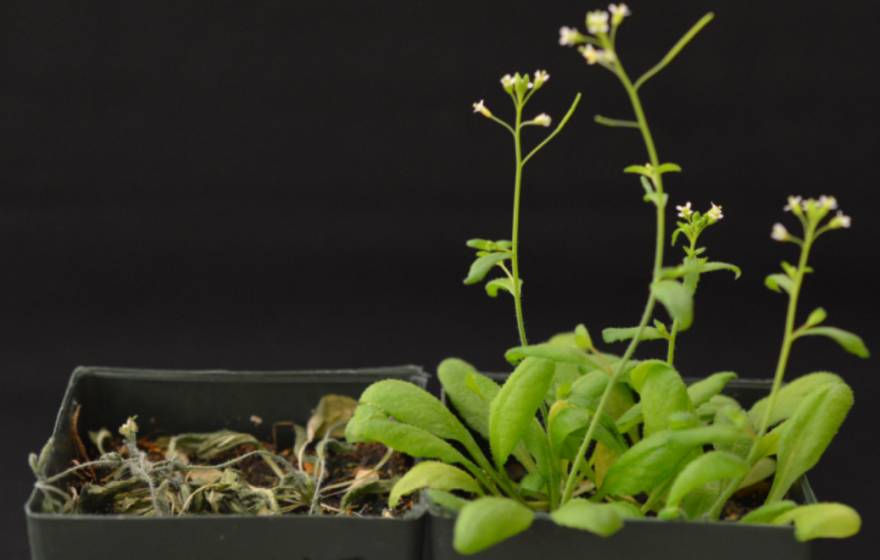
Can scientists engineer drought-tolerant plants?
As the California drought enters its fourth year, scientists — among them, UC Riverside's Sean Cutler — are trying to genetically engineer plants that survive on less water.
National Geographic |
Trying to be less stupid
Aren't we all? It's the work of brain science, and UC Santa Barbara neuroscientist Michael Gazzaniga discusses where the next big breakthroughs in understanding the brain will come from.
Calit2ube/UC San Diego |
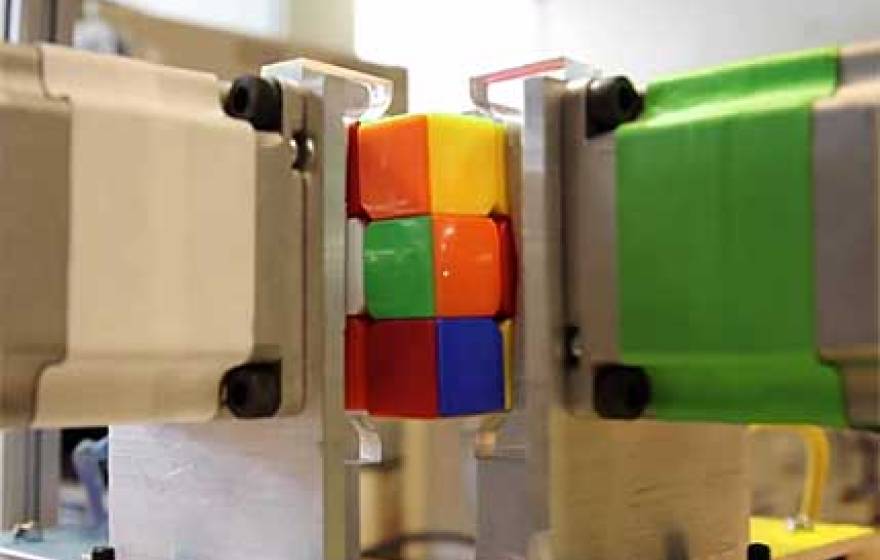
A robot that solves Rubik's Cube
Ruku is the first Raspberry PI Rubik's Cube-solving robot, and has the potential to inspire students to be interested in STEM fields.

UC Berkeley |
Add nature, art and religion to life’s best anti-inflammatories
Taking in such spine-tingling wonders as the Grand Canyon, Sistine Chapel ceiling or Schubert’s “Ave Maria” may give a boost to the body’s defense system.
UCLA |
FDA approves new breast cancer drug
UCLA research played key role in development of Ibrance, targeting estrogen-receptor–positive breast cancer.
UC Newsroom |
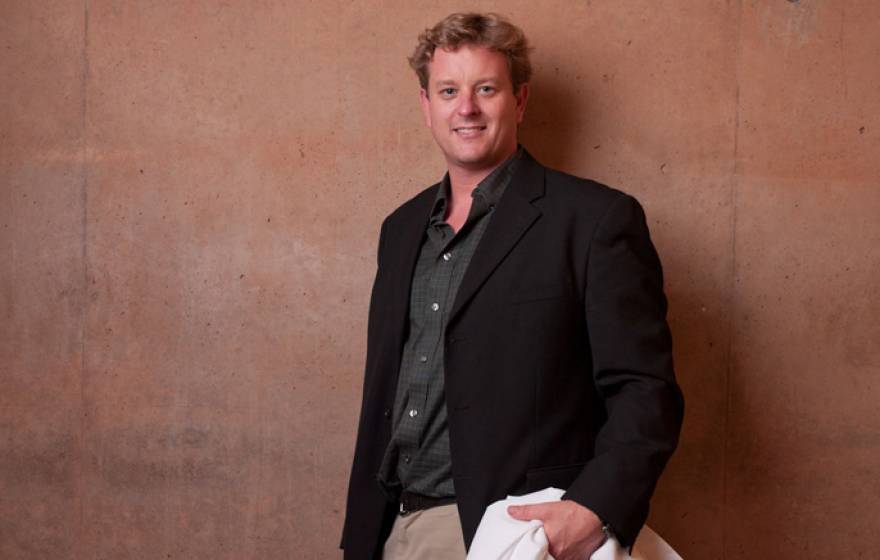
UC researchers awarded $15M in stem cell grants
Ten recipients from six UC campuses receive awards to pursue new technologies intended to accelerate advances moving stem cell therapies out of the lab and into the clinic.
NPR |
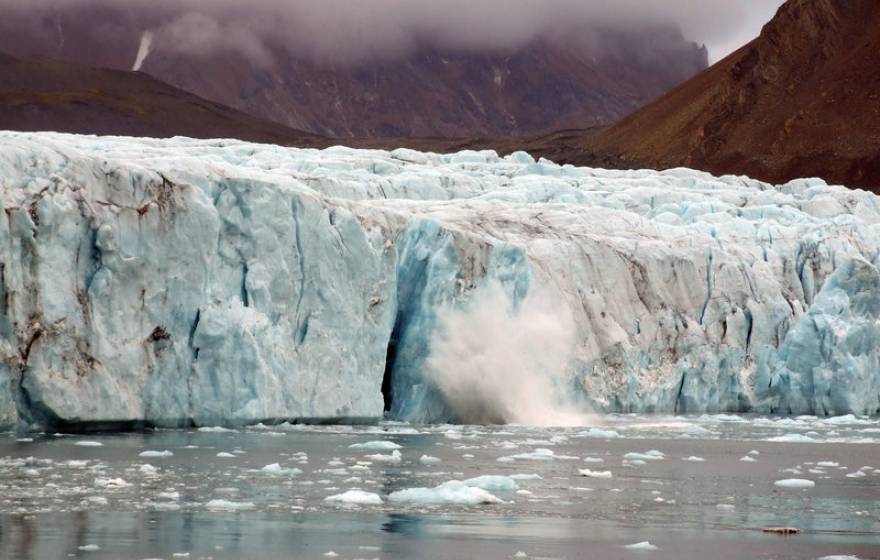
The icebergs are talking. We just have to listen
A Scripps Institution of Oceanography researcher is one of the authors of a new study that interprets the acoustics of glacial melting.
UC Santa Cruz |
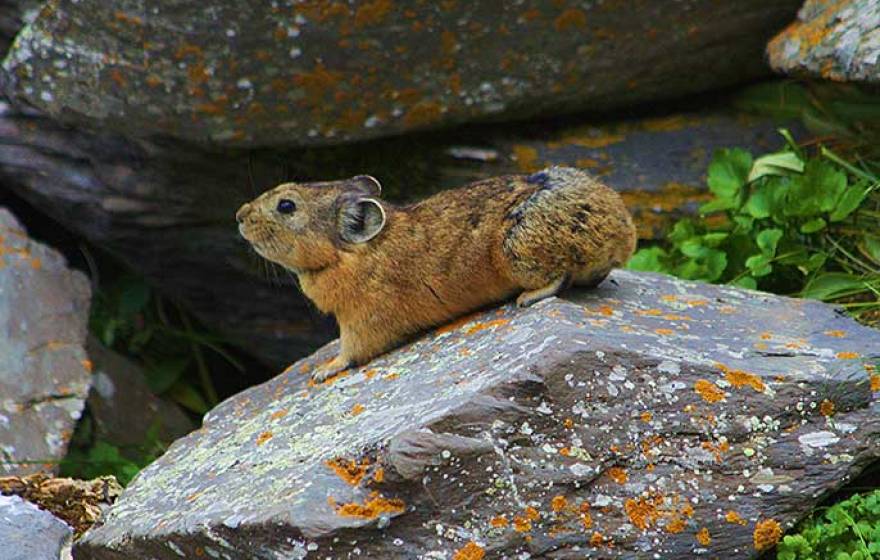
Shrinking range of pikas in California mountains linked to climate change
Study documents disappearance of pikas from low-elevation sites and shows how ongoing global warming will further restrict their range in the future.

UCLA |
The heat's rising in cities
Geographer warns that for the past four decades, global warming — in the guise of heat waves — has been amplified in cities.
UC Davis |
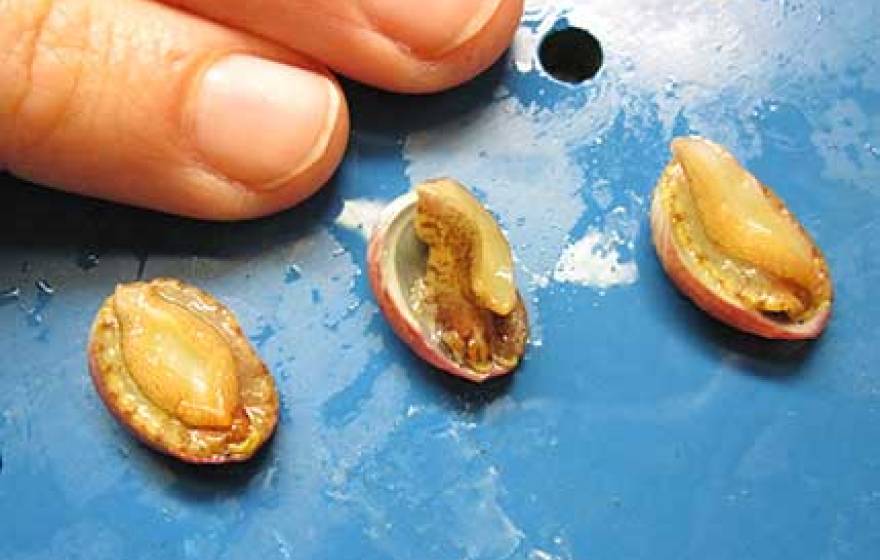
Spawning success for endangered white abalone
Decades ago, abalone was a common seafood menu item, but overfishing wiped it from restaurants and the ocean. In 2012, the abalone breeding program at UC Davis' Bodega Marine Laboratory had just 70 abalone. Since then, their shellfish number in the thousands.
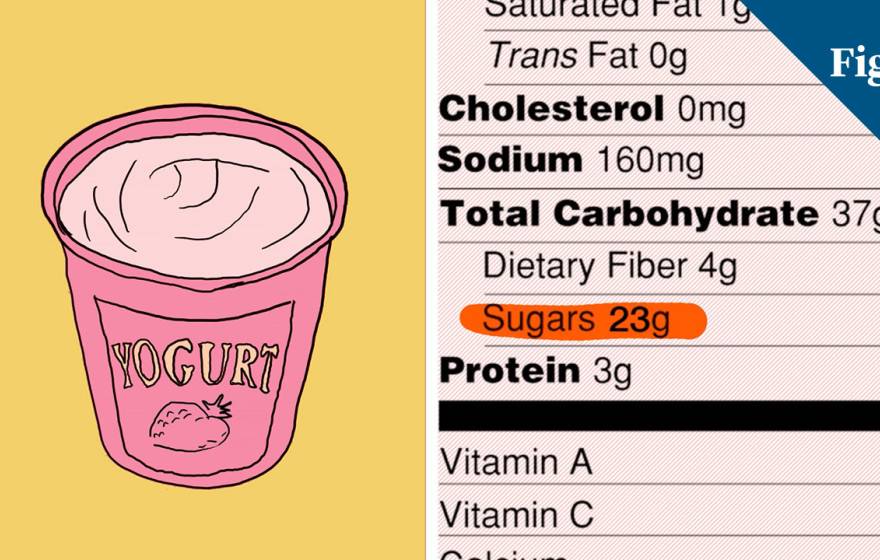
Fig. 1 by University of California |
How much sugar are you really eating?
In the near future, the Nutrition Facts label on the back of packaged foods will have a new look and more information. UC Davis' Kimber Stanhope explains how this will reveal the amount of sugar that is added to our foods.
UC San Diego |
Cancer cell mapping initiative launches
Researchers from UC San Diego and UC San Francisco join forces to determine how all of the components of a cancer cell interact.