How getting to know a mosquito’s nose helped researchers sniff out better bug sprays.

UC Newsroom |
Making the ultimate mosquito repellent

UC Davis |
UC Davis alum Charles Rice wins Nobel Prize
Now professor at The Rockefeller University, he shared the 2020 Nobel Prize in physiology or medicine for the discovery of the hepatitis C virus.

UC Newsroom |
The science is in: Masks save lives and can help us safely reopen our communities
Why you — and just as importantly, your friends — should wear masks.
UC San Francisco |
Why experts are urging social distancing to combat coronavirus outbreak
The virus is already in our communities, so the focus now is to reduce the damage from the disease.

UC Newsroom |
How two matchmakers won a Nobel Prize
Long before dating sites, a pair of economists hit upon a formula with applications far beyond romance.

UC Riverside |
America’s most widely consumed cooking oil causes genetic changes in the brain
Soybean oil is linked to metabolic and neurological changes in mice in new research.
UC Santa Barbara |
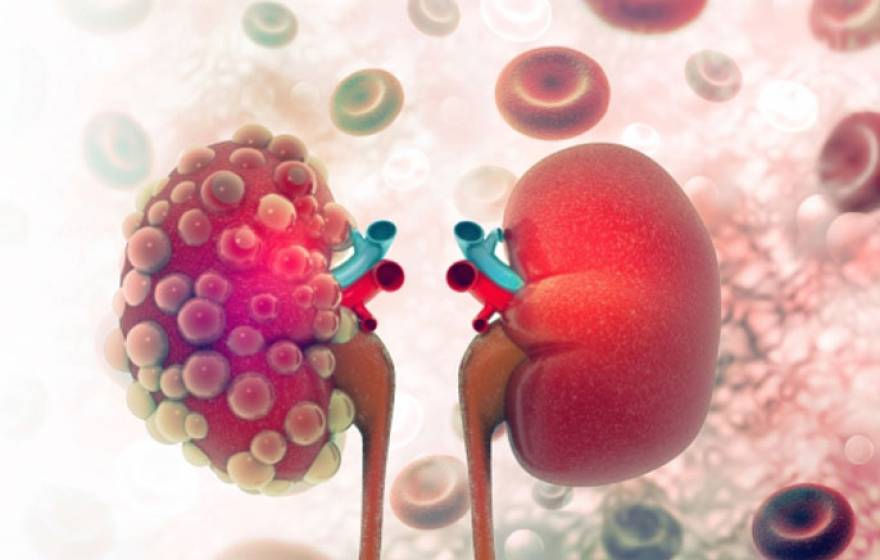
Reversing polycystic kidney disease
The inherited disorder has long been thought to be irreversible, but changes to diet could provide hope.

UCSF |
Like to wake up really, really early? You're not quite one in a million — but you are 1 in 300
A genetic trait may be behind those who thrive on very-early-to-bed, very-early-to-rise lifestyles.

UC Irvine |
How cilantro works as a secret weapon against seizures
Cilantro has been used as food and medicine for 8,000 years. Now, scientists know how it works to curb epileptic seizures.

UC San Diego |
Why are humans the only species prone to heart attacks?
Gene loss 2 to 3 million years ago may explain why coronary events are common in humans but rare in other animals.

UCLA |
Noninvasive test improves detection of aggressive prostate cancer
50 percent of treatments could have been avoided, researchers find.

UCSF |
Artificial intelligence can detect Alzheimer’s disease in brain scans 6 years before a diagnosis
A machine-learning algorithm diagnosed early-stage Alzheimer’s disease using a common PET scan.