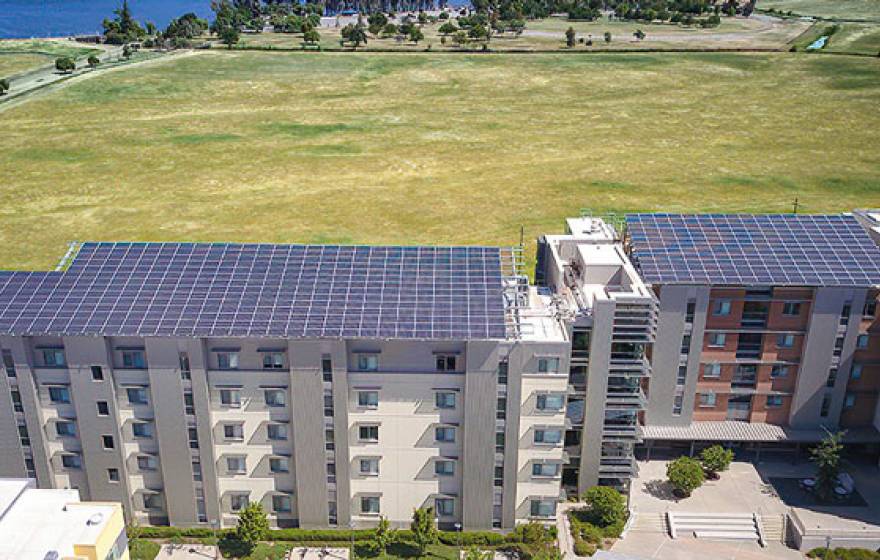
A landmark accomplishment for the campus, two years ahead of its goal.
UC Newsroom |
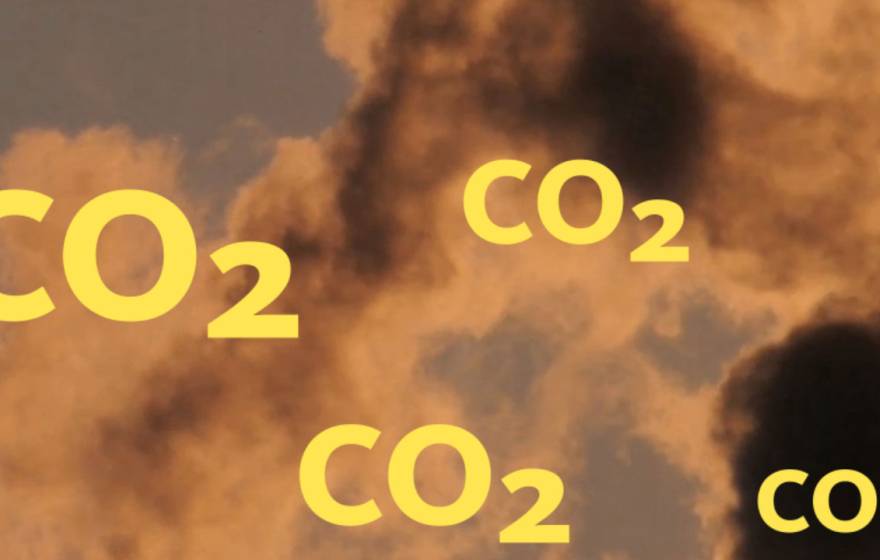
How we can recycle CO2 to make eco-friendly concrete
UCLA researchers take aim at a surprisingly large source of greenhouse gas emissions: concrete.
UC Newsroom |
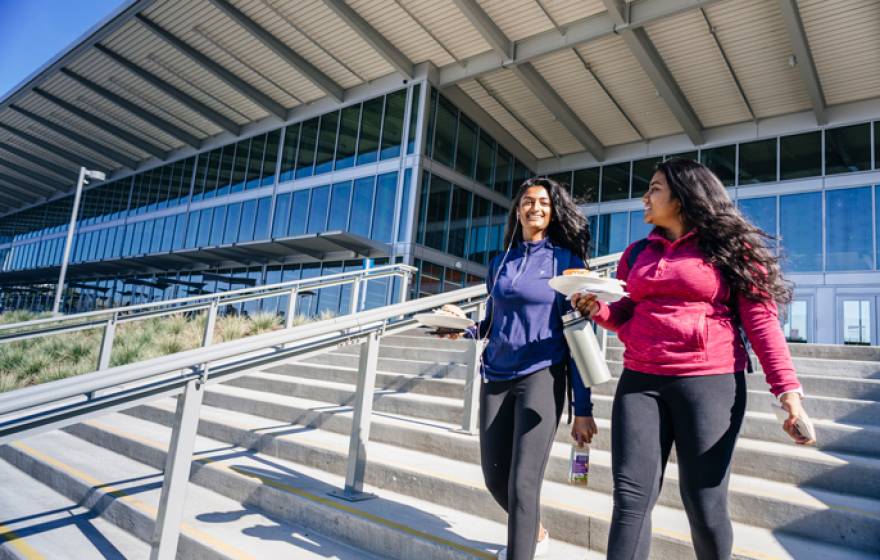
UC earns Green Power Leadership Award from EPA
The University of California received a 2021 Green Power Leadership Award today for accelerating the transition to clean energy.
UC Davis |
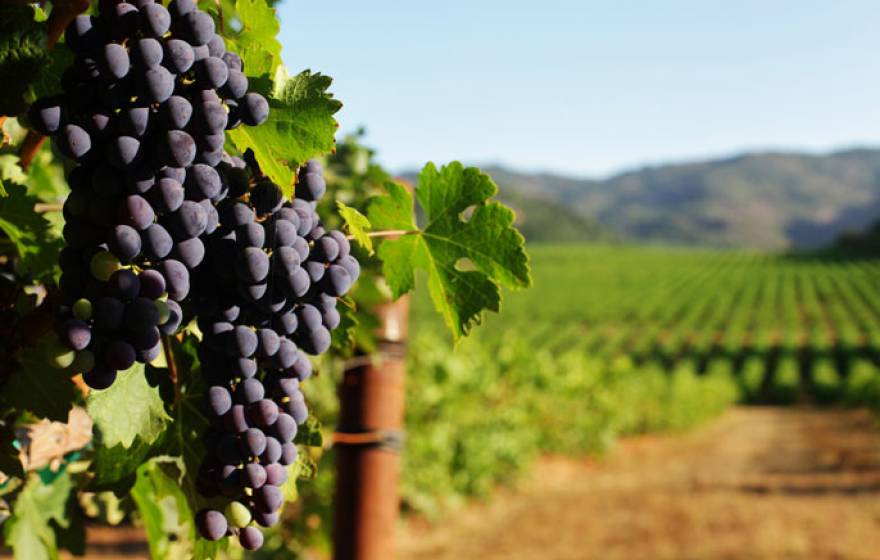
Could wildfires ruin our wine?
Researchers are racing to find ways to help California's iconic wine industry adapt to a changing climate, including drought and wildfire.
UC Santa Cruz |
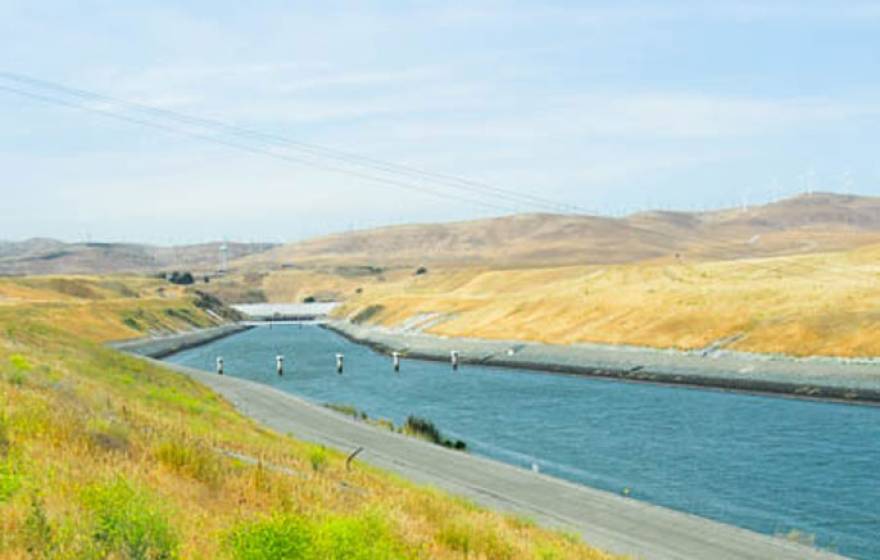
Could California put solar panels on top of canals?
Scientists at UC Merced and UC Santa Cruz are exploring a potential project to combine renewable energy with water conservation.
UC Newsroom |
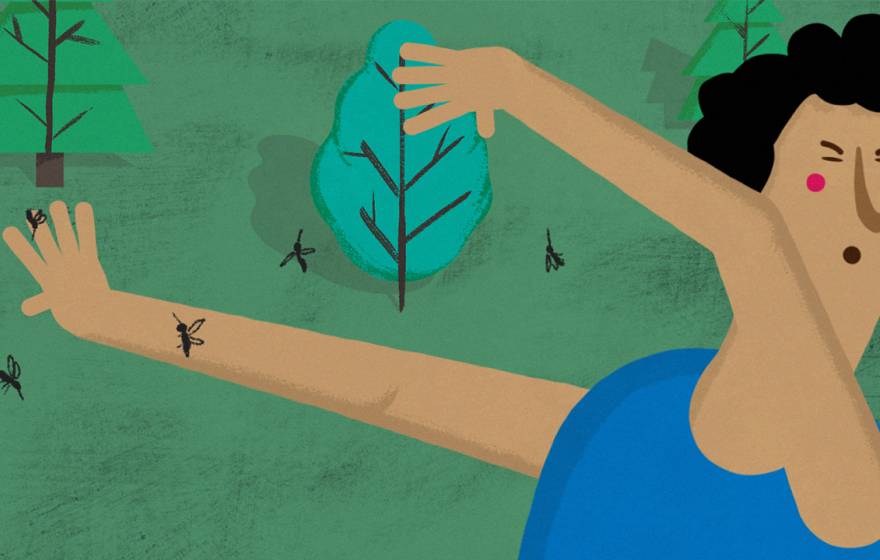
Making the ultimate mosquito repellent
How getting to know a mosquito’s nose helped researchers sniff out better bug sprays.
UC Newsroom |
UC to ditch single-use plastics
The University of California is taking a stand against the throwaway culture that is choking our oceans and landfills with single-use plastics.
UC Natural Reserve System |
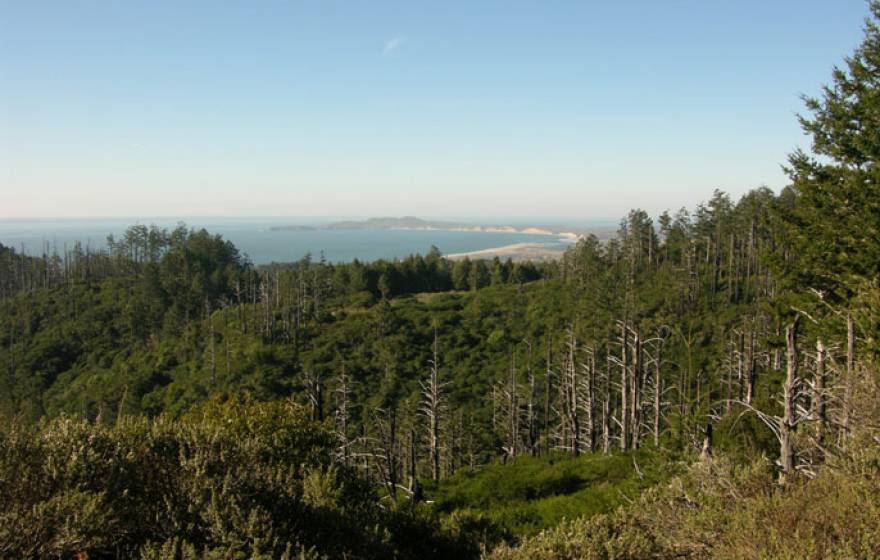
UC reserve system grows to include Point Reyes, Mount Lassen
The new locations will provide opportunities for scientists and students as part of the world's largest university-administered reserve network.
UC Newsroom |
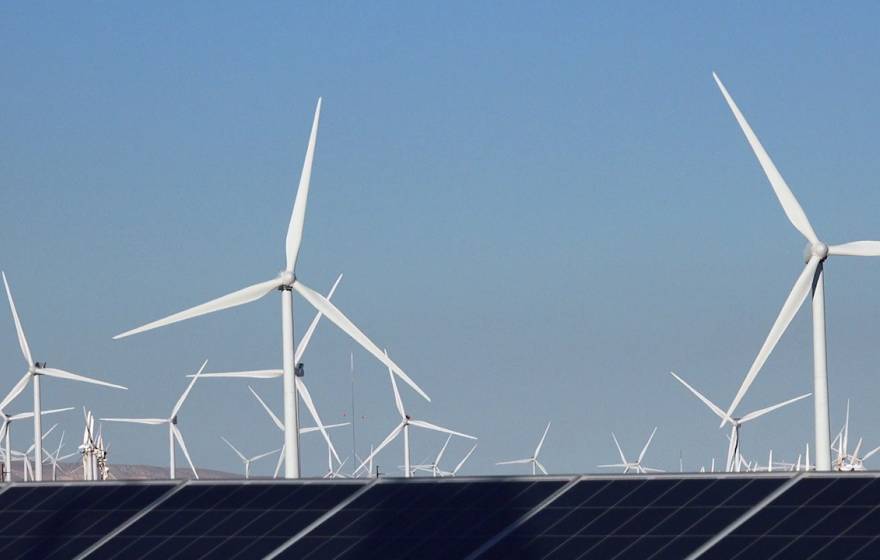
UC makes bold commitment to 100 percent clean electricity
The university pledges to transition to clean energy by 2025.
UC Santa Barbara |
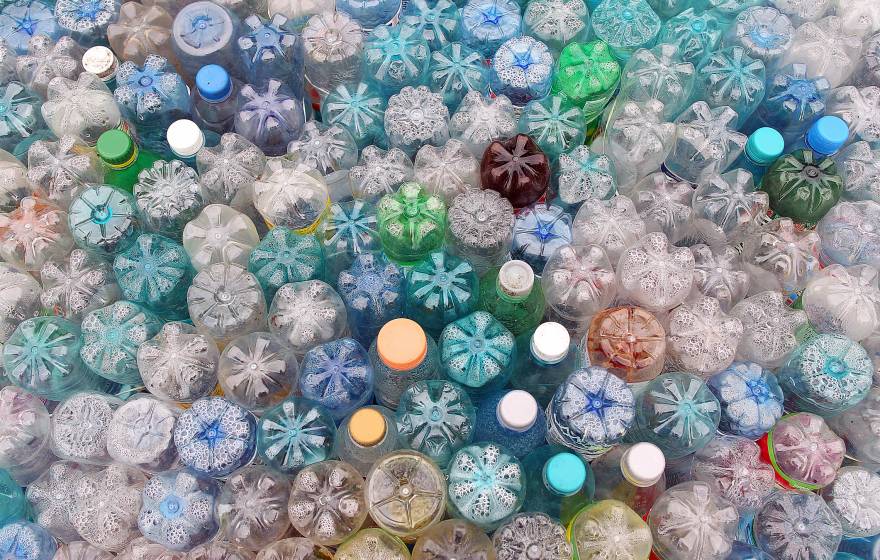
How do we break our addiction to plastic?
More than 8.3 billion metric tons (9.1 billion tons). That’s the amount of plastic humans have created since the large-scale production of synthetic materials began in the early 1950s. It’s enough to cover the entire country of Argentina, and most of the material now resides in landfills or in the natural environment.
UC Newsroom |
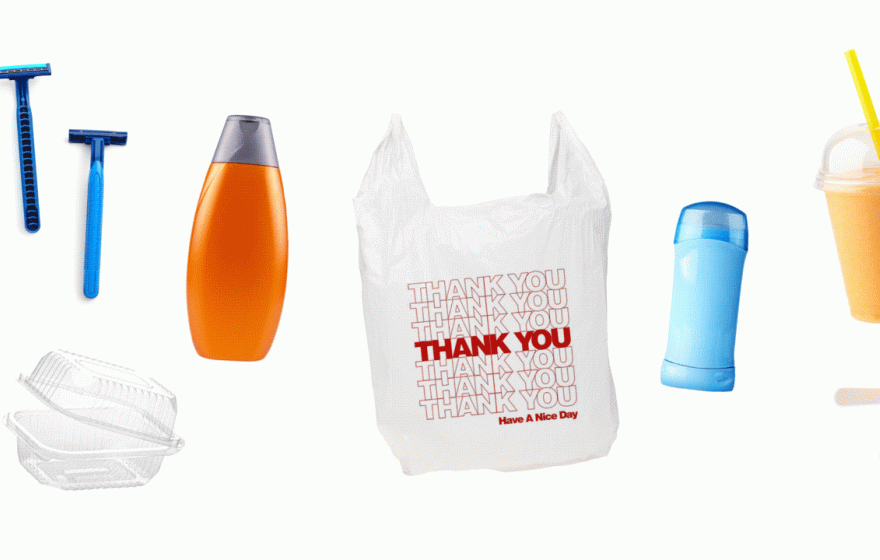
Is it really possible to live a zero-waste life?
Picture all of the trash you’ve thrown away this week. How much do you think you could reduce that amount if you really tried? By half?
UC Santa Barbara |
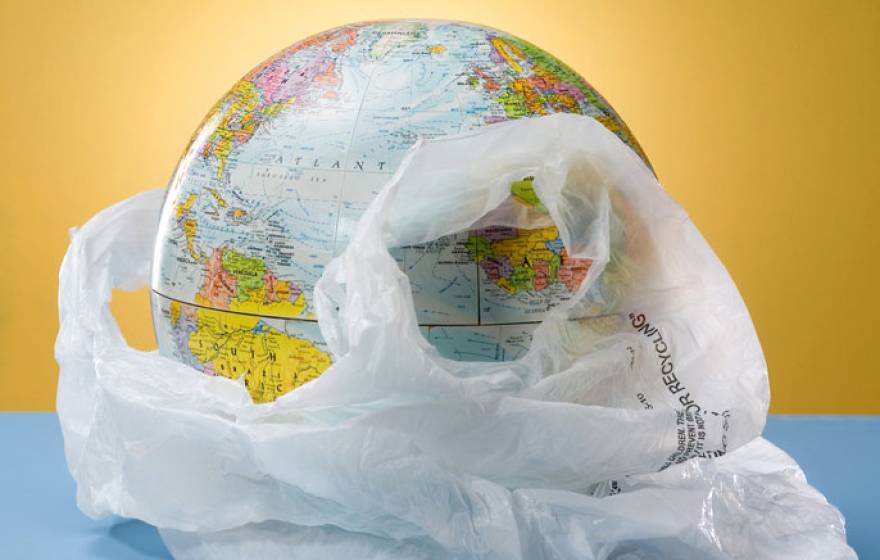
8.3 billion metric tons of plastic ... and counting
How did we create more tons of plastic than there are people on Earth?