
During any other year, these groundbreaking advances would have been big news. Here’s some of what you may have missed while you were busy washing your hands.
UC Newsroom |
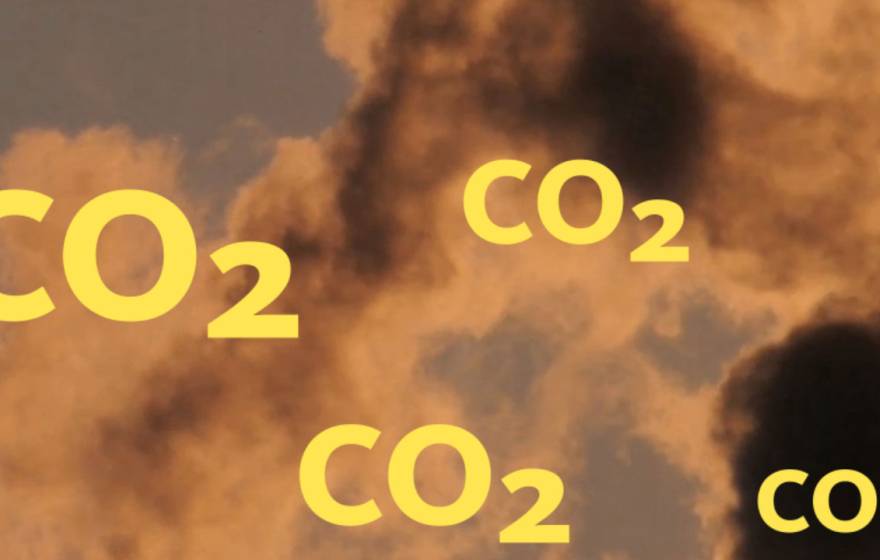
How we can recycle CO2 to make eco-friendly concrete
UCLA researchers take aim at a surprisingly large source of greenhouse gas emissions: concrete.

UC Newsroom |
The day California wine beat France
How two blind taste tests stunned the experts and changed the way the world drinks (and thinks about) wine.
UC Newsroom |
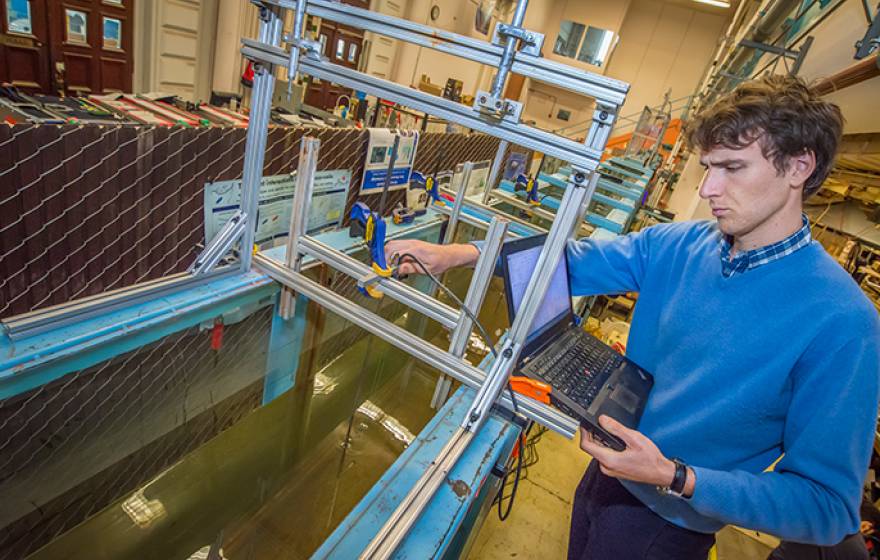
UC rising stars make Forbes 30 Under 30 list
Forty with ties to the University of California recognized by the magazine as young leaders in their fields.
UCSF |
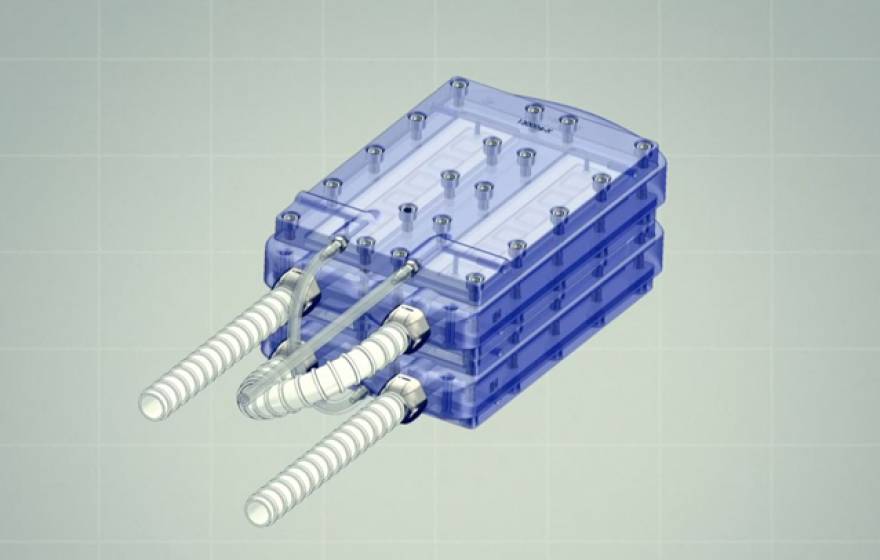
The Kidney Project successfully tests a prototype bioartificial kidney
Taking another big step toward becoming reality, Shuvo Roy's project is awarded KidneyX’s Artificial Kidney Prize.
UC Riverside |
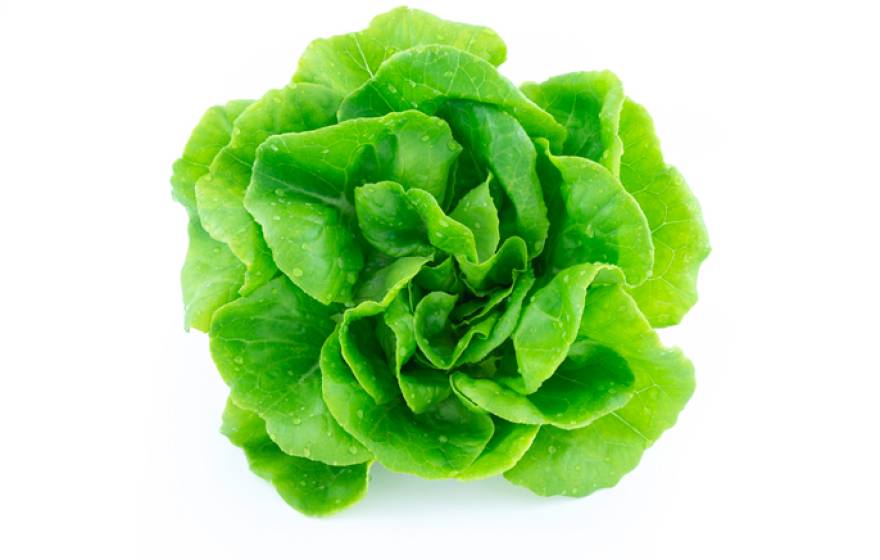
Grow and eat your own vaccines?
A new project will study whether edible plants like lettuce into mRNA vaccine factories.
UC Merced |
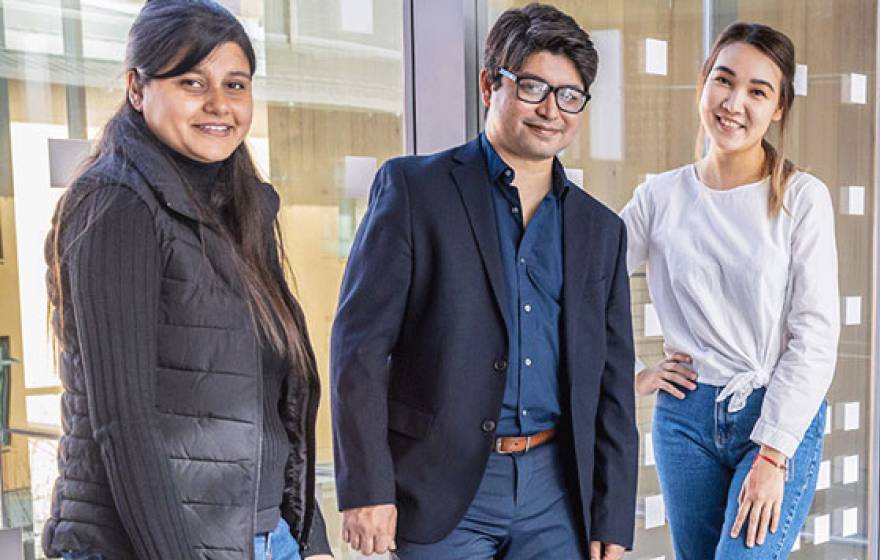
Lip-reading software helps users of all abilities to send secure messages
LipType lets people of all abilities send touch-free texts or emails without ever speaking aloud.
UC Newsroom |
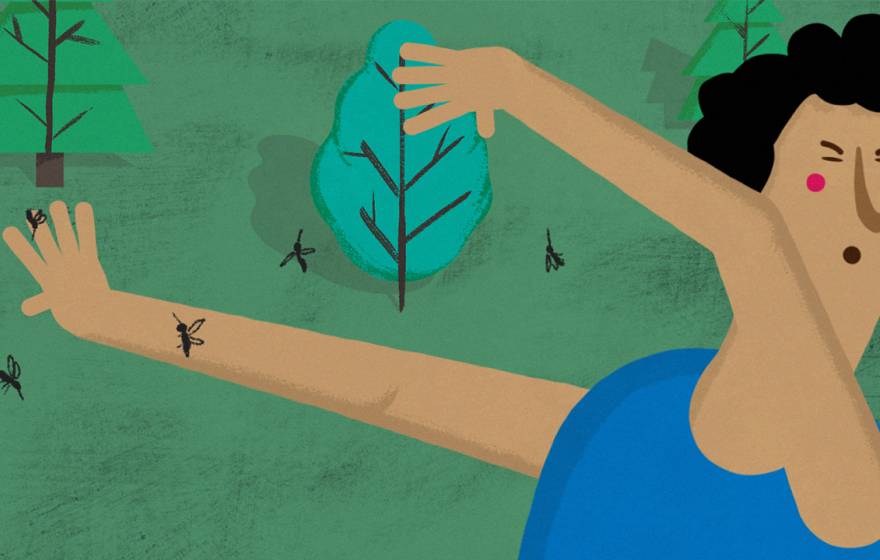
Making the ultimate mosquito repellent
How getting to know a mosquito’s nose helped researchers sniff out better bug sprays.

UC Newsroom |
UC convenes Artificial Intelligence Working Group to harness innovative technology, establish guardrails for equitable and ethical use
The group will harness the intellectual horsepower of the university to realize the benefits of AI while establishing necessary safeguards.
UC Irvine |
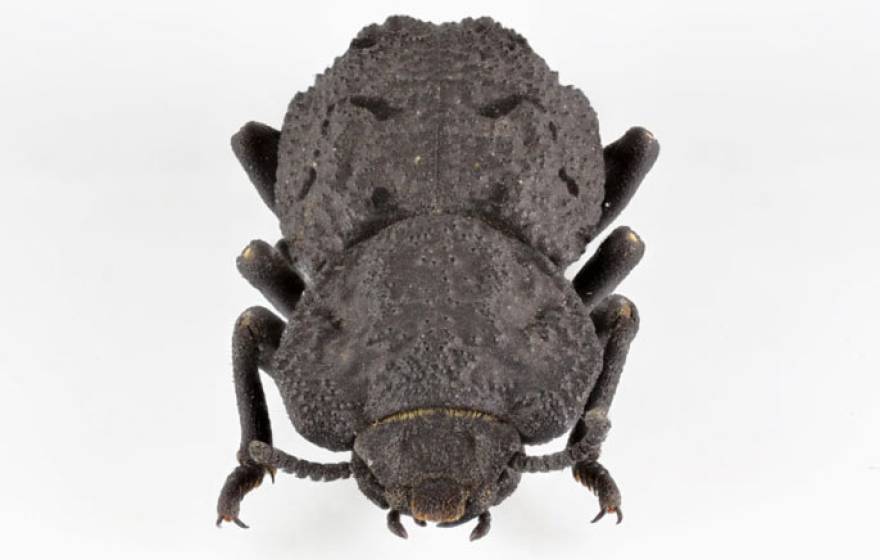
What makes an insect indestructible?
Materials scientists discover the design secrets of the ironclad beetle, which can even survive getting run over by a car.
UC San Diego |
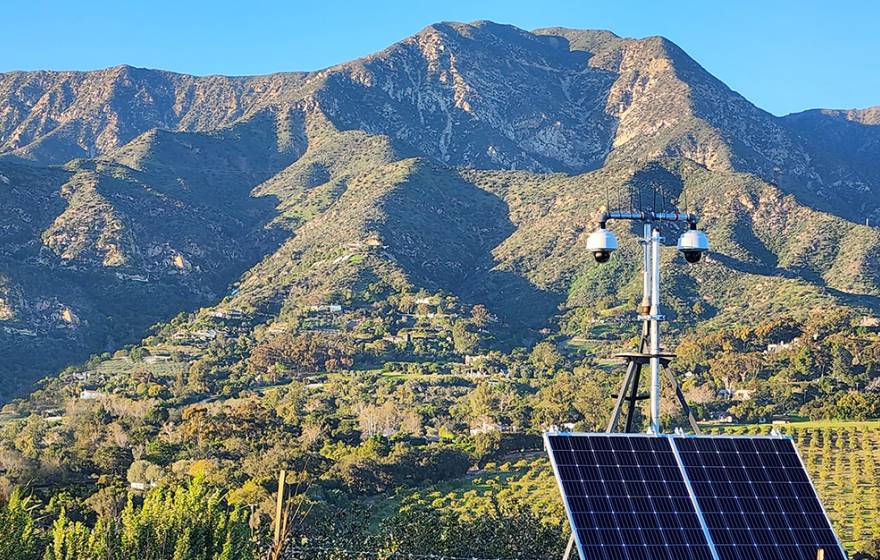
UC's race to stay ahead of wildfires
UC San Diego matches increased fire danger with improved monitoring capability.
UC Newsroom |
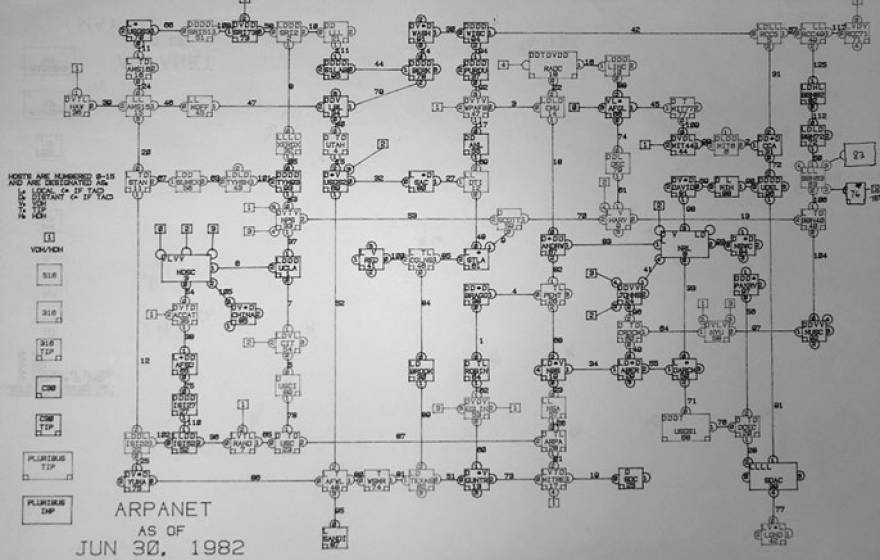
Lo and behold: The internet
On this day 50 years ago, the internet was born.